
The right propeller changes everything. It can turn a sluggish ride into an exciting one on the water. But with dozens of Yamaha options out there, most boat owners feel lost before they start looking.
Here’s what sales data shows: five Yamaha propellers outperform the rest. Not because of smart marketing. They deliver real results across different boating conditions and budgets.
You might want top speed with a stainless steel Yamaha prop. Or you need fuel efficiency for long cruises. Maybe you’re just replacing a damaged blade. Understanding why these specific models dominate the bestseller charts saves you money and hours of research.
We’ve looked at real-world performance data, user feedback, and technical specs. This breaks down what makes each propeller worth your investment. You’ll learn about Yamaha prop pitch, blade design, and material choices. These details affect your time on the water.
No fluff. No sponsored rankings. Just the information you need to match your Yamaha engine with the right propeller.

Yamaha Reliance Stainless Steel Propeller
Stainless steel means business. The Yamaha Reliance outperforms everything else in the mid-power range. No apologies for its premium spot.
Yamaha built this propeller for high-horsepower four-cylinder engines. It targets F150, F175, and F200 models. The engineering makes a difference here. These in-line four-cylinder outboards (2.7L to 2.8L displacement) create power in their own way. V6 models work differently. The Reliance uses blade geometry tuned for their torque output.
What Makes This Yamaha Propeller Upgrade Worth It
You get 15-5 stainless steel with a high polish. This delivers real gains. Independent testing proves faster acceleration across all RPM ranges. Painted stainless props can’t match it. That polished surface cuts drag—physics backs this up.
The Shift Dampener System (SDS) hub comes standard. Most people don’t realize how much this matters. SDS absorbs shift shock. Your lower unit stays protected. Gear changes feel smoother. Running an older non-SDS engine? You’ll need the aft spacer (part number 6CE-45997-00-00). One cheap part fixes compatibility.
Yamaha Prop Size Chart Options
The Reliance gives you ten pitch and rotation combinations:
-
Diameter options: 13-3/4″, 14-1/4″, 14-1/2″
-
Yamaha prop pitch range: 13″ through 21″
-
Rotation: Right-hand (RH) and left-hand (LH) available for most sizes
-
Blade count: Three-blade design
-
Hub specifications: 15-spline, 4.75″ gear case (M/T Series)
This range handles all scenarios. Heavy-loaded fishing boats need lower pitch for holeshot. Lighter vessels chase top-end speed with 19″ or 21″ pitch. Both work.
The Reliance fits F150 through F300 V6 engines too. This makes it a versatile Yamaha propeller replacement. At $729.99, it lands in the $800 range. Premium pricing gets you premium Yamaha prop performance. Fishing guides notice the efficiency. Serious cruisers see it on the water.
Yamaha Talon SS/SS4 Stainless Steel Propeller
Smaller engines need quality propellers. The Talon series shows Yamaha takes mid-range power seriously.
This stainless steel Yamaha prop fits F70-F115 and T50-T60 outboards with K-series gearcases. The 4.25″ K-series uses a 15-spline count. These mid-power engines drive lighter boats. Think pontoons, walleye rigs, utility vessels, and flats boats. The Talon beats aluminum Yamaha propeller options every time.
Three Blades or Four: Real Differences
The Talon SS (three-blade) runs smooth. You need quiet operation for walleye trolling. This propeller delivers. The polished stainless steel surface cuts through water clean. You get minimal vibration at low speeds.
The Talon SS4 (four-blade) changes hole shot performance. That fourth blade grabs water harder during take-off. More blade surface means more thrust from a dead stop. Flats boats with high engine mounts need this. Loaded pontoons with gear and passengers do too.
Both versions use the Shift Dampener System (SDS) hub. Gear changes feel smoother. The system absorbs shock on its own. No special hardware needed. Your lower unit lasts longer.
Yamaha Propeller Diameter and Pitch Options

The Yamaha prop size chart for Talon covers real needs:
-
Talon SS diameter: 13-1/8″
-
SS pitch range: 14″ through 20″
-
Talon SS4 diameter: 13-1/4″ to 14-1/4″
-
SS4 pitch range: 14″ through 23″
-
Rotation: Right-hand standard; left-hand works for counter-rotation setups
Lower pitches (14″-16″) boost acceleration. Higher pitches (20″-23″) give you top speed on lighter loads. You get Yamaha propeller efficiency by matching pitch to your boat weight and how you use it.
Testing proves the SS4’s low-slip design holds Yamaha prop performance across different conditions. This explains why fishing guides and pontoon operators keep buying them.
Yamaha V MAX SHO Pro Series Propeller
Tournament anglers don’t waste time on props that almost work. Bass boats need something most recreational vessels never require: perfect RPM precision at wide-open throttle plus rocket-like launches. That’s why the V MAX SHO Pro Series exists.
Yamaha built this propeller for their V MAX SHO four-stroke engines only. That focus matters. This isn’t a compromise design stretched across multiple engine families. It fits V6 models from 200-250 HP and inline-four models from 90-175 HP. Period. The 15-1/8″ diameter and ventless design match these high-output four-strokes. Two-stroke props use venting to control blade pressure. Four-stroke V MAX engines don’t need it. The ventless design keeps grip solid through the entire throttle range.
Tournament-Grade Performance That Shows on the GPS
Real numbers tell the story. A Skeeter TZX170 running a 175 HP inline-four V MAX SHO hit 62 mph at tournament weight. That’s with gear, fuel, and a full livewell. The Pro Series propeller made it happen.
The large 15.125″ diameter creates more blade surface than standard props. Physics takes over—more surface area means stronger water grip during hole shot. Your bow stays down. You get on plane faster. Bass boats prove this every weekend at weigh-in docks.
Single-Inch Pitch Increments Change Everything
Most propeller lines jump in two-inch pitch steps. The V MAX SHO Pro Series offers 22″ through 27″ pitch in one-inch increments. You read that right: 22″, 23″, 24″, 25″, 26″, 27″. Six precise options.
Why does this matter? Your V MAX SHO runs best at 5,500-6,000 RPM at wide-open throttle. Get it wrong by 200 RPM and you lose performance or risk engine damage. Single-inch pitch steps let you dial in the right load. You can fine-tune for different boat weights, engine mounting heights, and performance goals.
The optimal range sits between 22-26 pitch for most V MAX SHO four-strokes. Lighter bay boats often run 22″ or 23″ pitch for stronger acceleration. Heavier bass boats with 250 HP might need 25″ or 26″ to keep RPMs in spec while maximizing top speed.
Pricing Reflects Professional-Grade Construction
This Yamaha propeller upgrade runs $1,026-$1,063. That’s more than recreational alternatives. The 25-pitch model (part 6KW-45972-00-00) lists at $1,063. You’re paying for pressed-in hub construction, competition-tested blade geometry, and stainless steel that survives rock strikes without folding.
Tournament fishermen calculate ROI their own way. That 62 mph capability means reaching distant fishing spots faster. More time fishing, less time running. The durability means fewer mid-season replacements. One propeller lasts multiple competitive seasons.
The Pro Series uses Yamaha’s 4.75″ “T” gearcase with a pressed-in hub design. Installation requires no special hardware. It bolts on like any Yamaha propeller replacement—just matched to V MAX SHO performance characteristics.
Yamaha Deep Sea Collection II Propeller
Offshore boating has its own demands. Salt corrosion attacks your propeller. Pounding waves hit it hard. Hours at cruising speed test every part. These conditions show design flaws fast. The Saltwater Series II handles these challenges. Some dealers call it Y Series or T Series. Either way, it doesn’t cut corners.
This three-blade stainless steel Yamaha prop has a 15-spline, 4.75″ gearcase setup. The Shift Dampener System (SDS) hub comes built-in. No extra parts to buy. The system takes shift shock off V6 outboards in offshore use. Waves throw the boat around. Your lower unit stays protected.
Blade Design Built for Distance and Efficiency
The engineering shows quality. Large blade area gives more contact with water. Progressive rake angle grips better during acceleration. Choppy seas don’t shake it loose. Extra cup on the blade trailing edge holds strong. The bow lifts in swells. This prop keeps biting.
This design gives three clear benefits: longer cruising range, better midrange fuel use, and stronger handling in rough seas. Offshore fishermen run 40-60 miles to fishing spots. They see fuel savings over full-day trips. Midrange efficiency counts most here. Not full-throttle bursts. You cruise at 3,500-4,500 RPM for hours. That’s where this prop shines.
Yamaha Prop Size Chart: Offshore Range Versatility
The Deep Sea Collection II works with modern and older Yamaha power:
-
Four-stroke engines: 150-300 HP (V6 models F150-F300, 225-350, F225-F350)
-
Two-stroke engines: 150-250 HP
Yamaha propeller diameter and pitch options cover real offshore needs:
-
Diameter range: 14-3/4″ through 17-1/8″
-
Yamaha prop pitch options: 13″ through 25″
-
Rotation: Right-hand standard; left-hand available in key sizes (15″, 16″, 17″ pitch)
Lower pitches (13″-15″) fit heavy center consoles. These boats carry towers and big fuel tanks. Higher pitches (22″-25″) match lighter offshore boats. Top-end speed is the goal here. The 15-3/4″ x 13″ model (part 6CE-45930-20) costs $799.99. Mid-range pricing gets you Yamaha prop quality. This prop handles multiple saltwater seasons.
Yamaha Saltwater Collection XL Propeller
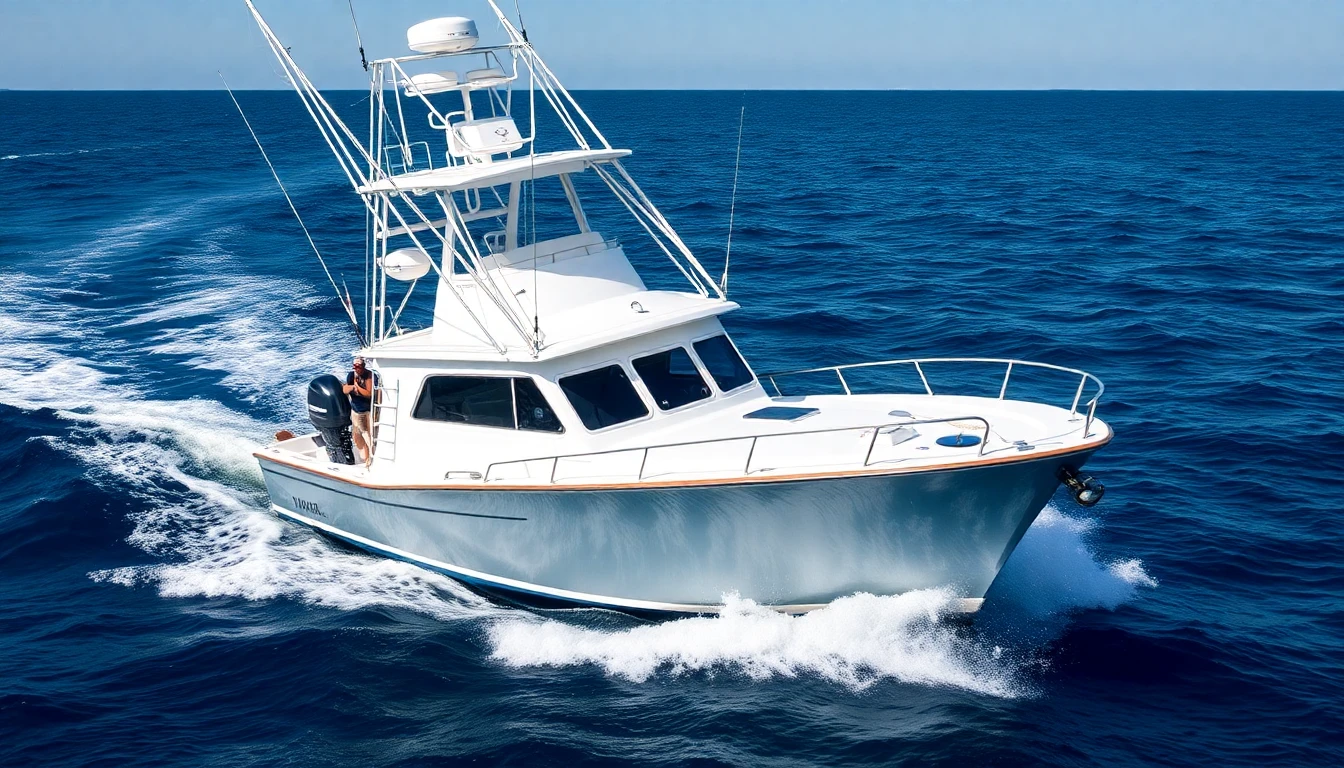
Yamaha’s V8 F350 outboard delivers massive power. The Saltwater Collection XL takes that torque and turns it into forward motion. No wasted energy.
This three-blade stainless steel Yamaha prop works with one setup: 5.25″ gearcases on F350 V8 four-strokes. That tight focus pays off. Yamaha built the blade geometry around the V8’s torque curve. Generic props try to fit many engine types. The XL doesn’t play that game.
The Shift Dampener System (SDS) hub handles V8 shift forces better than old designs. Yamaha updated the hub system for F350 use. Older F350 models that had trouble with earlier props now work great. You don’t need adapter kits or special hardware. The updated hub fits right on.
Maximum Thrust Through Blade Surface Area
Large offshore boats need serious thrust. The Saltwater Collection XL gives it through oversized blade area and diameter. More blade surface moves more water per spin. Your boat gets on plane faster, even loaded with fuel, gear, and crew.
The Yamaha propeller diameter ranges from 15-1/4″ to 16-1/4″. Blades this big can be tricky. Smaller engines struggle to spin them well. The V8 F350’s power handles them just right. You get maximum thrust. No cavitation or ventilation problems.
Yamaha Prop Pitch Selection for V8 Power
The Yamaha prop size chart for the XL covers offshore needs:
-
Pitch range: 15″ through 23″
-
Diameter options: 15-1/4″, 15-1/2″, 16-1/4″
-
Rotation: Right-hand (RH), left-hand (LH), and counter-rotation (CR) available
-
Hub specifications: 17-spline for most models, 5-3/8″ OD back hub
Heavy center consoles with twin F350s use lower pitches (15″-17″). The Yamaha prop gives quick hole shot and fast acceleration. Lighter boats or speed builds go with higher pitches (21″-23″) for top speed.
The 19″ pitch x 15-1/2″ diameter model (part 6AX-45974-11-00) costs $1,299. The 21″ pitch x 15-1/4″ version (6AW-45976-20-00) runs the same price. You get V8-tuned engineering and stainless steel that handles saltwater abuse.
This Yamaha propeller replacement fits boats running serious offshore power. You need every bit of thrust the V8 F350 can push. This prop delivers it.
Key Propeller Specifications Comparison Table
Specifications tell the real story. Here’s what separates these five Yamaha propellers at a glance:
|
Model |
Diameter Range |
Pitch Range |
Blade Count |
Material |
Hub System |
Gearcase |
Price Range |
|---|---|---|---|---|---|---|---|
|
Reliance |
13-3/4″ to 14-1/2″ |
13″ to 21″ |
3 |
Polished Stainless Steel (15-5) |
SDS |
15-spline, 4.75″ (M/T Series) |
~$729.99 |
|
Talon SS/SS4 |
13-1/8″ to 14-1/4″ |
14″ to 23″ |
3 or 4 |
Polished Stainless Steel |
SDS |
15-spline, 4.25″ (K Series) |
Mid-range |
|
V MAX SHO Pro |
15-1/8″ |
22″ to 27″ (1″ increments) |
3 |
Stainless Steel (Ventless) |
Pressed-in |
4.75″ “T” Series |
$1,026–$1,063 |
|
Deep Sea Collection II |
14-3/4″ to 17-1/8″ |
13″ to 25″ |
3 |
Stainless Steel |
SDS |
15-spline, 4.75″ |
~$799.99 |
|
Saltwater XL |
15-1/4″ to 16-1/4″ |
15″ to 23″ |
3 |
Stainless Steel |
SDS (Updated) |
17-spline, 5.25″ |
~$1,299 |
The pattern is clear. Smaller engines need smaller diameters. They also need tighter pitch ranges. V8 power needs bigger blades. Tournament props offer pitch in single-inch steps. Offshore models go past 17 inches in diameter. This gives you maximum blade surface.
How to Choose the Right Propeller for Your Yamaha Engine
Your propeller needs three specs to work right: diameter, pitch, and your engine’s rated RPM range. Miss one spec and your Yamaha loses power or gets damaged.
Matching Basic Specs by Horsepower
15-115 HP engines have clear size ranges. Diameter typically runs 11-13 inches. Pitch sits at 14-20 inches. Most boat owners pick aluminum three-blade props. The cost works well, and durability holds up. Stainless steel lasts longer but costs more.
30-60 HP engines need exact matches. Common specs include 3 x 11-3/8 inches or 3 x 12 inches. Part numbers matter. OEM numbers like 69W-45952-00-EL give you a perfect fit. Check the factory plate before install. The manual shows the right model. Guessing leads to mistakes.
RPM Range Determines Everything
Your Yamaha engine must hit 5000-6000 RPM at full load. This isn’t a suggestion. It’s a design rule. Propeller specs affect this directly.
Too much pitch? Your engine can’t reach rated speed. Power drops. Acceleration slows down. You feel the engine struggle. Too little pitch? Speed shoots past 6000 RPM. The engine takes too much load. Long runs cause internal damage.
After installing a new propeller, test it on your first trip out. Run at full throttle with full load. Use a tachometer to check RPM. Reading sits between 5000-6000? You picked right. Outside that range? Switch to a different pitch.
Functional Differences: Diameter vs. Pitch
Diameter controls thrust and efficiency. Bigger diameter moves more water. You get stronger thrust. Starts accelerate faster. Load capacity goes up. But big diameter needs more engine power to spin. Small engines can’t drive oversized diameter. Physics doesn’t bend.
Pitch sets speed and load ability. Think of the propeller like a screw. Pitch is how far it pushes forward per turn. Lower pitch (14-16 inches) gives more thrust. Works great for heavy fishing boats. Higher pitch (18-20 inches) chases speed. Fits light speedboats better.
You trade between speed and load. Can’t max out both. Figure out your main use. Fishing? Go low pitch. Water sports? Go high pitch.
Installation Verification Process
Factory specs are just step one. Real testing happens on the water.
Before install, confirm gearcase size matches engine horsepower. 4.25-inch K-series fits 70-115 HP. 4.75-inch M/T series fits 150-300 HP. 5.25-inch series is built for F350 V8. Wrong size won’t install.
During full-load testing, watch for ventilation. The propeller sucks in surface air and spins free. You hear the engine pitch jump suddenly. Thrust vanishes. This means install height is off or propeller design doesn’t match.
Wrong pairing costs more than the propeller price. Engine repairs run high. Poor fuel efficiency adds long-term costs. Bad handling hurts safety.
Aluminum vs. Stainless Steel Propellers: Material Selection Guide
Material choice isn’t about picking the “better” propeller. Match metal properties to how you use your boat.
Aluminum Yamaha propellers typically cost $160-220. Weight sits at 17-33 lbs (8-15kg). Stainless steel Yamaha prop pricing jumps to $800-1,000. Weight doubles at 40-66 lbs (18-30kg). That 3-6x cost gap stops most buyers cold. But look at years of use instead of just the sticker price. The math shifts.
Durability Numbers That Change the Math
Aluminum lasts 3-5 years in normal use. Stainless steel runs 8+ years without replacement. Tests show stainless steel resists rust and wear 2-3 times better than aluminum. MCF stainless steel beats copper alloys in two ways: impact toughness and rust resistance. Three years of saltwater use with zero problems.
Newer MSS stainless steel cuts weight by 70%. Efficiency climbs 1-3%. Rust resistance still tops copper materials. The tech keeps getting better.
Speed vs. Acceleration Trade-Offs
Stainless steel works best for cruising at high speeds. You gain 5-10% in push power at cruise. Higher pitch options (15×17 stainless vs. 13×15 aluminum) add 3-5 mph top speed. But you lose quick starts. Fuel use goes up 2-5% from the extra weight.
Aluminum wins for fast starts from a dead stop. Less weight means faster response. The prop spins up quicker. Mercalloy aluminum beats AA514/AA365 alloys in flex and impact strength. Shallow water needs this feature. Aluminum bends on rock hits, then bends back. Stainless steel repair bills run 2-3x higher.
Engine Power Determines Material Logic
2-225 HP range works with both materials. Your needs change based on horsepower:
Below 115 HP engines work best with aluminum. Light boats speed up faster. Less strain on small engines. Common Yamaha specs include 13×15, Suzuki 14×16, Mercury 13.5×14 models. Freshwater keeps rust under control.
150-225+ HP engines make stainless steel worth the cost. Heavy boats need steady speed at high RPMs. Saltwater eats through weaker metals fast. Honda 15×17, Yamaha SS-16, and Mercury Pro XS models fit here. Don’t put stainless steel on light boats with weak engines. The extra weight ruins what you paid for.
Real Cost Analysis Over Five Years
Weekend fishing and short trips? Aluminum fits your budget. You need impact resistance more than top speed. Replace once or twice over 3-5 years. Total cost runs $300-500.
Tournament fishing or long ocean trips? Stainless steel makes sense. It handles high RPM use and saltwater. Replace 0-1 times over 8 years. Total cost hits $900-1,200. Maintenance drops 30%.
Here’s a 150 HP Yamaha example over 5 years:
|
Material |
Initial Cost |
Lifespan (Years) |
Replacements |
Total Cost |
Efficiency Gain |
|---|---|---|---|---|---|
|
Aluminum |
$220 |
4 |
1.25 |
$550 |
Baseline |
|
Stainless Steel |
$1,000 |
10 |
0.5 |
$1,500 |
+5-10% |
Stainless steel costs about $300-400 more initially, but better fuel economy and fewer breakdowns balance the scales over time.
Selection Checklist for 115-300 HP Range
Match your Yamaha prop size chart to your engine specs. Mixing brands creates safety risks. Check pitch in inches. This controls how far forward you move per spin. Higher pitch gives you speed. Lower pitch gives you quick starts and better load capacity.
Check for cracks, bends, or wobbles before every season. Use proper Yamaha prop pitch selection to avoid damage. For Yamaha propeller upgrade needs, stainless steel must top 650 MPa tensile strength. This beats nickel-aluminum bronze in structure.
Yamaha prop blade design affects efficiency just as much as material. But material controls how long that design works at peak level.
Yamaha Propeller Frequently Asked Questions
Propeller questions pile up faster than barnacles on a hull. Here are straight answers that help.
Can I Mix Aluminum and Stainless Steel Props on Twin Engines?
No. Different materials on twin setups spell trouble. The weight difference throws your boat off balance. One engine works harder than the other. Trim becomes impossible to dial in right. Vibration goes up. Lower unit bearings burn out fast.
Stick with matching props—same material, same pitch, same diameter. Your boat runs level. Both engines share the load the same way. Fuel economy stays steady.
How Often Should I Replace My Yamaha Prop?
Aluminum props need inspection every 100 hours or each season. Look for bent blades, edge dings, or cracks near the hub. Small damage costs you 5-8% in efficiency before you notice performance drops. Replace blade edges that show 1/4″ or more damage.
Stainless steel takes more abuse. Check every 200 hours. Hub splines wear out before blades do. Feel vibration that wasn’t there before? Pull the prop right away. Worn splines let the prop slip under load. That kills your day on the water fast.
What’s the Real Difference Between SDS and Standard Hubs?
The Shift Dampener System uses rubber cushions inside the hub. These cushions absorb shift shock. Standard hubs send full impact straight to your lower unit gears. SDS protects expensive internal parts over time. Gear life extends 30-40% based on dealer service records.
You feel it too. Shifts click smoother. No clunk or jerk dropping into gear. Worth the extra $50-75 on any Yamaha propeller replacement over 100 HP.
Will Higher Pitch Always Give Me More Speed?
Higher pitch works if your engine can spin it at proper RPM. Add 2 inches of pitch and your engine loses about 200 RPM at wide-open throttle. Too much pitch drops you below 5,000 RPM. This kills acceleration. Top speed drops. Engine damage from lugging becomes a risk.
Test with a tachometer every time you change pitch. Hit 5,500-6,000 RPM at full throttle with normal load? You picked right. Below 5,000 RPM? Drop down 2 inches in pitch. Above 6,000 RPM? Go up 2 inches.
Do I Need Professional Installation or Can I DIY?
You can handle the swap yourself with basic tools. You need a propeller wrench, torque wrench, and marine grease. Yamaha lists torque specs in every engine manual—usually 58-70 ft-lbs for most models.
Check for fishing line wrapped around the shaft before installation. Clear it all off. Put marine grease on splines. Torque to spec. Check the cotter pin or lock nut security. Takes 20 minutes start to finish. Save the $75-100 dealer installation fee.
Conclusion
Finding the perfect Yamaha propeller is easier than you think. These five best-sellers deliver proven performance. Chasing speed? The V MAX SHO Pro Series has you covered. Need durable stainless steel? The Talon SS/SS4 won’t let you down.
Here’s what matters most: the right propeller changes everything. You get smoother acceleration. Fuel efficiency improves. Handling becomes more confident. Every trip feels better.
Your next step? Match your needs to what we’ve covered. Weekend cruising? The Reliance gives you great value. Saltwater fishing in tough conditions? The Saltwater Collection XL is built for that.
Ready to upgrade your Yamaha’s performance? Our propeller specialists at VIF Propellers can help you pick the perfect match for your engine and boating style. You deserve better than “good enough.” Contact us today for personalized recommendations. The best boat performance starts beneath the surface.