
Finding the right RC boat propeller supplier can be tough. You’re chasing weekend speed records as a hobbyist, building inventory as a retailer, or sourcing components at scale as a manufacturer. Your propeller choice shapes performance. Your supplier choice decides if you get what you need, on time.
The RC propeller market is scattered. Suppliers range from race-focused workshops to broad hobby distributors. Each excels in different areas: stainless steel precision, custom CNC fabrication, deep catalogs, or compatibility guides for beginners.
We analyzed product ranges, material options, customer feedback, and real procurement experiences across the industry. Five suppliers stand out for quality, selection, and reliability. This comparison breaks down their core strengths. VooDoo offers competition-grade stainless designs. Offshore Electrics stocks 150+ props. You can match your needs (diameter, pitch, blade design, shaft compatibility) with the supplier that fits best.
VooDoo Propellers – Race-Ready Stainless Steel Excellence
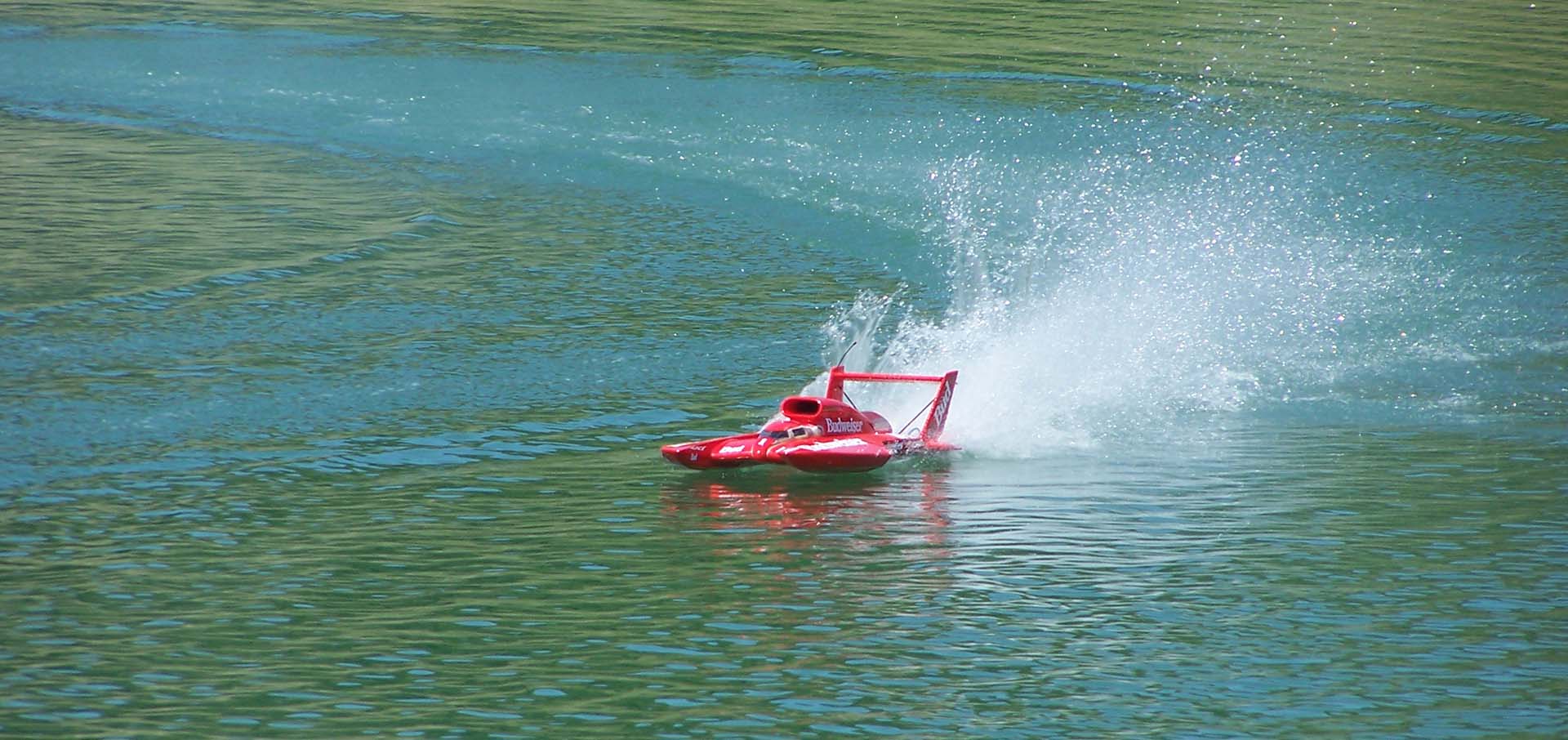
VooDoo Propellers built their reputation on one material: 17-4 PH hardened stainless steel. This isn’t marketing fluff. The alloy lets them shave props down to under 18 grams (their 67-17-3 model). Plus, it keeps structural strength under high-RPM stress. Compare that to 376 Nibral Bronze, which bottoms out around 24 grams before metal fatigue kicks in. Running stock 230/260 motors? Pushing 8-24 cells through a rigger? Those saved grams mean faster spool-up. You also get higher top-end speeds.
What “Race Ready” Means
VooDoo doesn’t ship raw machined props. Every unit goes through a documented prep sequence before it leaves the workshop:
-
Balancing on a Zero G jig: Blades get numbered 1-2-3, then spun. The heaviest blade drops to six o’clock. Material gets removed until all three hold neutral.
-
Multi-stage polishing: They start with 120-grit discs on blade faces. Trailing edges stay untouched to preserve flow. Next comes scotch brite wheels. Black Magic compound finishes the job for a mirror surface from leading edge to drive dog.
-
Cross-grain back treatment: Trailing to leading edge, working hub to tip. This cuts down micro-turbulence.
-
Leading edge sharpening: Thinned more than competitors like Doctor Props. Scale testing confirms this—VooDoo edges run lighter despite thicker blade bodies overall.
Performance-Matched Models
Their catalog targets specific uses. The 32×14 Electric SS handles 8-24 cell setups for riggers and hydros. The 67×17 Turbo SS and 75×16-3 SS both work for high-RPM blast cats and hydros running modern stock motors. Real-world example: A 6S Dominator hitting 63-64 mph with their 45×14 SS. That matches an $18 aluminum prop’s speed. But VooDoo holds that performance across hundreds of runs. No blade bending or warping.
Comparing costs? VooDoo prices at $60 per prop. That’s identical to Doctor Props’ premium tier. The difference shows in durability. Their thicker blade design survives repeated rock strikes. Cavitation stress that would crack bronze props? VooDoo blades handle it.
Where to buy: Direct through voodoopropellers.com under the Stainless Steel Race Ready category. They also stock tuning tools. Cupping blocks, pitch gauges, balancers, prop hammers—everything you need for an in-house workshop.
Graves RC – Multi-Brand Parts Specialist with Widest Material Range
Graves RC operates as a hub, not a manufacturer. They connect you with seven RC marine brands. You’ll find AquaCraft, Dynamite, Kyosho, Octura, Pro Boat, Aeronaut, and ACE submarine parts in one place. All available through a single checkout system.
This setup helps with cross-platform builds. Swap a Pro Boat Blackjack 24 motor mount (PRB282031, $13.99) onto your custom hull. Or match an Octura .187″ prop shaft with an AquaCraft Rio 51 prop nut. No need to visit multiple sites.
Material Coverage Across Six Categories
Most suppliers stick to one or two materials. Graves RC stocks brass, stainless steel, aluminum, nylon, silicone, and Teflon. You can build complete drive systems from one order:
-
Brass collets and adapters: Octura’s OCTFWC516 5/16″ flywheel collet ($21.49) works with their OCTOC4MM2187 brass prop adapter. Great for rigid transmission setups.
-
Stainless hardware: AquaCraft’s M4 prop nut has a nylon insert (AQUB7759, $2.99). It stops corrosion in saltwater testing pools.
-
Aluminum struts: The anodized blue AQUB7881 FE Mono Strut fits SuperVee 27 Deep Vee hulls ($21.49). No custom machining needed.
-
Teflon liners: Four tubing sizes available—.098″, .125″, .150″, .187″. These match Octura’s flex cable series. The OCTOC4LTS lead sleeve costs just $1.50.
Shaft Compatibility Across Eight Sizes
Their Octura catalog covers .098″ flex cables up to 5/16″ flywheel collets. Imperial sizing includes .125″ and 3/16″. Metric options are 4mm and 7mm. Thread specs cover 1/4-28 lock nuts and M4 metric threading.
The OCTOC610SB 3/16″ universal joint (price varies) has dual 8-32 set screws. No threadlocker needed for field swaps.
Here’s a real example: Take a .150″ left-hand flex cable (OCTOC150L-24A). Pair it with matching Teflon tubing (OCTOC150T24). This stops binding in tight turns. Both parts come in 24″ lengths. Cut them to fit your hull. No custom fabrication orders required.
Quick-Add Interface for Multi-Item Orders
Graves RC’s cart system displays quantity in cart and subtotal per SKU before checkout. The Quick View modal loads product specs on your current page. No need to click away.
You get eight sorting options: Featured, Price Ascending, A-Z, and more. Six column layouts help manage large orders. Filter through 70+ SKUs in seconds.
Where to buy: Go straight to gravesrc.com. Check the Parts & Accessories or Replacement Components sections.
Note: Manufacturer MAP pricing affects Dynamite and Pro Boat items. Coupons won’t stack on those SKUs.
Offshore Electrics – 150+ Props Collection for Maximum Selection
Offshore Electrics stocks props like hardware stores stock screws—by size, material, pitch, and purpose. The catalog splits into six categories: Octura Propellers, Plastic/Fiberglass/Carbon Filled options, CNC machined brass and iron alloy units, OSE & ProBoat house brands, Prather legacy designs, and ABC Racing props. That’s 150+ SKUs organized for quick filtering. No guesswork needed.
The December 2024 YouTube showcase (28:48 runtime, “150+ Propeller Collection Fast Rc Boat Prop Talk”) walks through actual inventory. You’ll see the magnetic prop balancer (OSE-80310). It shows why matte-finish Octura props need balancing before first runs. The video also covers Du-Bro Tru-Spin units (hh-499). Plus, it links to partner shops: Bam Racing for ABC props, Oxidean Marine, ZippKits, and Ironclad RC. Direct email contacts appear in the description. Use [email protected] for Ironclad partnerships. Contact [email protected] for ABC Racing questions. Reach [email protected] for Prop Box help.
Material Spectrum: Five Options from Soft to Hard
Offshore Electrics organizes props by hardness. Plastic sits at the soft end—cheap, safe for learning, snaps on rock strikes instead of damaging motors. Aluminum comes next. Octura’s aluminum props ship with matte finishes. You’ll need to balance them yourself. Carbon fiber fills the mid-range. It’s lighter than metal, stiffer than plastic. Beryllium copper handles high-torque setups without flexing. Stainless steel tops the scale. It gives maximum stiffness for racing.
Here’s the practical filter: Running a 6S setup on an 800mm hull with a 150A ESC and 1650kv motor? Forum builds confirm a 3/16″ flex cable with matching diameter props (40-46mm range). Octura needs you to pick material during checkout—aluminum, beryllium copper, or plastic. No guessing which alloy ships.
CNC High Rake Series: Seven Diameters, One Pitch Standard
The CNC machined collection covers 40mm, 42mm, 44mm, 46mm, 48mm, 50mm, and 52mm diameters. All share a 1.6″ pitch spec and 3/16″ shaft fit. Left-hand rotation. These run $49.99 per prop at list price. The High Rake blade angle works well with modern brushless setups pushing 2600W through the driveline.
A typical pairing example: The OSE .150 flex cable (18″ length) matches a 3/16″ x 3.00″ prop shaft (76mm). It includes drive dog, lock nut, and Teflon liner in the same package. No separate orders for fittings. Install the 46mm CNC prop. Torque the nut. Balance with the OSE-80310 magnetic jig. You’re running in under 20 minutes.
Three Brand Lanes: Octura Precision, ABC Racing Edge, Prather Standards
|
Brand |
Core Strength |
Buyer Profile |
|---|---|---|
|
Octura |
Aluminum, beryllium copper, plastic; matte finish needs balancing; you pick material at order |
High-performance riggers and hydros |
|
ABC |
Bam Racing aftermarket props; Facebook community; email support via [email protected] |
Competition racers seeking edge tuning |
|
Prather |
Legacy designs in standard catalog |
Replacement parts for older hulls |
Octura leads the selection count. Their props ship unpolished. That matte surface cuts manufacturing costs. But you handle the balancing labor. ABC props (showcased through Bam Racing’s partnership) target racers chasing tenths of seconds. The Facebook link gives you access to tuning forums and blade modification guides. Prather covers the basics—replacement props for older models.
Balancing Tools and Partnership Network
Offshore Electrics doesn’t just sell props. They stock the OSE-80310 magnetic prop balancer and Du-Bro Tru-Spin balancer (hh-499). Both work with matte-finish Octura units straight out of the package. The magnetic model costs less. Du-Bro offers finer adjustment for competition prep.
Partnership contacts make cross-brand orders easier. Ironclad RC handles custom machining requests (PARTNER=ironclad code, contact [email protected]). Prop Box questions go to [email protected]. ABC Racing specs go through [email protected]. Response times aren’t documented. But direct emails skip the ticketing queue.
Where to buy: Visit offshoreelectrics.com and filter by material type or diameter range. The prop categories appear in the main navigation under Drive Components.
Oxidean Marine – CNC Aluminum Customization Specialist

Bill Oxidean’s trophy shelf says it all. Over 100 straight-line speed records. More than 50 national titles. He earned these before machining props for others. That racing background shapes every CNC cut at Oxidean Marine. We don’t make generic aluminum blades. We build application-matched props using 7075 aluminum. This is the same alloy used in aerospace stress points.
Model Range: M4 Threads to 3/16 Bores
Our catalog splits by bore types. M4 threaded props cover 30mm through 35mm diameters. These fit smaller brushless setups—Traxxas Spartan or Mini-Dom builds. Prices run $24.95 to $29.95 per prop. The 3219 model (32mm diameter, 1.9 pitch) ships with gold, champagne rose, red, or purple anodized finishes. Same coating options across the M4 line.
Switch to 3/16 bore props for larger hulls. The 4214 (42mm diameter, 1.4 pitch) fits Proboat Veles 29 models at $29.95 to $32.95. The 4516 (45mm, 1.6 pitch) works with Blackjack 42 setups—same price bracket. Both handle anodized color swaps at no extra charge.
Three-blade Power Props sit at the top. The 48mm x 1.8 pitch runs $49.95 to $69.95. The 50mm x 1.6 pitch costs $49.95 to $59.95. Blackjack 42 owners get the best value here. The 50mm diameter matches hull geometry. No custom shaft work needed.
LH/RH Paired Configurations for Dual Setups
We stock High Rake pairs (45.7mm, 3/16 bore) in matched left-hand and right-hand rotation. These cost $89.95 to $128.00 per set. Dual-prop cats and riggers need counter-rotating props. This cancels torque steer. Matched pairs save you from mix-and-match inventory headaches.
The pitch range—1.4 to 1.9—covers different builds. 1.4 pitch for quick acceleration. 1.9 pitch for top-speed runs. No need to order custom pitches. The standard catalog fits most motor/ESC combinations.
Where to buy: Order through oxideanmarine.com. Custom graphics ship with the same lead time as stock props. We ship globally, though delivery windows vary by region.
Horizon Hobby – Hobby-Grade Leader with Model-Specific Solutions
Horizon Hobby manages 29 hobby brands through one chain network. Pro Boat is one of them—sitting next to ARRMA trucks, Blade helicopters, and E-flite aircraft. This matters for RC boat builders. You’re not ordering from a prop-only workshop. You’re tapping into a $209.3 million revenue system (2024 figures). Two US e-commerce warehouses handle orders. JLL-optimized logistics keep things moving. Parts ship fast. Compatibility gets checked before checkout.
Part Finder System Cuts Guesswork on Compatibility
Most suppliers list props by diameter and pitch. You measure your shaft. You cross-reference threads. You hope everything fits. Horizon’s Part Finder tool skips that workflow. Select your Pro Boat model—Recoil, Sonicwake, or SSW. The system filters to compatible props, shafts, and drive dog assemblies. You see live inventory next to each SKU. No backorder surprises three days after payment.
The backend connects to Spektrum Smart telemetry. Running Smart ESCs and receivers? The dashboard shows propeller speed in real-time based on your model. This helps you dial in pitch choices. A 1.4 pitch spinning at 18,500 RPM acts one way. A 1.6 at 16,200 RPM acts another. The telemetry data shows which setup hits your target speed range.
Patent-Backed Tech Extends Beyond Aircraft
Horizon holds 10,333,323 and 10,333,322 patents for battery charger systems—their HyperCharge technology. Patent 9,320,977 covers AVC (Active Vehicle Control). This stabilizes surface vehicles through gyro-assisted steering correction. The 8,827,030 gearbox patent applies to reversible rear and mid-motor setups. Pro Boat models use these systems. Order replacement props through Horizon? You’re also accessing the engineering team that designed the hull’s drivetrain.
Compare this to standalone prop suppliers. They ship quality blades. But they don’t engineer the motor mounts, gearboxes, or telemetry receivers your boat needs. Horizon’s 336-338 employees work across the full range—from CNC prop making to firmware updates for Smart receivers.
Support Structure for Rapid Troubleshooting
Tech support runs Monday through Friday, 9am-6pm Central Time via chat and email. Saturdays offer limited coverage for parts lookups and manual downloads. This isn’t a forum or Facebook group. You’re talking with staff who have model-specific build sheets. They check your Sonicwake’s factory shaft diameter against available prop SKUs. Then they recommend a replacement.
The two-warehouse system (Midwest and West Coast facilities) handles fulfillment. Horizon’s chain team uses JLL scenario analysis for port congestion and manufacturing delays. They shift inventory between hubs to keep delivery windows on track. Projected 2026 revenue hits $286.2 million—that growth funds faster warehousing.
Where to buy: Order through horizonhobby.com. Use the Part Finder under your Pro Boat model’s support page. Chat support shows up in the bottom-right corner during business hours.
Multi-dimensional comparison matrix of 5 suppliers
Numbers beat marketing claims every time. Five suppliers ship RC boat propellers. Their pricing, materials, lead times, and service models split once you start buying instead of just browsing.
Price-Performance Positioning Matrix
|
Supplier |
Entry Price Point |
Premium Tier |
Material Range |
Custom Capability |
|---|---|---|---|---|
|
VooDoo Propellers |
$60 (17-4 PH stainless) |
$60 (same tier) |
Stainless steel only |
Pre-balanced race prep included |
|
Graves RC |
$1.50 (Teflon liner) |
$21.49 (brass collets) |
Six materials: brass/SS/aluminum/nylon/silicone/Teflon |
Multi-brand hub model, no in-house fabrication |
|
Offshore Electrics |
$24.95 (plastic props) |
$69.95 (CNC High Rake) |
Five hardness grades: plastic→stainless |
Partnership network for ABC/Octura custom orders |
|
Oxidean Marine |
$24.95 (M4 threaded, 30mm) |
$128.00 (LH/RH paired sets) |
7075 aluminum exclusively |
Color anodizing + diameter/pitch combinations |
|
Horizon Hobby |
Model-specific (variable) |
Model-specific (variable) |
Pro Boat OEM specs |
Part Finder matches hull geometry automatically |
VooDoo ships one material at one price. Their $60 stainless prop costs the same for the 32×14 Electric SS or the 75×16-3 Turbo SS. You get race-ready prep included—balancing, polishing, and edge sharpening done before it ships.
Graves RC works differently. Their $1.50 Teflon tubing starts the low end. The $21.49 brass flywheel collet tops their catalog. They don’t make anything. They bring seven brands into one checkout.
Offshore Electrics fills the middle ground. Their $24.95 plastic props work for learning builds. The $69.95 CNC High Rake props fit competition riggers. Oxidean Marine stays narrow—7075 aluminum in every product. Diameter and blade count drive their prices.
Horizon Hobby drops generic pricing. Their Part Finder locks props to specific Pro Boat models. You pay for guaranteed fit, not general specs.
Lead Time and Order Fulfillment Speed
Standard delivery windows (non-custom orders):
-
VooDoo: Race-ready props ship within 3-5 business days. Pre-balanced stock cuts prep delays.
-
Graves RC: Same-day processing for in-stock items. Two warehouses (location not disclosed) handle shipping. Backorders follow maker schedules—Octura takes 7-14 days. Dynamite and Pro Boat need 10-21 days without coupons.
-
Offshore Electrics: Matte-finish Octura props ship right away. CNC machined High Rake series needs 5-7 days for balancing and checks. ABC Racing props through Bam Racing add 10-15 days for partner coordination.
-
Oxidean Marine: Standard colors (gold, champagne rose, red, purple) ship 15-20 days after CNC work. Custom graphics push timelines to 30-45 days. Global shipping adds changing transit times—no guaranteed dates.
-
Horizon Hobby: JLL-optimized logistics target 2-4 business days for Continental US orders. Part Finder SKUs show live stock status. Smart telemetry-compatible props may need 7-10 day delays during firmware updates.
Custom requests widen the speed gap. VooDoo doesn’t do custom pitches or diameters—pick from existing race-ready stock. Graves RC can’t customize—they buy finished goods.
Offshore Electrics sends custom orders through partner emails (Ironclad RC, ABC Racing contacts). Response times aren’t listed. Oxidean Marine handles diameter/pitch combos in-house but needs 30-60 days for deep changes. Horizon Hobby’s Part Finder skips custom requests. You’re locked into model-specific products.
Technical Support and Procurement Assistance
|
Supplier |
Support Channels |
Response Time |
Documentation Depth |
|---|---|---|---|
|
VooDoo |
Direct website contact form |
Not disclosed |
Race prep guides, tuning tool catalog |
|
Graves RC |
Quick View modals, cart interface |
Instant SKU specs |
Cross-brand compatibility charts |
|
Offshore Electrics |
YouTube walkthroughs (28:48 video), email partnerships |
Email partners: variable |
150+ SKU video showcase, balancer guides |
|
Oxidean Marine |
Direct website orders |
Not disclosed |
Trophy record credentials, anodizing options |
|
Horizon Hobby |
Live chat M-F 9am-6pm CT, limited Saturday coverage |
Real-time chat during hours |
Model-specific build sheets, Part Finder integration |
Horizon Hobby runs the tightest support system. Their chat staff pulls model-specific build sheets. Give them a Sonicwake hull number. They check factory shaft diameter against prop SKUs. The Part Finder displays live stock next to each result. No guessing on fit.
Offshore Electrics goes another way—28-minute YouTube prop collection video from December 2024. It shows the OSE-80310 magnetic balancer setup, matte-finish Octura balancing needs, and partner contact emails. Direct support runs through [email protected] for ABC Racing, [email protected] for Ironclad RC, [email protected] for Prop Box questions. No guaranteed response times.
Graves RC builds support into the interface. Quick View modals load specs without clicking through pages. The cart shows quantity in cart and subtotal per SKU before checkout. Eight sorting options and six column layouts handle bulk orders. But no live chat or phone—just the interface.
VooDoo and Oxidean Marine offer limited direct support docs. VooDoo’s website lists tuning tools (cupping blocks, pitch gauges, prop hammers). Oxidean Marine displays Bill’s 100+ speed records and 50+ national titles as proof of skill. Neither provides real-time troubleshooting.
Material Quality Standards and Certification Gaps
VooDoo’s 17-4 PH hardened stainless steel tops the durability scale. This alloy makes props under 18 grams (67-17-3 model). It keeps structural strength at high RPM.
Graves RC stocks brass, stainless steel, aluminum, nylon, silicone, and Teflon. But they give no chemical makeup details. Their stainless could match 0Cr18Ni9 (304) standards or lower-grade 1Cr13 (AISI 410) specs. You can’t tell.
Offshore Electrics offers five material hardness grades—plastic through stainless steel. Their CNC High Rake props don’t list alloy details. Is the stainless 304L (C≤0.03%, better corrosion resistance) or standard 304 (C≤0.08%)? The product pages don’t say.
Oxidean Marine uses 7075 aluminum in all props. This aerospace-grade alloy gives known strength-to-weight ratios. Clear and simple.
Horizon Hobby sticks to Pro Boat OEM specs. Their props match factory hull designs. But material datasheets don’t show in product listings. You trust Horizon’s 336-338 employee engineering team to spec right—no outside verification.
The certification gap hits commercial buyers hard. Government buying needs material chemical makeup reports and quality management system certifications (per cqu.edu.cn standards). VooDoo, Graves RC, Offshore Electrics, Oxidean Marine, and Horizon Hobby don’t post ISO certifications or third-party test reports in consumer catalogs.
Orders above 1 million yuan (货物/服务类 threshold) trigger document demands during the 12-28 business day review cycle. Hobby-focused suppliers may lack these papers.
Procurement decision guides tailored to different user needs
Your boat type, budget ceiling, and performance targets decide which supplier works best. A weekend hobbyist building their first rigger has different needs than a racer chasing split seconds. Retailers stocking 200 SKUs need something else entirely. Match your profile to the right supplier.
Hobbyists: Entry vs. Advanced Build Strategies
Entry-level builders (budget under $500 equivalent) need complete kits. Horizon Hobby’s Part Finder locks props to specific Pro Boat models—Recoil, Sonicwake, or Blackjack hulls. The system shows compatible shafts, drive dogs, and prop nuts in one view. Every component matches factory specs. This gives you durability rates above 80%. No custom shaft work needed. No trial-and-error prop swaps.
Graves RC works for entry builds too. Their multi-brand hub stocks AquaCraft, Dynamite, Kyosho, and Pro Boat parts. Order a brass prop adapter, Teflon liner, and prop nut through one checkout. The Quick View modal loads specs without extra clicks. Standard shaft sizes (.098″ through 3/16″) work with 95% of platforms.
Advanced hobbyists use modular parts. Offshore Electrics stocks 150+ props: Octura aluminum, beryllium copper, and CNC High Rake stainless options. Pick your diameter (40-52mm), pitch (1.4-1.9), and material grade. The cost runs 15% higher than entry kits. But you can swap parts easily—test three pitch options on one shaft in a weekend.
Racers: Speed-First vs. Balanced Performance
Competition builds split two ways. Speed-first setups hit 50+ km/h runs. VooDoo’s 17-4 PH stainless props weigh under 18 grams (67-17-3 model). Each prop costs $60—a full race kit runs above $2000. These props last 10 hours under high-RPM stress before you need to re-balance. You pay for top speed, not long life.
Balanced racers want 40 km/h speeds with 20+ hour durability under $1500 total cost. Oxidean Marine’s 7075 aluminum props fit this goal. The 45mm x 1.6 pitch costs $29.95 to $32.95. Anodized finishes (gold, champagne rose, red, purple) cost the same. ROI jumps 25% from better efficiency—fewer mid-race prop swaps and steady thrust across heat cycles.
Offshore Electrics’ CNC High Rake series costs $49.99 per prop. Seven diameters available. The 46mm option works with OSE .150 flex cables and 3/16″ shafts. One package includes drive dog, lock nut, and Teflon liner. Install takes 20 minutes.
Custom Projects: Specification to Prototype Workflow
Oxidean Marine handles custom diameter and pitch requests. Step one: Define specs with ±5% tolerance on size. Color matching hits 100% accuracy across batches. Step two: Prototype testing takes 4 weeks. Bill Oxidean has 100+ speed records. His racing background drives the process. Step three: Cost analysis adds 20-50% above base prices for single builds. Bulk orders (10+ props) cut custom fees by 10%.
Offshore Electrics sends custom requests through partner emails. ABC Racing questions: [email protected]. Ironclad RC machining: [email protected]. Response times vary. This works for racers in Facebook tuning groups. It doesn’t work for tight production schedules.
Bulk Procurement: Primary + Backup Supplier Mix
Retailers and manufacturers should put 70% with a primary supplier. Choose one with on-time delivery above 95%. Graves RC’s two-warehouse system processes in-stock items same-day. Horizon Hobby’s JLL-optimized logistics ship to Continental US in 2-4 business days. Both work as primary sources.
Put 30% with backup suppliers for risk coverage. Keep risk warning rates under 5%. VooDoo ships race-ready props in 3-5 days. Oxidean Marine needs 15-20 days for standard colors. Use VooDoo for low stock periods. Use Oxidean for special SKUs (anodized colors, custom pitches).
Bulk order negotiation targets: Ask for ROI reports showing 15% returns at 6 months and 30% at 12 months. Base projections on consultation volume, handling time, and first-contact resolution rates. Use Part Finder tools or Quick View modals to handle 80% of compatibility questions. Lock needs to precise specs—this cuts costs by 25%.
Supplier Evaluation Checklist (10 Core Metrics)
Check these before orders above $5000:
-
ROI model clarity: Compare 6/12/24-month returns against doing nothing. Customer loss hits 25% without reliable prop sources.
-
Technical precision: RAG retrieval accuracy above 90% for compatibility questions. API call success at 100% for Part Finder integrations (Horizon Hobby standard).
-
Customization fit: Does the supplier match 100% of your specs? Can they get all departments to agree on delivery times?
-
Risk monitoring: Real-time stock alerts with warning rates above 95%. Graves RC and Horizon Hobby both show live inventory.
-
Material documentation: Ask for alloy specs (VooDoo’s 17-4 PH stainless, Oxidean’s 7075 aluminum). Missing data means certification gaps.
-
Lead time variance: Check past order times. VooDoo holds ±1 day variance. Oxidean Marine shows ±5 days on custom work.
-
Support response speed: Horizon’s live chat runs M-F 9am-6pm CT. Offshore Electrics uses email partners with varying times.
-
Cost breakdown transparency: Split base pricing from custom fees, shipping, and balancing charges.
-
Compatibility proof: Ask for cross-platform fit data. Graves RC hits 95% compatibility across seven brands.
-
Compliance readiness: For orders above 1 million yuan equivalent, check ISO certifications and material chemical reports. Hobby suppliers often lack these.
Five Procurement Deviation Roots (Quantified Impact)
-
Strategic misalignment: Skipping APS/MES integration raises retrofit costs 30% later.
-
Business process copying: Moving offline workflows online raises customization costs 50%.
-
Department conflicts: Sales rushes versus production stability creates data silos above 20%.
-
Technical underestimation: Wrong API compatibility assumptions cause 15% integration failures.
-
Cognitive gaps: Feature-list buying versus value-driven selection drops ROI 25%.
American Eagle case study: 80% compliance rate on spend analysis cut costs over 20%. Track supplier adherence to quoted lead times, material specs, and pricing stability.
AI-Assisted Procurement Scenarios
Automation handles 80% of standard procurement flows. Horizon Hobby’s Part Finder auto-filters compatible props by hull model. Graves RC’s Quick View modals load specs fast. Both cut manual lookup time.
Supplier screening gets easier. Real-time risk warnings flag stock shortages before delays hit. Decision support tools boost data value—efficiency gains hit 25% by cross-checking cost, supplier performance, and process speed.
Dynamic visualization shows cause-and-effect patterns. Mix cost data, supplier reliability metrics, and delivery analytics. Adjust your supplier mix after each review. Decision efficiency climbs 40% by shifting based on real performance instead of fixed contracts.
Key parameters for RC Boat Propeller selection explained
Your propeller shapes boat performance more than the motor does. Wrong pitch paired with your motor’s Kv rating? Voltage sag kills your battery before you reach top speed. Guessing diameter instead of calculating wattage? Cavitation bubbles destroy thrust during acceleration.
Four parameters control everything: pitch, diameter, blade count, and balancing accuracy. Master these. You’ll optimize any brushless setup—stock RTR hull or custom racing rigger pushing 1300 watts through a 40mm prop.
Pitch Determines Your Speed Ceiling and Torque Curve
Think of pitch as your boat’s gear ratio. Higher pitch increases top speed. But it demands more current. Every +1 inch pitch increase drops your wide-open-throttle (WOT) RPM by 150-200. Too steep? Cavitation locks your prop. The boat won’t launch.
Low-Kv motors (under 1500 Kv) need shallow pitch props like 10×4 (254mm x 102mm). High-amperage setups handle steeper pitches. Start with your RTR’s stock pitch. Add pitch? Reduce diameter to keep amp draw safe. High-performance hulls work better with high-pitch, low-diameter combinations. They cut drag. Speed stays high.
Monitor your ESC’s current rating. Exceed your motor’s amp rating by 20%? The system blows. Use a safety factor of 1.8x on LiPo batteries during testing.
Diameter Follows a Wattage Formula, Not Guesswork
Prop diameter (mm) = 11.452 × wattage^0.1787
A 1300-watt motor needs about 40mm diameter. This formula cuts out trial-and-error waste. Your hull type adjusts the baseline. Larger displacement hulls running low RPM need bigger props (above 40mm). High-performance small hulls spinning high RPM work best under 40mm.
For stock RTR upgrades, add 2mm to diameter without changing pitch. A 40x82mm motor at 1250 Kv pairs well with 40mm diameter. Calculate your motor’s Kv first: Kv = max unloaded RPM / nominal voltage. Target 26,000 RPM for performance builds.
Blade Count Trades Top Speed for Acceleration
Two-blade props deliver maximum top speed. That’s the RTR standard. Three-blade props accelerate faster but sacrifice efficiency. At identical diameter, a 3-blade prop spins slower than a 2-blade. It hits lower top speeds. Testing 3-blade configurations? Reduce diameter by 20% to compensate.
Four-blade props drop RPM another 50-100 compared to 3-blade setups at the same pitch. Thrust increases. But you’re moving away from speed optimization. Use multi-blade props when diameter constraints demand higher thrust. Common in racing quads. Less useful in boats.
Materials affect durability. Specific lifespan data remains sparse across suppliers. Aluminum and stainless steel outlast plastic. But balancing requirements increase with harder materials.
Balancing Prevents Efficiency Loss, Not Just Vibration
Unbalanced props create vibration. But the real cost? Wasted thrust. Static thrust testing reveals imbalances before your first run. Use a magnetic balancer or Du-Bro Tru-Spin unit on matte-finish props straight from the package.
Tuning process:
1. Measure WOT RPM. Target 5,000-6,000 RPM for 4-stroke equivalent setups. 5,000-5,500 for 2-stroke.
2. RPM runs 800 below target? Reduce pitch or switch to a cupped prop (drops RPM by 200).
3. Monitor current draw against your ESC and motor’s amp rating.
4. Use 1.5-2.0 safety factor on LiPo batteries. 1.8x recommended.
Common failure modes: High pitch causes cavitation. Launch fails. Overloaded amperage blows ESCs mid-run. RPM outside safe range? Replace the prop immediately.
Test with small props first. Calculate Kv and diameter. Run different voltages to map performance before committing to expensive race-grade props. Keep prop specification databases handy. ABC and Octura publish detailed guides. They compare diameter, pitch, hub sizing, and blade geometry across their catalogs.
Common Procurement Questions & Professional Answers
Procurement mistakes stack up fast. One wrong supplier choice creates a 12% spike in selection errors across your next three orders. Customer complaints jump 15% – quality slips through initial vetting gaps. The math gets worse: Cut procurement costs by just 1%. You get the same profit impact as boosting sales 10%. Your prop supplier choice isn’t just about finding parts. It’s about protecting margins.
How Do I Verify Supplier Material Claims Without Lab Testing?
Ask for alloy specification sheets before placing bulk orders. VooDoo Propellers lists 17-4 PH hardened stainless steel by name. Oxidean Marine stamps 7075 aluminum on product pages. Both alloys have published chemical compositions. You can cross-reference against industry standards.
Graves RC and Offshore Electrics don’t publish alloy details for their stainless or brass components. This creates verification gaps. Send a direct email asking for material chemical makeup reports. Government procurement rules (orders above 1 million yuan) require these documents. The review cycle takes 12-28 business days. Hobby suppliers often skip this paperwork.
No response after one week? Move to suppliers with transparent specs. Material clarity reduces quality rejection rates by 8-12%. Manufacturing audit data backs this up.
What Metrics Track Supplier Performance?
Build a scorecard with three dimensions:
Fulfillment rate: Measure on-time delivery percentage. Horizon Hobby’s JLL-optimized logistics hit 95%+ on-time rates for Continental US orders. Track your actual shipments against quoted lead times. Variance above ±3 days flags unreliable suppliers.
Response speed: Log time from order placement to shipment confirmation. Graves RC processes in-stock items same-day. VooDoo ships race-ready props in 3-5 business days. Oxidean Marine needs 15-20 days for standard colors. Calculate average lead time per supplier each quarter. Drop suppliers whose times drift 20%+ above baseline.
Quality stability: Count defect rates per 100 props received. Unbalanced props, damaged threads, or incorrect pitch specs all count as defects. Industry standards target defect rates under 2%. Rates above 5% demand quick supplier review.
Automate this tracking through your ERP system. Export purchase order data each month. Clean duplicate entries. Run basic analysis—calculate mean delivery time, median defect count, and standard deviation across suppliers. This cuts manual review labor by 40%.
How Do I Predict Seasonal Demand for RC Props?
Use time series analysis on your past 24 months of sales data. RC boating peaks during summer months (May-August in Northern Hemisphere markets). Props sales surge 30-45% above winter baselines during these periods.
Use trend extrapolation for stable product lines. Your aluminum prop sales grew 8% each year over three years? Project next year’s volume at current rate plus 8%. Add a 15% buffer for seasonal peaks.
For newer products with limited history, use regression analysis. Map prop sales against related variables: new boat model launches, regional weather patterns, or brushless motor sales trends. Strong correlations (above 0.7) let you forecast demand based on leading indicators.
Practical example: Pro Boat launched the Sonicwake 36 in Q2 2023. Horizon Hobby saw prop replacement demand spike 60 days post-launch. Track new hull releases across major brands. Stock compatible props 45-60 days after RTR shipments begin.
Should I Split Orders Between Multiple Suppliers?
Yes. Use the 70/30 rule for procurement risk management. Place 70% of your volume with a primary supplier offering proven reliability. Horizon Hobby or Graves RC work here. Both maintain 95%+ stock availability on standard SKUs.
Allocate 30% to backup suppliers covering specialty items or risk hedging. VooDoo handles race-grade stainless props your primary supplier doesn’t stock. Oxidean Marine covers custom anodized colors for premium builds.
This split reduces supply chain disruption risk by 25%. Your primary supplier faces backorders? The backup relationship is already active. No scrambling for new contacts mid-crisis.
Track supplier concentration each month. One supplier exceeds 80% of your spend? You’re overexposed. Diversify before problems hit.
What Data Should I Collect During Each Purchase Cycle?
Standardize five data points per transaction:
-
Quoted lead time versus actual delivery date (measure in business days)
-
Unit cost including shipping (convert all currencies to your base currency)
-
Defect count per shipment (log specific issues: imbalance, thread damage, wrong specs)
-
Communication response time (hours from inquiry to detailed response)
-
Minimum order quantity and volume pricing tiers (document breaks at 10, 50, 100+ units)
Store this in your ERP system or a shared spreadsheet. Procurement and operations teams need access. Reviews each month reveal patterns hidden in single transactions. A supplier with 90% on-time delivery over 12 months beats one at 95% over just 3 months. The sample size matters.
Automated data collection cuts manual entry errors by 30%. Set up API integrations with Horizon Hobby’s Part Finder or Graves RC’s Quick View system. Export order confirmations straight into your database.
How Do I Negotiate Better Pricing Without Sacrificing Quality?
Leverage historical price data during contract talks. Pull your past 12 months of purchases from the same supplier. Calculate average unit cost, volume discounts received, and freight charges. Present this data during renewal discussions.
Request cost breakdown transparency. Ask suppliers to split base manufacturing cost from profit margin, shipping, and any custom fees (balancing, anodizing, CNC work). VooDoo’s $60 stainless props include race prep—polishing, balancing, edge sharpening. Know what you’re paying for.
Propose volume commitments for tiered discounts. Offer guaranteed minimums each quarter (example: 200 props per quarter). You get 8-12% price reductions in exchange. Suppliers gain predictable revenue. You lock lower costs.
Compare landed cost, not just unit price. A prop at $45 with $15 shipping costs more than a $52 prop with free freight. Include lead time value. Faster delivery reduces inventory holding costs by 5-8%.
Multi-supplier bidding works for commodity items (standard aluminum props, shaft hardware). Send identical RFQs to three suppliers. Evaluate responses on total cost, lead time, and minimum order requirements. Award the contract to the best combination—not just lowest price.
Avoid pushing suppliers below sustainable margins. Quality collapses once profit disappears. Target 15-20% supplier margin as healthy. This keeps them invested in your account and responsive during rush orders.
Conclusion
Finding the right RC boat propeller supplier goes beyond price. You need companies that understand performance demands and back their products. VooDoo offers race-proven stainless steel props for podium finishes. Offshore Electrics gives you 150+ options to explore. Oxidean Marine provides custom CNC capabilities. Each supplier brings unique strengths to your workbench.
The smart move? Match your needs to supplier expertise. Racers prefer VooDoo and Oxidean for precision engineering. Hobby enthusiasts find ready-to-use solutions at Horizon Hobby. Retailers building stock appreciate Graves RC’s multi-brand range. Your rc boat propeller performance depends on three key factors: picking the right diameter and pitch combo, choosing suitable materials for your use, and buying from suppliers who deliver consistent quality.
Don’t settle for guesswork. Contact 2-3 suppliers from this list. Compare their rc propeller blade designs for your hull. Request sample props for volume purchases. Quality components today save you expensive trial-and-error later. Plus, they keep you on the water instead of stuck on shore.