
Every boat engine has a story. A subtle vibration here. A slight drop in fuel efficiency there. A propeller that doesn’t bite the water the way it used to. Most boaters never catch these signs — not because they’re hidden, but because nobody taught them to listen.
A thorough boat inspection is more than routine maintenance. Skip it, and you risk a breakdown miles from shore. Stay on top of it, and you get a full season of confident time on the water.
Here’s what you’ll find in this guide:
-
The real risks of skipping inspections
-
A practical framework for checking everything — from hull integrity to propeller condition
-
The financial math that makes regular upkeep impossible to ignore
It doesn’t matter if you’re a weekend cruiser, a serious angler, or looking at your first pre-owned boat. This applies to you.
Content Framework: Why Boat Inspection Is Important for Marine Safety and Performance
Boat inspection isn’t one single topic. It’s a web of connected systems — and each one can make or break your time on the water.
This guide covers all of it. Think of it as a map before a long voyage. You want to know what’s ahead before you leave the dock.
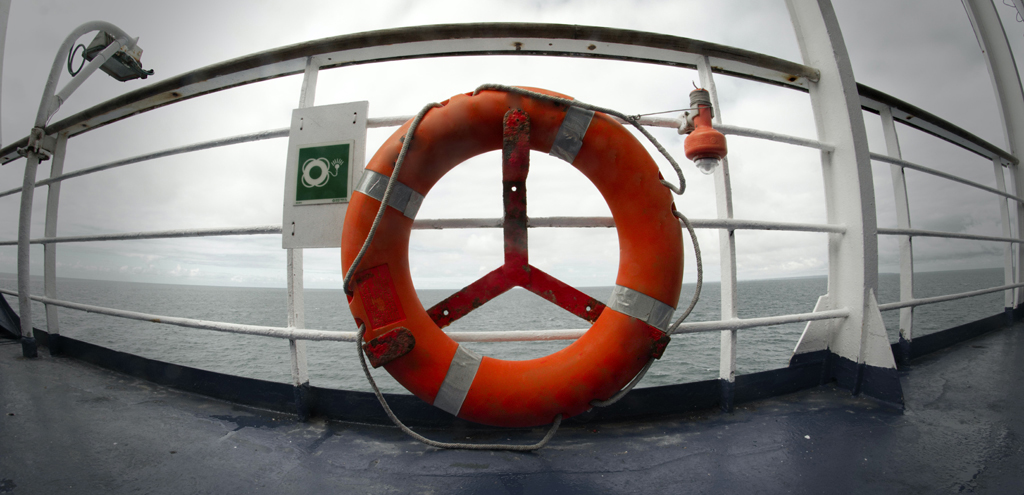
Here’s how the content is laid out — and why each section matters:
Safety First, Always
Faulty engines don’t just cause inconvenience. They start fires, trigger breakdowns, and create pollution. Overheating, oil leaks, fuel contamination — these aren’t rare. They’re the expected result of skipped inspections. The Coast Guard finds these problems at launch ramps every season. Worn life jackets. Broken navigation lights. These are issues that take minutes to fix on land — and hours to deal with at sea.
Performance, Compliance, and the Long Game
Safety is just the start. This guide also covers what inspections do for your boat’s performance. Well-tuned machinery and calibrated systems cut fuel costs and reduce transit times. Staying compliant with maritime regulations limits your liability. It can also lower your insurance premiums. Routine checks stretch engine lifespan too. You catch small wear early — before it turns into a costly replacement job.
Structural and Propulsion Integrity
Hull corrosion, propeller wear, electrical breakdown — saltwater works slow and steady against every component. Knowing how to check these systems puts you in control before problems grow.
Every section in this guide connects back to one core idea: informed boat owners make safer decisions.
Expert Opinion:
“In my two decades of marine surveying, the most expensive repairs I’ve documented were almost never sudden catastrophes — they were slow-motion failures that started with a missed oil analysis or an ignored anode. The $40 impeller versus the $6,000 lower unit rebuild isn’t a hypothetical; I’ve seen that exact scenario play out dozens of times. What most boaters don’t realize is that saltwater corrosion operates on a biological clock, not a calendar. By the time you notice the symptom, the underlying structural damage is already months old. My strongest recommendation: treat your 100-hour inspection interval as a hard deadline, not a suggestion. The data from commercial fleet operators is unambiguous — consistent inspection cycles cut catastrophic failure rates by more than half. That’s not a maintenance statistic. That’s the difference between coming home and not coming home.“
————Robert Callahan, NAMS-CMS, Certified Marine Surveyor with 20+ years specializing in inboard and outboard engine diagnostics, hull integrity assessment, and marine corrosion failure analysis for commercial and recreational vessels
How Boat Engine Inspection Prevents Catastrophic Failures at Sea
Engines don’t fail all at once. They fail in stages — slow, steady, over dozens of hours on the water. By the time something goes wrong in plain sight, the problem is weeks or months old.
That’s what makes engine inspection so critical. You’re not looking for what’s broken. You’re looking for what’s about to break.
The Six Checks That Stand Between You and a Breakdown
A proper inboard or outboard engine inspection covers a clear set of components. Each one connects to the next in ways that matter.
Oil level. Low oil means poor lubrication. Poor lubrication damages bearings. Leave that unchecked and the crankshaft can snap — not at the dock, but miles offshore where no one can reach you in time.
Coolant levels. This one is tricky. A missing impeller vane lets your engine run fine at idle. Push against a tide at full throttle, and that partial blockage triggers severe overheating. The engine block warps. Your trip ends there.
Belt condition. Loose belts. Cracked belts. Either one shuts down the water pump or alternator. The result is overheating or total electrical loss — and neither gives you much warning before it happens.
Fuel and oil filters. Clogged fuel filters invite contamination. Neglected oil filters let debris move through the system. That leads to injector leaks, fuel dilution, and piston ring wear over time. Oil analysis catches this early — elevated iron and chrome levels in a sample mean the pistons are already taking damage.
Fuel lines. A cracked fuel line isn’t just a performance problem. It’s a fire risk. Out at sea, mid-trip.
Ignition system. A misfiring cylinder can go unnoticed at idle. Under load, that same misfire can cause complete power loss — or worse, an explosion hazard.
The inspection interval that covers most of this: every 100 hours of use, or once per season. Stick to that schedule, and you block around 80% of lower unit failures — repairs that tend to run between $3,000 and $8,000.
Saltwater Doesn’t Wait
Saltwater corrosion runs on a timetable most boaters don’t know about. The timeline shifts based on your engine type.
Outboard motors sit right in the water. They corrode fast:
-
3 months without inspection — anodes have dissolved by 50%, and surface pitting has already started
-
6 months — heat exchanger tubes have lost 20–30% of their material; raw water starts leaking into the oil
-
12 months — internal corrosion causes a 50%+ efficiency loss, and seizure risk climbs fast
Inboard engines are more sheltered — but not immune:
-
6 months — exchanger tubes pit and cut water flow by 10–15%
-
12 months — corrosion penetration reaches 30–40%, coolant intrusion starts, overheating follows
The gap is significant: outboards fail two to three times faster than inboards because they sit in direct saltwater contact. A basic anode and impeller check — fast to do, cheap to do — stops most total lower unit failures before they start.
Warning Signs You Shouldn’t Ignore
Three failure patterns come up again and again in marine engine troubleshooting. Each one gives you a window to act before things get serious.
|
Fault |
What to Watch For |
When to Act |
|---|---|---|
|
Overheating |
Rising exhaust temps, impeller wear, reduced flow at half-throttle |
Temperature more than 20% above normal idle |
|
Oil leaks |
Puddles under the engine, oil levels dropping after each run |
Oil drop exceeding 10% post-use, visible drips on mounts |
|
Fuel contamination |
Rough idle, black smoke, debris in filters |
Fuel concentration above 5% in oil sample |
Two diagnostic tools do the heavy lifting here: cylinder compression testing and exhaust temperature analysis. They catch misfires that show nothing at idle but trigger full power loss the second you push the engine hard.
One oil analysis number worth knowing: elevated sodium in the sample means raw water is leaking into the system. Fuel dilution above 2% signals an injector repair that can’t wait. Neither of those shows up in a visual check.
What the Numbers Say
Fleets that run routine engine inspection programs — commercial ferries, professional fishing operations — report 50–70% fewer breakdowns compared to fix-it-when-it-breaks approaches. The reason is simple: you catch the wear before it turns into failure. You swap out a $40 impeller instead of rebuilding a $6,000 lower unit.
Corrosion prevention, filter changes, belt inspections, oil analysis — none of this is complicated. What it takes is consistency. That consistency is what separates a full season on the water from a tow back to the dock.
Annual Professional Survey: The Work Only Tools Can Do
Some problems don’t show up to the naked eye at all. Industry benchmarks are clear: DIY inspections miss 30–50% of subsurface defects. That gap is where the expensive surprises hide.
A certified marine surveyor brings specialized equipment and credentials that change what’s possible:
|
Inspection |
Why It Requires a Pro |
|---|---|
|
Engine compression test |
Accurate readings require calibrated gauges above 150 psi |
|
Hull moisture meter |
Moisture above 20% indicates hidden structural failure |
|
Wiring insulation resistance |
Safe wiring holds above 1MΩ — needs specialized testing equipment |
|
Lower unit pressure test |
Seals and leaks stay invisible without pressurized diagnostic tools |
|
Full electrical load test |
System must hold above 90% capacity under realistic demand |
The professional survey doesn’t replace what you do yourself. It’s the layer underneath that confirms your work is holding up.
Know Where DIY Ends
Changing oil, swapping filters, checking battery voltage, tightening hose clamps to 10–15 Nm, scanning expiration dates on safety gear — a careful owner can handle all of this without special equipment.
Structural moisture readings, compression analysis, and insulation resistance testing? Those require instruments most owners don’t have and certifications most owners haven’t earned.
Your consistent seasonal attention, combined with annual professional confirmation — that’s what a real boat safety checklist looks like in practice. One without the other leaves gaps. Together, they keep a boat performing at its best, season after season.
Cost of Neglect vs. Cost of Inspection: The Financial Case for Regular Maintenance
Let’s talk about the math nobody wants to do — until they have to.
A routine boat inspection runs $150 to $500 for most standard checks. Skip it long enough, and an engine overhaul runs $3,000 to $15,000. Hull structural repairs land between $500 and $5,000-plus. A propeller replacement? Add $200 to $2,000 depending on material and size.
The pattern is clear and unforgiving. Fixing something broken costs a multiple of what catching it early would have.
What Deferred Maintenance Really Costs
A quarterly anode check costs you an afternoon. Skip it for twelve months, and that corrosion spreads into heat exchanger tubes. Cooling efficiency drops. You end up replacing the lower unit. The repair bill adds up every inspection you missed.
Propellers follow the same logic. A $40 shop inspection catches a blade bend before it turns into a cavitation problem. Cavitation left unchecked pushes fuel consumption up by 15–25%. That’s a loss of $500 to $1,500 per year on fuel alone — for a vessel running 200 hours a year at typical consumption rates.You can source premium marine propellers directly from the official VIF website.
That’s a recurring cost with no asset to show for it.
Documentation Pays You Back Twice
Here’s the part of inspection ROI that often goes unmentioned: paperwork.
Boats with documented maintenance histories sell for stronger prices. They hold up under buyer scrutiny too. No records? The seller absorbs the full cost of any defect a survey finds — and buyers negotiate hard with nothing to verify.
Insurance claims work the same way:
-
No documentation gives insurers room to deny claims or raise premiums
-
Documented inspections take that room away completely
The financial case for regular inspection is straightforward. Spend on prevention, and you control the cost. Wait for failure, and the cost controls you.

Conclusion
Every hour your boat goes uninspected is a quiet gamble. It won’t warn you — not until you’re miles from shore.
Here’s the truth: regular boat engine and propeller inspections aren’t just maintenance tasks. They are your life on the water. A good season means confident miles, solid fuel efficiency, and no surprises. A bad one means preventable breakdowns, expensive repairs, or worse.
You’ve seen the risks. You’ve seen the real numbers and the checklist that makes smart seamanship possible. The next move is yours.
Start with your propeller. Go through your pre-season checklist step by step. See something worn, bent, or just off? Act on that instinct.
The best time to protect your investment, your passengers, and your peace of mind is not after something breaks.
It’s right now — while everything still works.