
Replacing a Propeller sounds simple — until you’re staring at a wall of options and asking whether Solas is worth your money or just another brand. Here’s the short answer: Solas has built one of the most respected reputations in the marine propeller industry. Boat owners keep coming back, and there are real reasons for that.
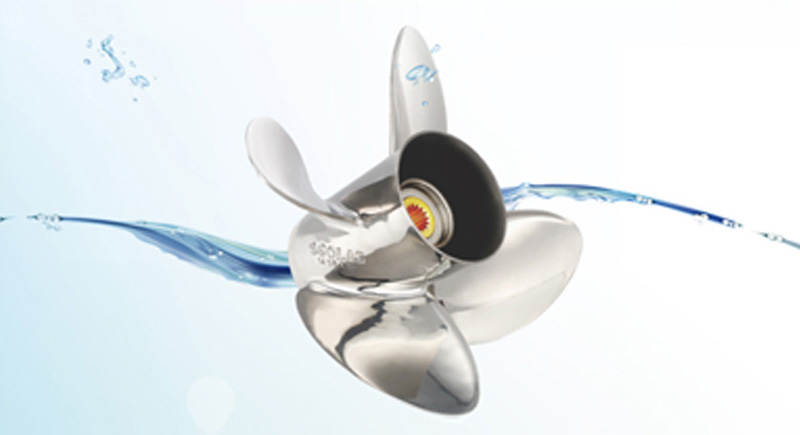
You might be a weekend angler chasing a better hole shot. Or a performance boater pushing for top-end speed. Maybe you need a solid replacement without paying OEM prices. Whatever your situation, knowing what Solas brings to the table helps. Their manufacturing standards, material choices, and blade engineering all matter — and so does how they compare to the competition. Get clear on those details, and your next propeller decision becomes much easier.
About Solas Propeller: What You Need To Know
Solas was founded in 1985 by Dr. Solas Y. J. Lin in Taiwan. For four decades, they’ve done one thing well — building propellers that serious boaters trust.

The numbers back that up. Solas offers over 1,000 blade variations across materials, sizes, and pitch configurations. That covers engines from 2.5 to 400 horsepower. You’ll find options for Outboard Motors, sterndrives, and personal watercraft. Few manufacturers come close to that range.
The squeeze casting process is what makes their Aluminum propellers stand out. This method produces a finer grain structure and near-zero porosity. Standard die-cast alternatives can’t match that. Their stainless steel line takes it further — using the highest percentages of chromium, nickel, and molybdenum in the industry. You get rust resistance and durability that holds up under real workloads.
Blade design gets the same attention:
-
3-Blade props prioritize top-end speed
-
4-blade props maximize thrust and smooth out cruising
-
Cupped blades reduce cavitation under heavy loads
-
Octagonal rubber hubs absorb vibration and cut down on slippage
Solas hits a balance that’s hard to find — real engineering at accessible pricing. That’s why their stainless propellers have become the top choice among sportsmen and performance enthusiasts worldwide.
What Is Solas Propeller? Brand Background and History
Solas launched with one goal — build propellers that perform. Dr. Solas Y. J. Lin founded the company in 1985 in Taichung, Taiwan. Since then, Solas has spent four decades building a reputation that stands on results, not promises.
That reputation didn’t come from marketing. It came from precision. Every Solas propeller gets machined to a deviation tolerance of less than 0.5 mm. That’s a tight standard. It takes serious manufacturing discipline to hit it every time. Each unit goes through salt spray testing, rubber torque validation, and dynamic balance checks before it ships. This isn’t a checkbox process — it’s a quality system built to catch problems before you feel them on the water.
Solas runs on eight core principles: Harmony, Honesty, Innovation, Excellence, Contribution, Value, Perpetuation, and Progress. These aren’t just words on a wall. You can see them in how the company builds its products. The in-house R&D division at headquarters goes beyond blade design. The team tests material composition and hardness, fine-tunes propulsion systems, and measures performance across three key areas:
-
Top speed
-
Acceleration
-
Fuel efficiency
Solas started as a regional Taiwan manufacturer. Today, it’s a recognized name in both OEM and aftermarket propellers across global markets. That growth came from solving real problems for real boaters — and doing it well enough, long enough, that the industry took notice.
Solas Propeller Manufacturing Standards: What Sets Them Apart
The difference between a good propeller and a great one comes down to manufacturing. Solas has spent decades refining every step of that process.
Casting Methods That Make a Real Difference
Solas uses two distinct casting processes. Each one matches the material it’s built for.

Aluminum propellers go through squeeze casting. This isn’t a small production detail. Look at the metal under 400x magnification — squeeze-cast aluminum shows near-zero porosity and a finer grain structure than standard die-cast parts. Fewer voids mean thinner, sharper blades. Sharper blades cut through water with less resistance. You feel that difference on the water.
stainless steel propellers use investment casting. Solas pairs this with some of the highest concentrations of chromium, nickel, and molybdenum in the industry. The result is a propeller that handles corrosion and impact stress better than most competitors’ stainless options.
Here’s something worth knowing: Solas aluminum propellers outperform regular stainless steel propellers from other brands in corrosion resistance. That’s not a typical outcome — it shows how deep their focus on material science runs.
Aluminum props also get a protective coating built for saltwater environments. This extends service life well beyond uncoated alternatives.
A Quality System Built Around Accountability
Solas holds ISO 9002 certification from the British Standards Institution and upgraded to ISO 9001 in 2003. They’ve also earned the Symbol of Excellence from the Taiwan government. These aren’t decorative credentials. Each one validates a production chain that covers:
-
Raw material composition verification
-
Hardness testing
-
Salt-spray corrosion testing
-
Dynamic balance machine testing
-
Rubber torque validation
-
Full start-to-finish component inspections
Every propeller clears each checkpoint before it ships. On top of that, Solas uses CAD, CAM, and CAE-driven tooling precision. Manufacturing tolerance stays under 0.5 mm deviation — across thousands of units, every time.
Solas Propeller Product Lines: Stainless Steel vs. Aluminum vs. Rubex
Three material lines. Over 1,400 blade choices. Engines from 2.5 to 350 horsepower covered. Solas built its product catalog around one simple truth: different boats need different propellers. Pick the wrong one, and you lose performance every time you leave the dock.
Here’s how each line breaks down — and which one fits your setup.
Stainless Steel: Built for Speed and Durability
Solas stainless steel propellers use some of the highest concentrations of chromium, nickel, and molybdenum in the industry. That combination delivers two clear advantages. First, it resists saltwater corrosion — the kind that destroys cheaper props within a season or two. Second, it cuts brittleness under stress, so the blade holds its shape through hard acceleration and rough water.
Less flex means more energy transfer. You get a stronger hole-shot, cleaner top-end speed, and solid resistance to impact damage when conditions turn rough.
Best for: Performance boaters, saltwater environments, high-RPM applications, top-speed priority.
Aluminum: Efficient, Lightweight, Cost-Effective
Solas aluminum props use a squeeze-cast process — and that process has a real effect on this product line. Thinner blades, lower weight, and near-zero porosity give you measurable gains in fuel economy, acceleration, and top speed compared to standard die-cast alternatives.
A four-layer baked paint system handles corrosion control. These props are also easier to repair than competitors’ aluminum options. Lower porosity means the material holds up better through refinishing.
Switching from aluminum to stainless? On a lower-horsepower engine (90 HP or under), drop 1 to 2 pitches to account for the difference in blade design and weight. On high-HP engines, match pitch for pitch.
Best for: Freshwater use, budget-conscious upgrades, fuel-sensitive applications.
Rubex: The Interchangeable Hub System
Rubex solves a problem most boaters don’t know they have — until a blade strike leaves them stranded.
Standard Solas propellers use a pressed-in rubber hub tied to the original engine hardware. Rubex swaps that out for an interchangeable hub system that works across a wide range of outboard and sterndrive engines. It’s compatible with Flo-Torq and Vortex-style hubs. The hub sells separately, snaps in and out with ease, and you can reuse it even after the blade takes damage.
That rubber hub deflects 10% in either direction. You get better shift dampening and vibration absorption than plastic hub competitors. On high-performance or high-horsepower engines, you’ll feel that difference on every run.
Rubex blades match standard Solas designs in diameter and pitch. So you’re not giving up performance to gain hub flexibility.
Best for: High-HP engines, performance builds, boaters who want a reusable hub system and faster post-damage recovery.
Quick reference:
|
Priority |
Recommended Line |
|---|---|
|
Top speed |
3-blade stainless steel |
|
Low-end power and grip |
4-blade Rubex |
|
Fuel efficiency |
Aluminum squeeze-cast |
|
Repairability and flexibility |
Rubex (reusable hub) |
Who Is Solas Propeller Best Suited For? Real-World Use Cases
Different boats need different things from a propeller. Solas knows that — and their lineup reflects it.
Recreational Anglers and Fishing Boats
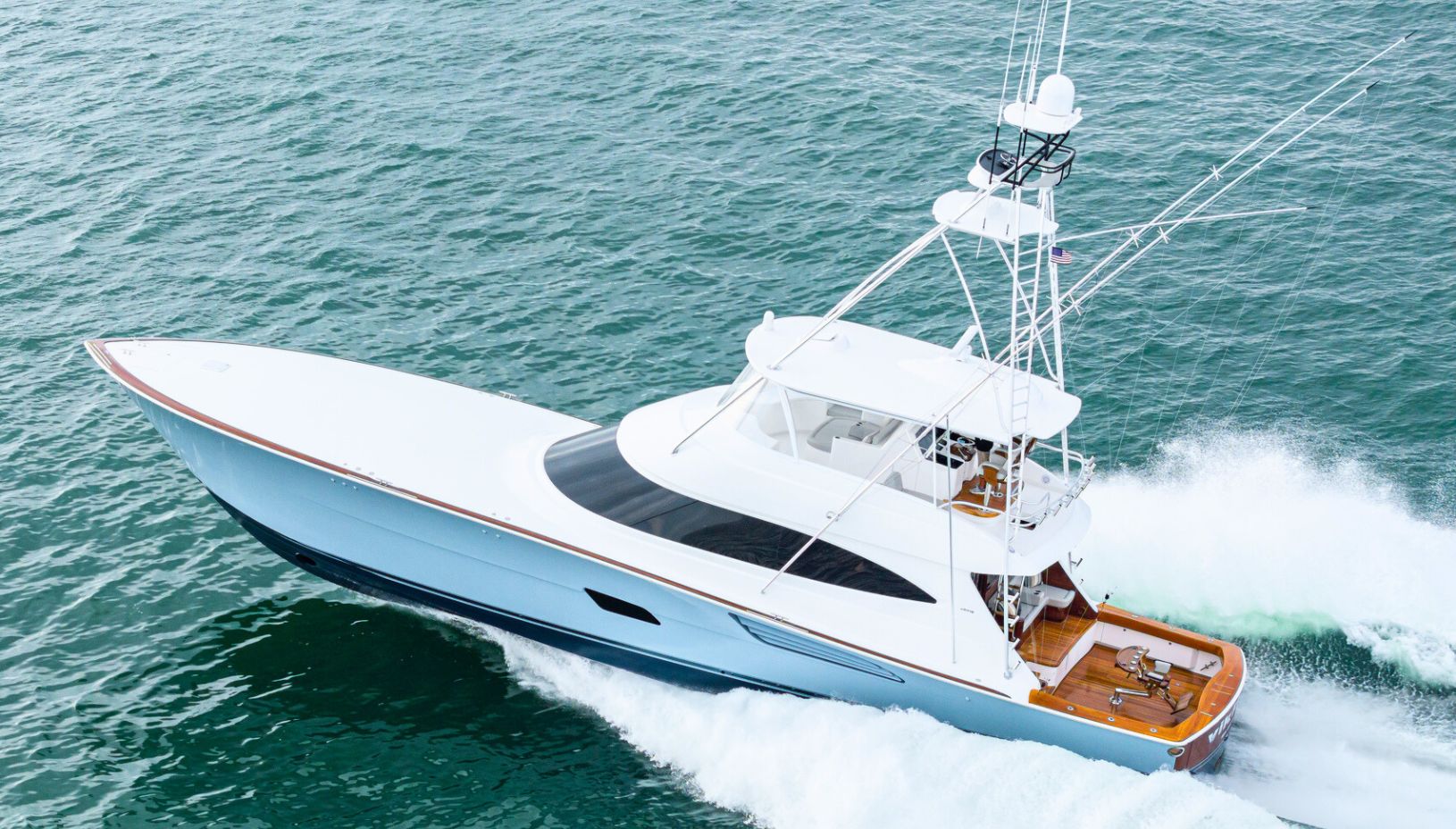
For fishing, the aluminum series is the practical choice. Squeeze casting gives the blades a tight grain structure and near-zero porosity. That means low-speed stability and good fuel efficiency — both critical during long, slow trolling runs. These props are also lighter, easier to repair, and coated to resist corrosion in freshwater and coastal conditions.
For setup, go with large-blade, low-pitch aluminum props. They produce strong bottom-end thrust. That’s what keeps a loaded fishing boat stable and easy to control at low RPM.
Water Sports and Skiing Enthusiasts
Speed and snap matter here. Solas stainless steel props carry high levels of chromium, nickel, and molybdenum. They hold up under hard throttle without flexing or wearing out.
For water skiing and towing, a 4-blade stainless Prop beats a 3-blade. You get faster acceleration, more thrust off the line, and smoother handling at cruising speed. All of that changes how the rope feels in a skier’s hands.
Ski-specific blade profiles push things further. The foil shape produces quick, predictable transitions between speeds.
High-Performance and Light Hulls
High-pitch props with cavitation relief holes pull out top-end speed on light, fast boats. Solas stainless steel has a stiff blade structure. Power moves from the engine to the water with less flex — and less flex means less energy wasted.
Commercial and High-Hour Applications
Commercial operators focus on total cost of ownership. Every Solas propeller clears a full set of quality checks before it ships:
-
Salt spray testing
-
Dynamic balance verification
-
Hardness confirmation
That level of durability cuts replacement frequency. Efficient production keeps prices below OEM. Over a full season, that cost difference adds up fast.
Engine Compatibility at a Glance
Solas carries one of the largest stocks of 3- and 4-blade props for 4-stroke engines. Coverage includes Yamaha, Honda, Suzuki, and Mercury outboards. Matching pitch to your hull and RPM range is simple:
-
Low pitch → heavier, larger boats that need torque
-
High pitch → smaller, lighter hulls Built for Speed
Solas Propeller vs. Other Brands: How Does It Compare?
Solas wins some comparisons by a clear margin and loses others by design. Knowing the difference keeps you from buying the wrong prop.
Solas vs. Mercury/Quicksilver
Mercury sets the benchmark for finish quality. Their leading edges are smoother. Their blades come more refined straight out of the box. Solas props can show square edges up to 1mm thick. So if surface finish is your top priority, Mercury holds the edge.
But finish and performance are two different things. Solas is built as an aftermarket alternative — not a factory replacement trying to pass as OEM. You want real-world performance gains without OEM pricing? That trade-off makes sense.
Solas vs. OEM Aluminum Props
This is where the data gets interesting.
One real test: a swap from a 19-pitch aluminum prop to a Solas stainless 17-pitch — a full two-pitch drop — still gained +300 RPM and +2 MPH top speed (31 to 33 MPH). Hole shot improved. Planing got faster.
How? Slip rate.
Aluminum props can lose up to 25% slip under load. Solas stainless holds around 10%. Less slip means more of your engine’s power goes toward moving the boat. That’s the mechanical reason a lower-pitch stainless prop beats a higher-pitch aluminum one on the water — not a spec sheet claim.
Solas vs. VIF Propellers
VIF brings decades of manufacturing experience to the table, delivering everyday quality that honestly rivals the bigger names. Need a standard replacement for your current setup? VIF has the exact fit for almost every common outboard brand out there. While Solas pushes premium niches, VIF focuses on proven, conventional durability. You get reliable performance on the water, but at a much more accessible price point that just makes sense.
The Bottom Linea
Solas isn’t the right fit for every boater.
-
Want a flawless factory finish? Mercury delivers a more polished product.
-
Chasing RPM gains, better hole shots, and lower slip — without paying OEM prices? Solas competes where it counts.
Pick based on what you’re actually after.
Key Performance Factors: How to Evaluate a Solas Propeller for Your Boat
Pick the wrong prop and your engine works harder for worse results. Pick the right one and everything — acceleration, fuel burn, top speed — falls into place. Four variables drive that decision.
Diameter and Pitch: The Baseline Numbers
Diameter controls thrust and drag. A larger diameter moves more water. That helps with stability and low-speed power. Smaller diameter cuts drag and opens up top-end speed.
Pitch controls the balance between speed and power. Higher pitch pushes top speed up. But your engine has to work harder to get on plane. Lower pitch gives you stronger acceleration. The tradeoff is a lower maximum speed.
One rule worth memorizing: every 1-inch change in pitch shifts WOT RPM by 150–200 RPM. Switching from a 3-blade to a 4-blade? Drop 1–2 inches of pitch to keep your RPM range intact.
Blade Count: Three vs. Four
3-blade props are the default for good reason — they balance top speed, efficiency, and responsiveness across most general-use scenarios.
4-blade props give up a little peak speed. In return, you get sharper hole shots, smoother planing, and more grip under heavy loads or rough water. Each individual blade is smaller, but the total blade area is larger. That extra surface area is what makes the difference.
Towing, rough conditions, or a loaded hull? Go four blades. Speed-first on a light boat? Three blades win.
Material: Aluminum vs. Stainless Steel
The choice comes down to how you use the boat, not just budget.
|
Factor |
Aluminum |
Stainless Steel |
|---|---|---|
|
Budget |
Lower cost |
Higher investment |
|
Use frequency |
Moderate |
High / frequent |
|
Best environment |
Saltwater, shallow water |
Deep water, premium durability |
WOT RPM: Your Built-In Feedback Loop
Run at Wide Open Throttle and check your tachometer. Compare that number against your engine’s recommended WOT range — aim for the midpoint or higher.
-
Below range → drop to a lower pitch prop
-
Above range → move up to higher pitch
-
High altitude operation → go lower pitch
From there, fine-tune engine height by raising the mount one hole at a time. Stop when performance drops, then back down one hole. Ventilation still showing up at low speeds? A larger diameter or a 4-blade prop will bring grip back.
Where to Buy Solas Propellers: Authorized Channels and What to Watch Out For
Getting the right prop from the right place matters more than most people realize. Counterfeit and gray-market propellers are real — and they look convincing right up until they fail.

Start at solas.com to verify authorized retailers by region. For the US and Canada, established online channels include:
-
Propeller Depot — stocks Titan, Rubex, and Saturn models; known for low prices and fast shipping (good to use as a price benchmark)
-
PartsVu — solid coverage for Yamaha, Mercury, MerCruiser, and Suzuki
-
Wholesale Marine — free shipping on orders over $99
-
Prop shop, BOATiD, Boat Prop Warehouse — broad engine compatibility
Before you order, get these details ready: engine brand, model year, horsepower, hub type (fixed or Rubex), and your diameter/pitch spec. Having all five cuts down on ordering mistakes.
Watch for red flags. Pricing more than 20–30% below market is a warning sign. Look at the packaging closely. Official Solas products carry clear branding and precision engineering marks. Not sure about a seller? Pull up the authorized retailer list at solas.com and check directly.
Conclusion
Solas has spent decades doing one thing well: building propellers that perform — without charging OEM prices to get there.
The manufacturing precision is real. Material quality holds up in the water. The product range covers everything from a weekend fishing skiff to a high-performance offshore setup.
Need a replacement or upgrade propeller? Want proven Solas propeller quality without second-guessing every dollar? Put this brand on your shortlist.
Your next move is simple:
-
Match your engine make, horsepower, and primary use case
-
Find the right Solas propeller pitch and diameter
-
Buy from an authorized dealer
Browse the full selection at VIF Propellers. Fitment guidance is built into the process, so you won’t be left guessing. Don’t just replace what broke — upgrade to what fits how you run.