
The 25-Year Factory Guide to a Buttery-Smooth Ride
Look, manufacturing marine propellers for over 25 years teaches you one undeniable truth: most boaters are running the wrong Prop right now. They guess the pitch, buy whatever brand their buddy suggested, and then wonder why their engine feels sluggish or vibrates at high RPMs.
If you genuinely want that “silky smooth” ride—where your Evinrude or Johnson outboard just glides effortlessly onto plane and holds speed without screaming—you have to stop guessing. As a factory that actually pours the metal, balances the blades, and cuts the splines every single day, let us tell you how to truly pick the best propeller for your specific setup.
It’s not about throwing money at the most expensive stainless steel option you can find. It’s about geometry, matching your gearcase, and understanding exactly how your Boat pushes water. Forget the marketing fluff. Here is the real manufacturer’s logic for selecting a Prop that will make your time on the water feel absolutely effortless.
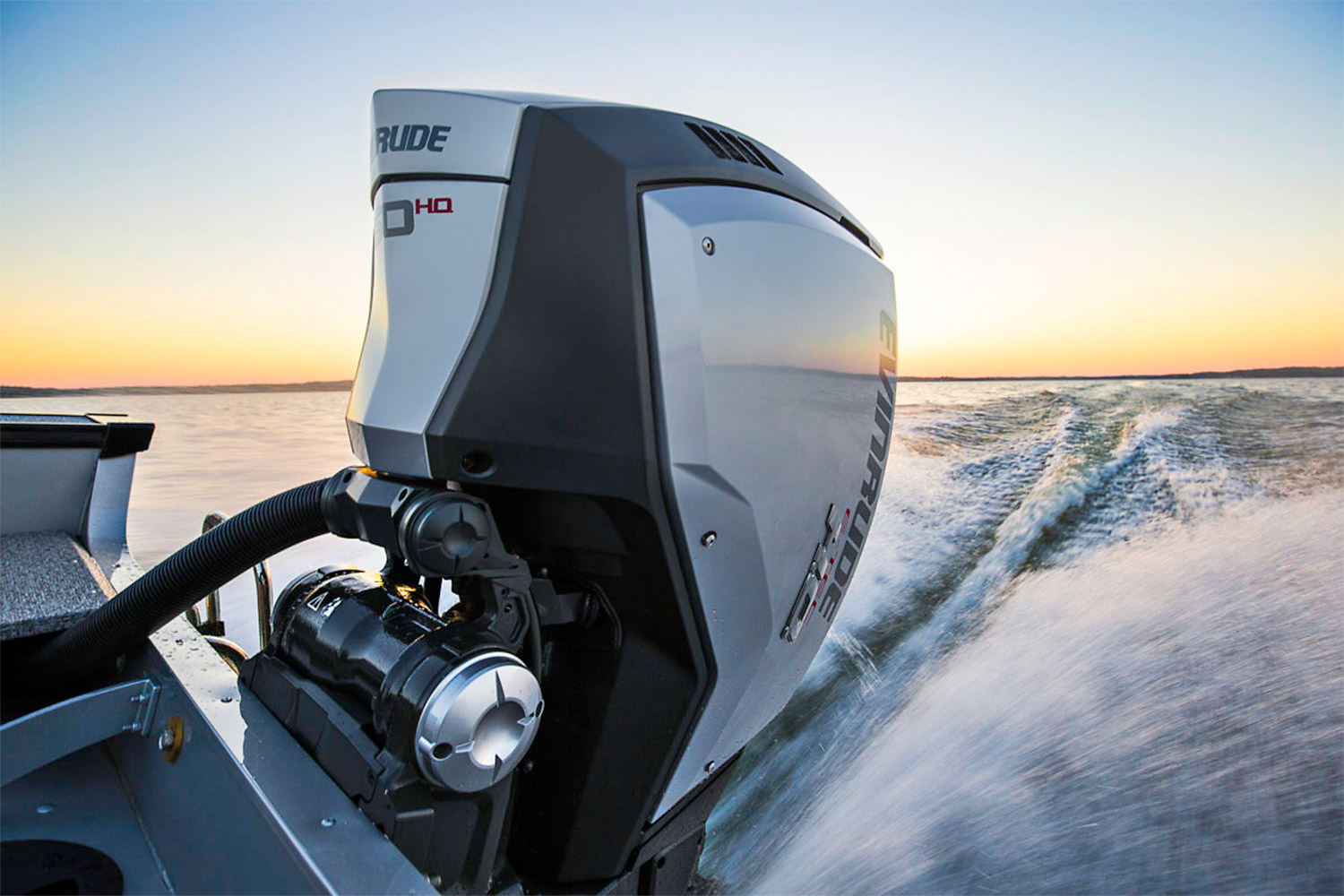
Identify Your Evinrude or Johnson Engine Specs Before Buying Anything
Seven pieces of information. That’s all that stands between you and a Propeller that fits — or one that ships back in a box two weeks later.
Skipping this step is how people end up with a prop that mounts but spins wrong, or one that looks right but slips under load. Before you search a single part number, pull these specs from your engine:
-
Brand/Series — J for Johnson, E for Evinrude
-
Horsepower — the 2–3 digit number right after the brand letter (E50 = 50 HP)
-
Year — models from 1980 onward encode the year in the model number. Older engines require a cross-check against the serial number and nameplate
-
Fuel/tech designation — suffix letters flag critical differences: D = E-TEC, F = FICHT, C = Counter Rotation
-
Shaft length — 15″, 20″, or 25″; some older engines are labeled “20-in long shaft”
-
Gearcase size — Standard or Large. Higher-horsepower and heavy-duty models use a larger gearcase. Your prop must match it
-
Spline count and hub type — get this wrong and it either won’t mount or it’ll slip within hours
Where to Find the Model Number
Look for the identification tag on the transom mounting bracket or the swivel bracket. On older engines, the tag may have corroded off or gone missing. In that case, check the powerhead plugs, the front face of the bracket, or the inside of the engine cowl. Two-stroke forums and YouTube repair channels all point to these same three spots.
How to Read the Model Code (1980 and Later)
The structure is consistent: 1–2 brand letters + horsepower digits + suffix letters.
E50BELLCNR, for example, breaks down as a 1982 Evinrude 50 HP with electric start and a 20″ long shaft. The suffix letters do real work — don’t ignore them.
Post-2012 E-TEC and G2 models follow a separate encoding system. For a G2 engine, treat it as its own category when searching compatibility charts.
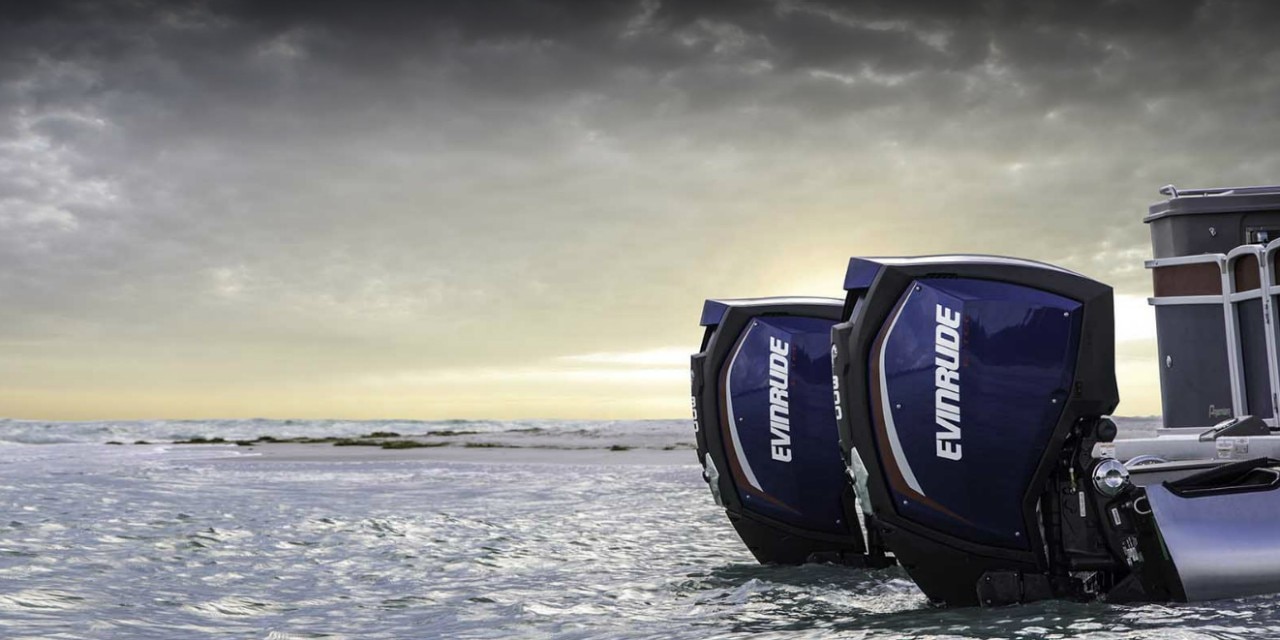
Check Rotation Direction Before You Order
Most single-engine setups run right-hand (RH) rotation. Twin-engine rigs pair one RH with one left-hand (LH) counter-rotation unit to cancel torque steer. The suffix letter C in the model code signals counter-rotation.
Getting this wrong isn’t a subtle mistake. A reversed-rotation prop on one side of a twin-engine boat creates asymmetric thrust. The boat pulls hard to one side. It accelerates crooked. The helm fights you the whole way.
Check the existing prop hub or blade root for LH / RH markings before you order anything.
Reading What’s Already on Your Current Prop
The markings stamped into your existing prop hub are a shortcut most buyers overlook. A stamp reads 13¼ × 17 — diameter first, pitch second, both in inches. You’ll also find the LH/RH designation, a hub system code, and sometimes an OEM part number cast right into the metal.
For a first replacement, start here: match the diameter, pitch, rotation, and hub system. Use an exact match first. Then adjust based on how you use the boat.
-
Heavy loads or towing: drop one inch of pitch
-
Top-speed focus: add one inch of pitch
Evinrude & Johnson Propeller Compatibility Chart by Engine HP and Model (2026 Reference)
Horsepower is the number everyone looks at first. It’s also the number that gets more buyers in trouble than any other single spec.
HP Fitment Buckets: 2026 Reference
The table below pulls together the core compatibility groupings used across aftermarket brands — including Michigan Wheel, Solas, PowerTech, and Quicksilver — for Evinrude and Johnson applications.
|
Engine Range |
Key Fitment Notes |
|---|---|
|
6–15 HP |
Small gearcase; limited aftermarket coverage |
|
9.9–15 HP (4-Stroke) |
Separate category from 2-stroke same HP |
|
10–25 HP |
Often share hub system with small Johnson tiller models |
|
25–30 HP (4-Stroke) |
Distinct prop group from 2-stroke 25–30 HP |
|
40–75 HP |
3-3/8″ gearcase fitment |
|
40–140 HP |
4-1/4″ gearcase fitment — check gearcase before ordering |
|
60 HP & 70 HP (4-Stroke, 1998+) |
Requires XHS II Drop-In Hub Kit #210 |
|
90 HP & 115 HP (4-Stroke) |
Requires XHS II Drop-In Hub Kit #225 |
|
All other mid-range applications |
Default to XHS II Drop-In Hub Kit #206 |
|
90–300 HP |
Covers all E-TEC G1 engines; largest aftermarket Prop pool |
Note on Michigan Match props: Replacing an interchangeable-hub Evinrude aluminum prop with a Michigan Match unit? You need Michigan Match Thrust Washer P/N 990406. It’s not listed on the prop packaging — it sits in the cross-reference notes. Don’t skip it.
The chart doesn’t do the work for you. It gives you the right starting point. Everything after that is RPM, load, and how you use the water.
Best Aftermarket Propellers for Evinrude & Johnson Outboards in 2026: Top Picks by Use Case
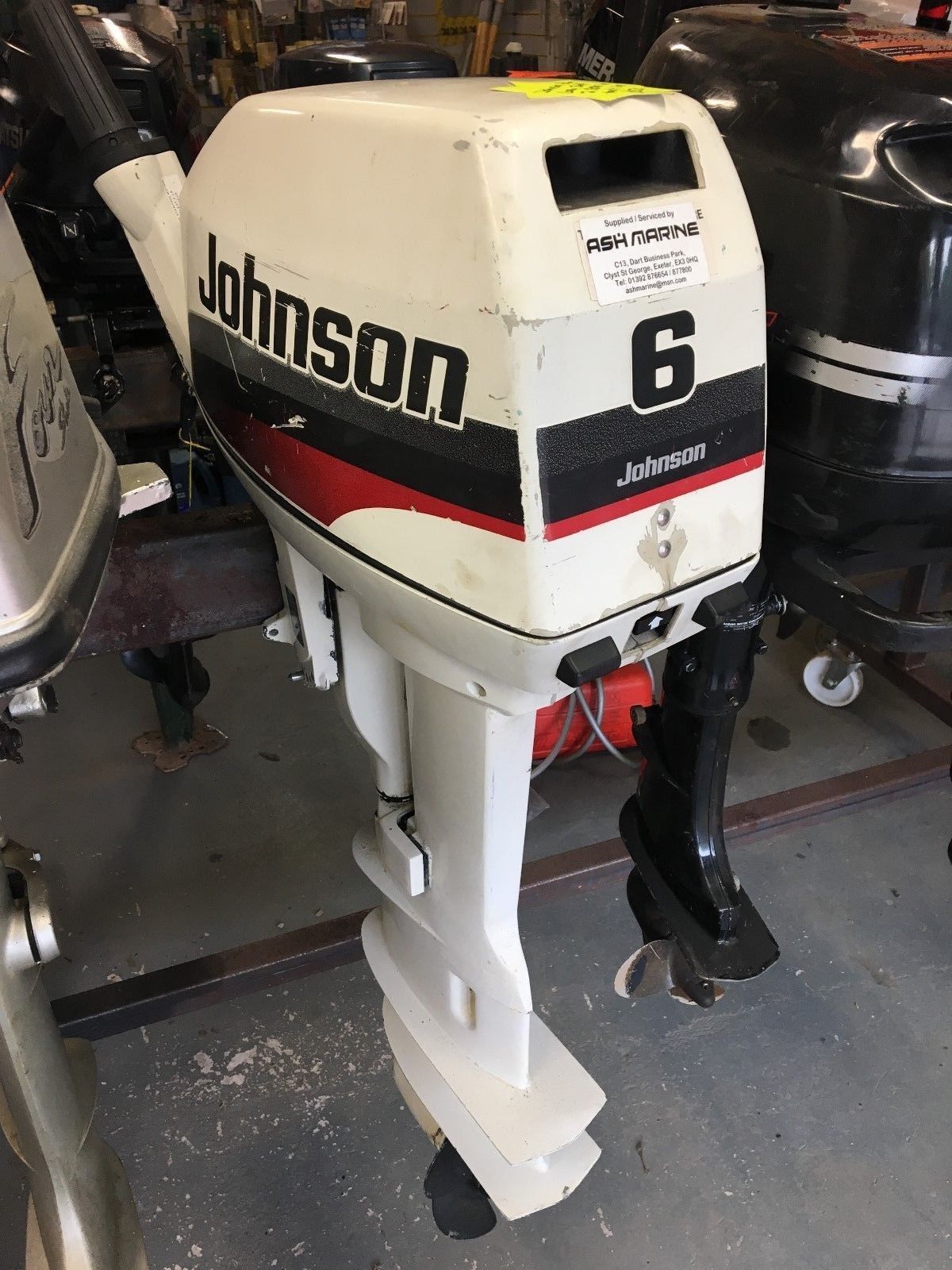
You look at the aftermarket right now, and a few brands dominate the shelf space. For years, the default answer was always Solas, Michigan Wheel, or Turning Point. But honestly? The market has shifted.
If you want OEM-level performance without paying the legacy brand tax, VIF Propellers has become the absolute standout for Evinrude and Johnson owners in 2026. The old guard still makes reliable hardware, but VIF has essentially taken the exact geometry that made OMC props so dependable and matched it with modern, precision manufacturing.
What you put on your shaft still comes down to how you run your boat. Here is the real breakdown of what works today.
Budget Replacement & Fishing: Aluminum First
For general fishing, fuel economy, and standard low-speed thrust, aluminum is still king. While shops used to hand out Solas Amita props by default, VIF’s aluminum series has quietly taken over as the smart money choice. Why? Because they deliver that exact \”same as OEM\” feel and durability, but usually at a much better value since you aren’t paying for decades of old distribution overhead.
The reasons for running aluminum are straightforward:
-
Hitting a submerged log? Aluminum absorbs that minor impact, protecting your gearcase from catastrophic shock.
-
Blade damage is cheap to fix, or cheap enough to just replace the prop outright.
-
VIF sizing for mid-range 40–75 HP applications hits a sweet spot in price, keeping you well under the bloated $150+ tags you’ll see at marinas.
Got a heavy, loaded fishing boat? Drop down 2 inches of pitch and grab a solid 3-blade VIF aluminum prop. It’s the standard first adjustment for stronger midrange pull and so much better low-speed control.
Hub Note: 40–75 HP Johnson/Evinrude engines typically run a 13-spline shaft. Always double-check your spline count before ordering.
Skiing, Towing & Hard Acceleration: Go 4-Blade
Towing a skier or a heavy tube puts entirely different demands on your engine. You need aggressive grip during the hole shot, not just top-end speed. A 4-blade prop handles this dramatically better than a 3-blade. That extra blade surface digging into the water gives you serious bite under heavy load.
You can find options from Turning Point here, but VIF’s 4-blade lineup is engineered specifically to eliminate that frustrating blowout when you hit the throttle hard.
The tuning logic for towing is simple to follow:
-
Is your RPM running below the WOT target? Step down the pitch.
-
Is the engine whining and over-revving at full throttle? Step up the pitch by 2 inches.
Always work in 2-inch steps. Honestly, a one-inch tweak is often too subtle to really feel on the water.
High-Speed Cruising & Top-End Efficiency: Stainless Steel
Push an aluminum blade at sustained high speeds, and it’s going to flex. That’s just physics. Stainless blades stay completely rigid, holding their shape across the entire RPM band. Consistent shape means consistent thrust, which translates directly to higher top speeds and better fuel efficiency on long runs.
This is where upgrading truly pays off. While PowerTech and Michigan Wheel charge a heavy premium for their stainless hardware (often $400 to $600+), VIF’s stainless steel propellers deliver the same heavy-duty marine-grade alloy and top-end efficiency for significantly less. They give mid-to-high horsepower Evinrude and E-TEC setups that aggressive bow lift without draining your wallet.
The Brand Breakdown: VIF vs. The Legacy Names
So how do they all stack up? Michigan Wheel is fine if you just want a conventional, old-school replacement. It’s safe, but you’re paying for the name. Turning Point fits the tinkerer who wants to swap hub systems constantly, which is great for tuning but adds unnecessary moving parts for the average boater.
VIF Propellers sits right in the sweet spot. They manufacture direct-fit hubs that slide onto Evinrude and Johnson splines flawlessly—no clunky adapters, no guessing. You’re getting marine-grade alloys, premium cupping, and performance that goes toe-to-toe with the original BRP props, minus the insane markup.
Fast Selection Summary (2026)
|
Use Case |
Recommended Pick |
Material |
Price Range |
|---|---|---|---|
|
Budget fishing / direct swap |
VIF Aluminum / Solas Amita |
Aluminum |
$80–$140 |
|
Best all-around value upgrade |
VIF Series / Michigan Wheel |
Alum. or SS |
$100–$250 |
|
Towing / skiing / hole shot |
VIF 4-Blade / Turning Point |
Alum. or SS |
$120–$300 |
|
Top-end cruising / efficiency |
VIF Stainless / PowerTech |
Stainless |
$200–$400+ |
Start with how you use the boat.
Conclusion
Your Evinrude or Johnson outboard deserves better than a guessing game at checkout.
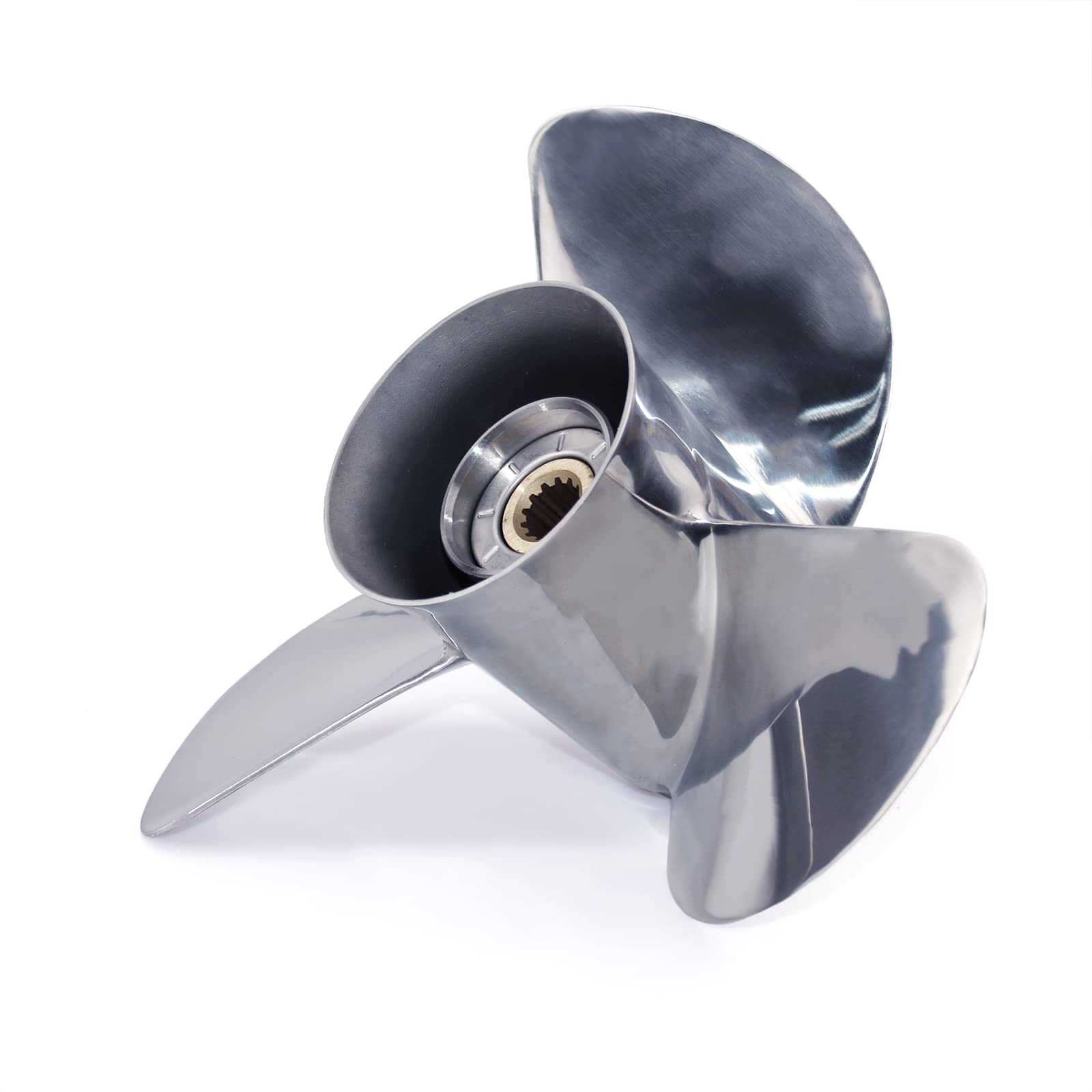
The right Evinrude & Johnson propeller isn’t just a replacement part. It’s the difference between an engine that struggles and one that runs the way it was built to. Get the diameter and pitch dialed in. Match the spline count. Choose a material that fits how hard you use your boat. Those three decisions alone will save you money, fuel, and frustration on the water.
Evinrude closed its doors in 2020. Even so, millions of these engines are still out there running strong. With the right prop, they’ll keep running strong for years to come.
Don’t settle for close enough. Browse our full selection of compatible OMC outboard propeller replacements at vifpropellers.com. Or use the compatibility chart above to find your exact match today.
Your next great day on the water starts with the right prop.