
2 Cycle Vs 2 Stroke: Is There Any Difference?

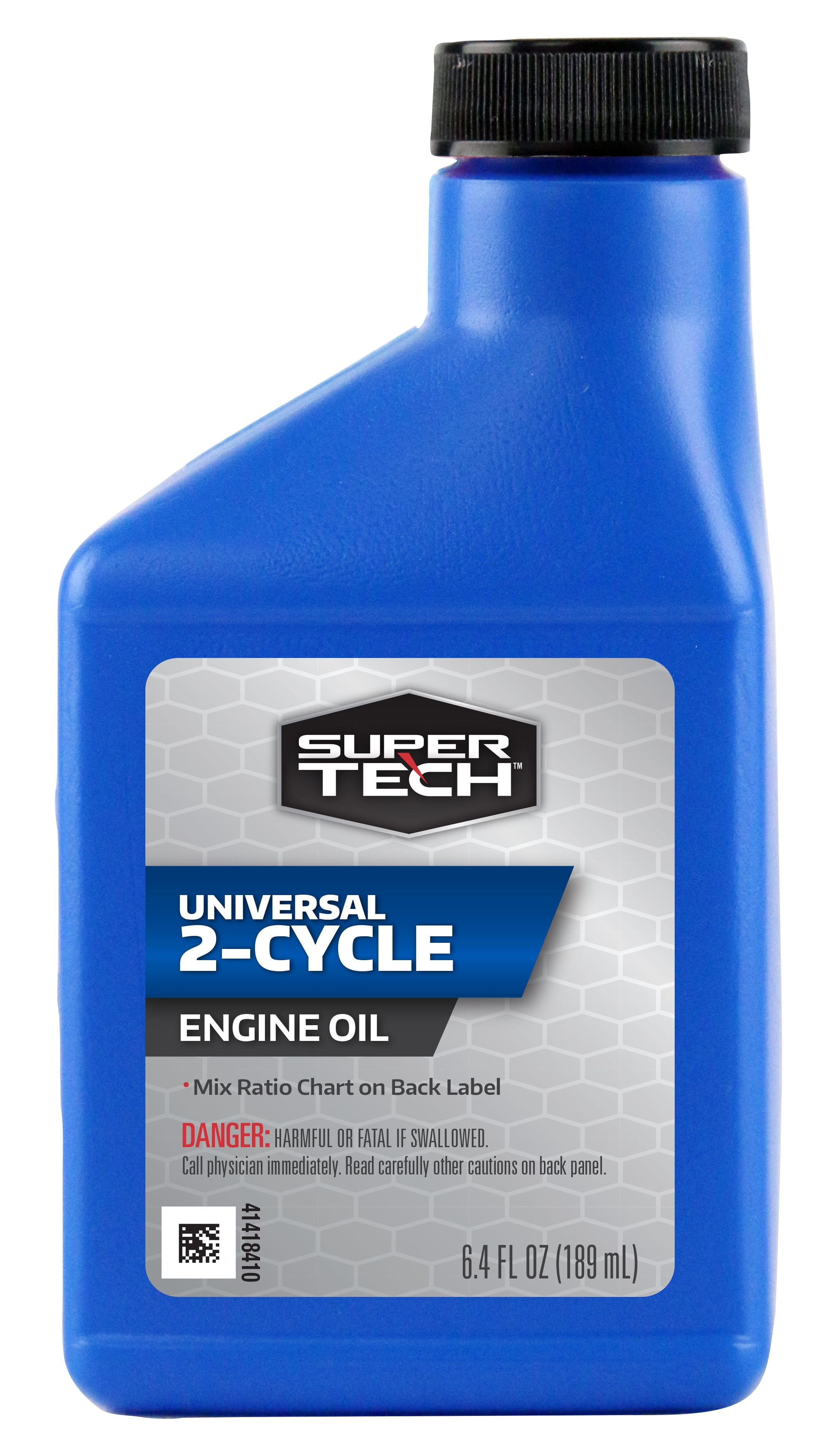
You’ve seen both terms thrown around: 2-cycle and 2-stroke. Maybe you’re standing in the marine aisle looking at two different oil bottles, wondering if you’re missing some crucial engineering secret. You aren’t. They are exactly the same thing.
The confusion comes down to history, not mechanics. But if you own a Boat, getting the oil right and understanding how your motor works still matters. Let’s clear this up once and for all.
The Short Answer
The answer is simple: No. They are identical.
A two-stroke engine completes one full power cycle in two piston strokes and one crankshaft revolution. Decades ago, technical writers couldn’t agree on terminology. One group called it a “one-cycle” engine (based on the crank), while others called it “two-stroke” (based on the piston). Over the years, the market just mashed the words together. Today, retail packaging says “2-cycle” or “2-stroke” interchangeably.
What the Terms Mean — Side by Side
|
Feature |
2-Stroke / 2-Cycle Engine |
4-Stroke Engine |
|---|---|---|
|
Piston strokes per cycle |
2 |
4 |
|
Crankshaft revolutions |
1 |
2 |
|
Spark plug fires |
Every revolution |
Every other revolution |
|
Lubrication |
Oil mixed with fuel |
Separate crankcase oil sump |
The only distinction you actually need to care about is between two-stroke oil and four-stroke oil. Two-stroke engines burn their oil along with the fuel. Regular automotive 4-stroke oil isn’t built to burn. Put that in your outboard mix, and you’re buying a one-way ticket to fouled plugs and severe engine damage.
The Short Answer: 2 Cycle and 2 Stroke Mean the Same Thing
Major manufacturers agree. As Cub Cadet states in their official support documentation:
“The terms ‘two-cycle’ and ‘two-stroke’ are interchangeable.”
Why do oil brands print “2-stroke / 2-cycle engine oil” on the same bottle? Because half their customers search for one term, and half search for the other. It’s a deliberate choice to eliminate confusion at the checkout counter.

2 Stroke vs 4 Stroke Boat Engine: What Actually Matters
Now that the naming debate is dead, which engine actually belongs on your transom? It comes down to what you do on the water.
Power, Weight, and Fuel
-
The Weight Advantage: A 2-stroke outboard is roughly 30% to 40% lighter than a 4-stroke at the same horsepower. Because they fire on every revolution, they deliver explosive hole-shot acceleration. If you have a light aluminum skiff, a 2-stroke gets you on plane instantly.
-
The Efficiency Factor: Modern 4-strokes burn 20% to 30% less fuel and are significantly quieter. They deliver smooth, sustained torque, making them perfect for heavier hulls and long offshore cruising.
-
The Middle Ground: Don’t count out modern Direct Injection (DI) 2-strokes (like the Evinrude E-TEC). They inject fuel directly into the cylinder, closing the fuel-efficiency and emissions gap while keeping that classic fast throttle response.
💡 Want to maximize that 2-stroke acceleration?
Honestly, you can have the best-tuned 2-stroke in the marina, but if your Propeller is chewed up or pitched wrong, you are literally throwing horsepower away. A quick Prop upgrade can transform a sluggish Boat into a rocket.
🎯 Find the Perfect propeller for Your Engine Setup ->
Which One Fits Your Situation?
|
Your Boating Style |
Better Choice |
|---|---|
|
Small inflatable / light fishing boat |
Two-stroke (Lighter, faster to plane) |
|
Slow trolling / Long-distance cruising |
Four-stroke (Fuel efficiency, less noise) |
|
Waterskiing / Tow sports |
Two-stroke DI (Aggressive hole-shot) |
Practical Implications: Choosing the Right Oil and Parts
Walking into a marine supply store shouldn’t be a guessing game. Here is how to maintain your 2-cycle outboard without making expensive mistakes.
Ignore the Label, Read the Spec
The big, bold text on the front of the oil bottle doesn’t matter. What matters is the small print on the back. For any water-cooled outboard motor, you must use oil with the NMMA TC-W3 certification. This ashless formula is specifically designed to protect marine engines under sustained load.
Quick Buying Checklist
Before you buy parts or fluids, run through this list:
-
✅ Engine type confirmed: 2-stroke / 2-cycle.
-
✅ Oil certification: NMMA TC-W3 for marine use.
-
✅ Correct Ratio: Confirmed 50:1 (or manufacturer spec).
-
✅ Hardware: Ensure spark plugs and filters specifically say 2-stroke.
-
✅ propeller: Match the diameter, pitch, and spline count to your specific engine model. Not sure what specs you need? Let our Prop Finder tool help you choose.
FAQ: Common Questions
Q: Is 2-cycle oil the same as 2-stroke oil?
A: Yes. Both refer to oil meant to burn with your fuel. Just ensure you match the certification to your engine (TC-W3 for boats; JASO FD for land tools).
Q: Is a 2-stroke engine more powerful than a 4-stroke?
A: Pound-for-pound, yes. Because it fires twice as often (every revolution), a 2-stroke produces higher peak horsepower per liter. However, 4-strokes often win on low-end torque and fuel economy.
Q: What happens if I use 2-stroke premix in a 4-stroke engine?
A: It will clog your fuel filters and leave heavy carbon deposits on your valves. Drain the tank immediately and refill with straight gasoline.
Conclusion
Let’s put the debate to rest: 2-cycle and 2-stroke are the exact same engine. It’s just different terminology from different eras.
Knowing this makes your life easier. Whether you’re at the parts counter asking for TC-W3 oil or cross-referencing maintenance manuals, you can confidently buy what you need without second-guessing.
Your two-stroke outboard is a lightweight, aggressive piece of engineering. Treat it right, feed it the correct oil mix, and make sure your propulsion system isn’t holding you back. If your RPMs run too high, or you’re struggling to jump on plane, it’s time to test a fresh propeller.
Ready to Bring Your Boat to Life?
Stop losing top-end speed to a chewed-up or mismatched prop. Browse our premium selection of aluminum and stainless steel propellers engineered for your specific outboard.
Shop VIF Propellers Now 👇