
Every Boat Propeller fights a constant battle against the water it spins through — but not all water fights the same way.
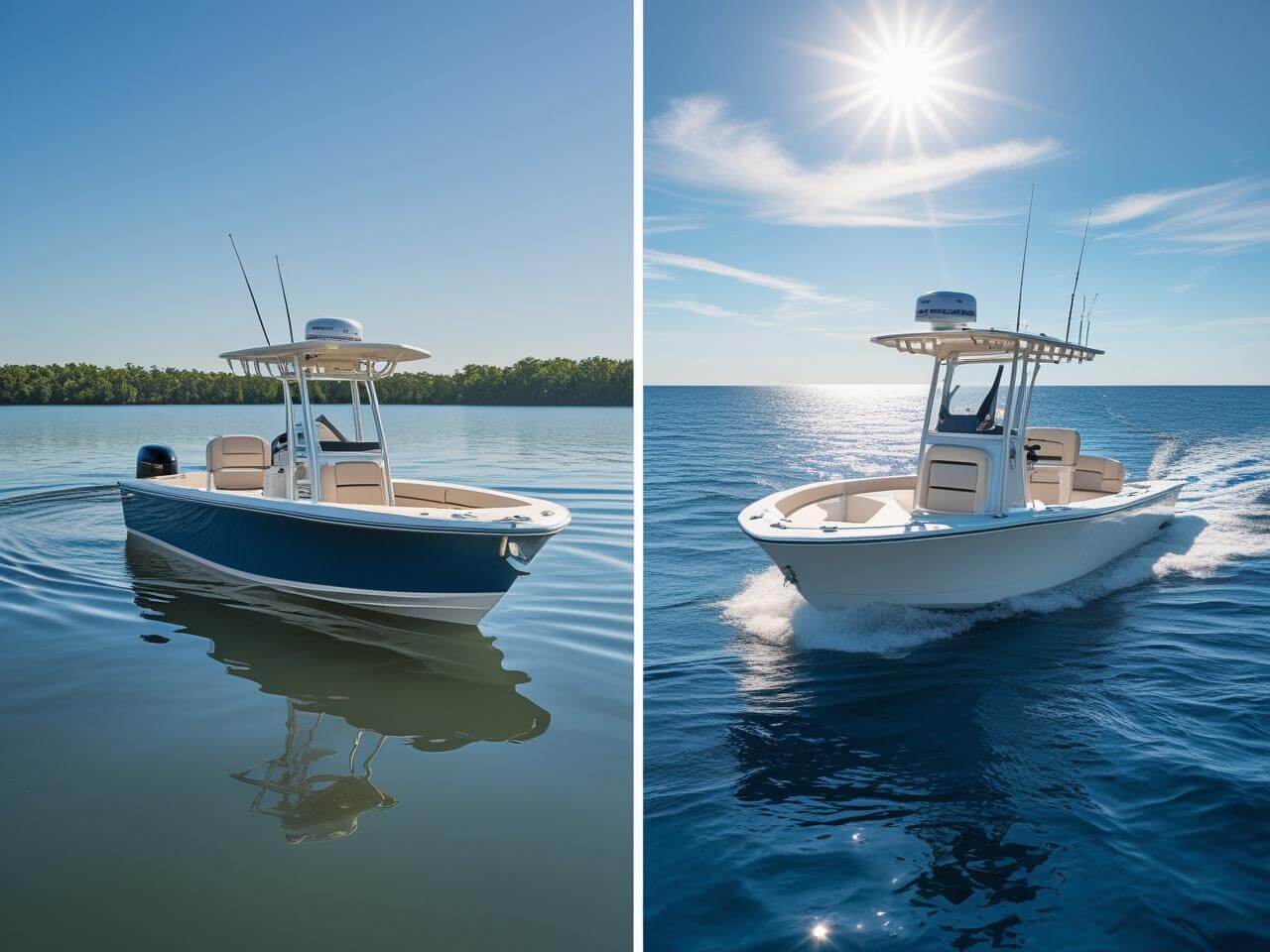
Salt corrodes metal. Electrochemical reactions speed up material breakdown. A propeller that runs clean on a freshwater lake can fall apart within a single season in the ocean.
Outfitting a new vessel? Replacing a worn Prop? Dealing with corrosion you can’t pin down? The material and design of your propeller matters far more than most boaters ever consider.
This guide covers the real differences between saltwater and freshwater propellers. You’ll get a clear breakdown of:
-
Blade materials and what holds up best in each environment
-
Corrosion resistance and why saltwater demands more from your Prop
-
Maintenance demands and how they differ between the two
-
How to match the right prop to your water type before it costs you
Content Framework: Saltwater Vs Freshwater Boat Propellers
Saltwater is denser than freshwater — 2 to 2.5% denser. That small number has real consequences for every boat crossing between the two.
That density gap changes how a hull sits, how a propeller bites, and how fast metal breaks down. Take a boat running 16.5 knots at 2000 RPM with factory 28×31 props in saltwater. Put that same setup on a freshwater lake, and the boat feels sluggish. The physics change. The performance drops with it.
But speed isn’t the real problem. Corrosion is.
Saltwater eats through metal up to 10 times faster than freshwater. That’s not a marketing claim. Chloride ions attack electrochemical bonds on every exposed surface — propeller blades, hull fittings, cooling passages, drive components. The damage starts the moment you leave the dock.
So saltwater vessels are built from the ground up with that in mind:
-
Closed cooling systems — keep saltwater out of the engine altogether
-
Mercathode systems — fight galvanic corrosion head-on
-
Deeper V-hulls — built for open water, not calm inland lakes
-
Regular deep cleaning schedules — stop barnacle and marine organism buildup before it starts
Freshwater boats skip most of that. Open cooling systems, shallower drafts, little to no anti-corrosion protection. That setup works fine on a lake. Take a freshwater vessel offshore, though, and it absorbs punishment it was never built to handle.
The propeller itself can run in both environments. The boat systems around that propeller are a different story.
What Makes Saltwater and Freshwater Environments So Different for Propellers?

The ocean is not just water with extra seasoning. It is a chemically aggressive environment. Exposed metal becomes raw material — broken down, consumed, and claimed.
Freshwater carries less than 1% dissolved salts. The ocean runs at 3.5%. That gap sounds small until you see what dissolved sodium chloride does to metal at a molecular level. NaCl splits into ions in solution. Those ions act as electrolytes. They fuel the electrochemical reactions that destroy metal surfaces. More ions mean better conductivity. Better conductivity means faster corrosion. Saltwater corrodes metal up to 10 times faster than freshwater — not because the salt eats metal directly, but because it supercharges the galvanic process that does.
Density, Performance, and the Physics You Can’t Ignore
Saltwater is also heavier. That 2 to 2.5% density advantage over freshwater changes how a propeller interacts with the water column on every rotation.
In saltwater, a boat sits higher in the water. The prop bites with less resistance — about 2 to 2.5% less slip per revolution. You feel that difference in real performance. A boat running 16.5 knots at 2000 RPM with 28×31 props in saltwater will feel sluggish pulling those same props through a freshwater lake. The physics are fixed. They don’t bend.
Biofouling: The Damage That Builds in Silence
Corrosion is the visible enemy. Biofouling is the quiet one.
Saltwater accelerates barnacle and marine organism attachment at rates 5 to 10 times higher than freshwater. That biological buildup does more than look bad. It erodes blade surfaces, disrupts pitch geometry, and piles onto existing corrosion damage underneath the growth. Leave it unmanaged, and biofouling drives blade wear 3 to 5 times faster per year than freshwater algae accumulation.
A freshwater prop rinsed after every use can last 4 to 7 years on an inland river. That same unprotected prop in coastal saltwater? Corrosion alone cuts that lifespan in half — down to 2 to 3 years — before blade pitting forces a replacement.
That is the real difference. Not just chemistry. Not just density. The ocean stacks every threat at once, and your propeller blade material determines how long it holds up.
Freshwater Propeller Materials: Why Aluminum Often Makes More Sense
Aluminum gets dismissed too fast. Boaters who upgrade to stainless steel tend to treat aluminum as the beginner option — something you move past. In freshwater, that mindset costs you money without giving you much back.
Here’s the real picture: Aluminum propellers are the standard choice for engines between 30 and 70 hp. That range covers most small to mid-sized freshwater boats on inland lakes and rivers. They come in at one-third the weight of a comparable stainless steel propeller. That lighter build spins up faster, cuts takeoff lag, and helps planing hulls get on step without straining the motor.
The price gap is hard to ignore. Aluminum propellers run about one-third the cost of stainless alternatives. For recreational freshwater use — fishing trips, weekend cruising, casual lake outings — there’s little reason to spend more.
The Damage Argument Most Boaters Don’t Consider
Shallow freshwater is full of rocky bottoms, submerged debris, and hidden obstructions. An aluminum propeller blade that hits something solid will flex and absorb the impact. The prop takes the hit. The shaft and seals stay protected.
That’s not a weakness. That’s the design doing its job.
A stainless steel prop in the same situation sends the force straight into the drivetrain. The prop holds up. The motor components behind it might not.
Where Aluminum Starts to Struggle
The trade-offs become obvious at higher power levels. Aluminum blades are thicker than stainless equivalents. At sustained high RPMs, that extra thickness causes real problems:
-
Increased drag pulls top speed down in a noticeable way
-
Blade flex under load reduces effective pitch and bleeds off efficiency
-
Cavitation risk rises as thick blades disrupt water flow around the hub
These issues hit hardest on 75+ hp engines running near full throttle on a regular basis. For that kind of use, aluminum is no longer the right call.
For a 50 hp outboard motor propeller on calm freshwater, though? Aluminum gives you what the job needs — at a price that leaves budget for fishing gear, not just boat hardware.
Can You Use a Freshwater Propeller in Saltwater (And Vice Versa)?
The short answer is yes. The real answer: it depends on how much damage you’re willing to accept.
A freshwater propeller will spin in saltwater. The blades still bite. The boat still moves. But the ocean doesn’t care about your prop’s original design — it starts breaking it down the moment you leave the dock.
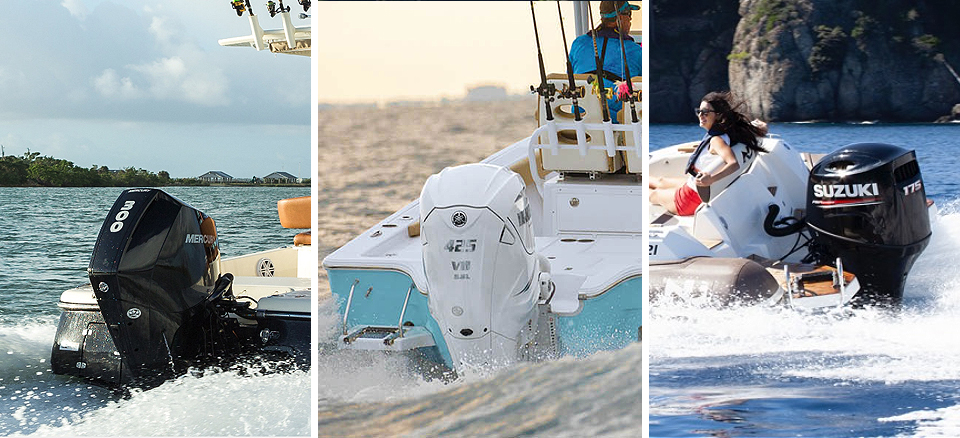
The core problem is anode incompatibility. Freshwater propeller setups run magnesium anodes. Those anodes are built for low-conductivity environments. Drop them into saltwater, and they burn through fast — sometimes failing within a single season. That leaves your lower unit with zero protection. Swap to zinc or aluminum anodes before any saltwater exposure. That one step buys real protection and buys time.
Beyond the anodes, there’s the cooling system. Most freshwater engines run open raw-water cooling. That system pulls surrounding water straight through the engine. In saltwater, those internal passages build up salt deposits, speed up corrosion, and cut your impeller life from a typical 10-year freshwater cycle down to under 4 years. Flush the engine with freshwater after every saltwater run — this isn’t optional maintenance. It’s the difference between an engine that lasts and one that doesn’t.
Running a Saltwater Prop in Freshwater
This direction is far less risky. A salt-rated propeller — built with corrosion-resistant alloys and fitted with zinc or aluminum anodes — runs fine on inland lakes and rivers. The anodes offer minimal protection in low-conductivity freshwater, but they cause no harm. No blistering. No accelerated wear. No long-term damage.
The trade-off is performance. Freshwater is less dense than saltwater. Your boat sits a bit lower, and top speed drops by about 1 to 2%. Measurable, not catastrophic.
Running Both Environments
Boaters who split time between coastal water and inland lakes — bay boats trailering to Lake Lanier, for example — don’t need two separate prop sets. A quality salt-rated propeller handles both environments. The upfront cost is higher, but skipping the swap is worth it.
Four steps for running a freshwater prop in salt on occasion:
-
Swap magnesium anodes to zinc before saltwater use; check them every 3 to 6 months
-
Flush the engine with freshwater after every saltwater outing
-
Put dielectric grease on all electrical connectors before exposure
-
Check the impeller every year — salt exposure cuts its service life fast
The propeller itself may survive the crossing. Whether everything connected to it does comes down to what you do before and after.
Maintenance Requirements: Saltwater vs Freshwater Propeller Care
The water you boat in doesn’t just affect propeller performance — it shapes how you care for it, and how often.
Saltwater and freshwater each attack your boat in different ways. Each one demands a different maintenance response. Get it wrong, and the costs add up fast.
Saltwater: Maintenance Is Not Optional
Saltwater corrodes metal up to 10 times faster than freshwater. That’s not a number you can ignore. You’ll see it in your anode condition, your blade surface, and your cooling passages — season after season.
The one rule you can’t skip: flush your engine with fresh water after every single saltwater run. Five to ten minutes. Every time. Salt sitting in cooling passages won’t wait for you to get around to it.
Past flushing, saltwater maintenance follows a tight, specific schedule:
-
Salt removal sprays — apply to hard-to-reach areas and electrical connections after each outing; this clears residue before it starts doing damage
-
Corrosion inhibitors — coat engine systems and internal parts; pick marine-grade formulas built for this kind of exposure
-
Sacrificial anode checks — inspect every 3 to 6 months in high-salinity water; a worn-out anode leaves your lower unit with zero protection
-
Hull inspections — barnacles and marine organisms attach fast in saltwater; scrape and brush them off early, before the growth makes the corrosion underneath worse
-
Anti-fouling paint — apply to the hull and keep it fresh on a set schedule; this holds back marine growth before it throws off propeller pitch and blade shape
One more number to keep in mind: saltwater boats over 10 years old need formal marine surveys. The harsh environment speeds up structural wear in ways you can’t always spot from the dock.
Freshwater: Fewer Threats, Different Ones
Freshwater is easier on metal. That’s true. But easier doesn’t mean maintenance-free. The threat just shifts — from corrosion to mineral buildup.
Calcium and magnesium deposits build up inside cooling pathways over time. Left alone, those deposits cut cooling efficiency and push engines toward overheating. Thermostats and sensors foul out. Readings go off. Performance drops bit by bit before anything looks noticeably wrong.
Freshwater maintenance priorities:
-
Periodic de-scaling flushes — use mineral-removing solutions matched to your local water hardness; follow the manufacturer’s intervals, not guesswork
-
Descaling agents — apply on a set schedule to stop clogging in cooling passages before it builds into a real restriction
-
Thermostat and sensor cleaning — remove and clean on a schedule tied to your engine model; don’t wait for a breakdown to flag the issue
The pace is slower overall. Freshwater boats run 15 to 25 years before marine surveys become critical — compared to 10 years for saltwater vessels. Cleaning intervals stretch out longer. Marine growth builds up at a fraction of the saltwater rate.
That slower pace is an advantage. It’s not a reason to skip the work.
How to Read the Warning Signs
Both environments send signals before the damage gets serious. The patterns just differ by water type.
In saltwater, watch for:
– Propeller pitting and surface corrosion — early-stage electrolysis damage on stainless steel and aluminum propeller blades
– Visible barnacle and algae buildup throwing off blade geometry
– Metal parts breaking down around the hub and lower unit
In freshwater, watch for:
– Reduced fuel efficiency and speed — often the first sign of mineral-clogged cooling passages
– Engine overheating that wasn’t there before
– Sensor failures and erratic thermostat behavior caused by mineral fouling
Saltwater failure tends to be visible. Freshwater failure tends to hide until something stops working. That difference shapes how you inspect — and how often.
Match your maintenance routine to your water. The propeller that gets the right care in the right environment lasts. The one that doesn’t turns into an unplanned expense.
How to Choose the Right Propeller: Matching Material to Your Primary Water Environment
Most boaters get material selection wrong. Not from lack of care — nobody laid out the logic before they bought.
Here’s what works: match the material to the worst conditions your propeller will face on a regular basis. Not once in a while. On a regular basis.

Saltwater and High-Performance Environments: Go Stainless or Bronze
For coastal and offshore boats, stainless steel propellers set the standard. They last five times longer than aluminum. Above 50 mph, stainless is the one material that keeps blade shape under a sustained load — no flex, no pitch loss, no power drop as the RPMs climb.
Bronze and Nibral alloys belong in the same tier for larger vessels. Nibral combines nickel, aluminum, and bronze. It fights off saltwater corrosion while taking the stress load that comes with inboard motor propellers on heavy hulls. Running a large inboard sterndrive in harsh coastal water? Nibral is the go-to for good reason.
Freshwater, Shallow Water, and Debris-Prone Conditions: Aluminum Earns Its Place
Inland lakes and rivers come with submerged rocks and debris. Aluminum propellers do something stainless can’t — they absorb the hit to protect the drivetrain. The blade bends on impact. The lower unit stays intact. For small to mid-sized boats in these conditions, that trade-off beats any top-speed gain stainless offers.
Keep a lightweight aluminum prop as a spare on unfamiliar water. It’s cheap protection that fits in a gear bag.
Mixed Environments: One Answer
Your boat moves between saltwater and freshwater? Make a marine-grade stainless steel propeller your primary. It handles both without giving anything up. Carry aluminum as a backup. That pairing covers every situation without swapping props between trips.
Match the Spec Before You Buy
None of this matters if the prop doesn’t fit. Before ordering, confirm:
-
Diameter and pitch of your current prop
-
Shaft diameter and spline or keyway type
-
Rotation direction — right-hand (clockwise) is standard, but verify
-
Number of blades for your use case — three blades for top-end speed, four blades for low-RPM thrust and watersport stability
-
Bore size for inboard setups — common tapered sizes run 1″, 1-1⁄8″, and 1-1⁄4″; the bore must match the shaft with no margin for error
One more thing worth knowing: boating at elevation costs you close to 20% engine power at 7,000 feet due to thinner air. A prop with lower pitch helps the engine hit the correct WOT RPM in those conditions. It’s a niche situation — but it hits hard for those it affects.
The right propeller isn’t the priciest one. It’s the one built for the water you’re in.
FAQ: Common Questions About Saltwater and Freshwater Boat Propellers
These questions come up all the time — from boaters who made the wrong call, and from those trying to avoid it.
Can I use an aluminum propeller in saltwater?
Yes, you can. You’ll regret it, though. Aluminum corrodes much faster in saltwater than in freshwater. It works fine for inland lakes and rivers. Coastal or offshore use is a different story — chloride ions eat at the metal nonstop while the boat sits in the water. Keep aluminum as a spare if you like. Just don’t run it as your main saltwater prop.
What propeller material lasts longest in saltwater?
Stainless steel. It handles sand, small rocks, and loose debris better than any other blade material. It holds its shape under hard, sustained high-speed loads. Running a heavy boat or a high-performance setup where top speed and acceleration matter? Stainless is the right pick.
How do I know what size propeller I need?
Start with two numbers: pitch and diameter.
-
Pitch is how far the boat moves forward per propeller revolution. A 30-inch pitch prop should push the hull 30 inches with each rotation. Real-world slip cuts that down some.
-
Diameter is set by the manufacturer for your engine class. There’s not much guessing involved here.
Get both numbers right before anything else.
For inboard motor propellers, bore size matters too. Standard tapered bores come in 1″, 1-1/8″, and 1-1/4″. That bore has to match your shaft dead-on — close enough isn’t good enough.
Does my propeller’s blade count actually matter?
It does.
-
Three-blade propellers give you the highest top-end speed. Less drag, more rpm potential.
-
Four-blade propellers produce stronger low-RPM thrust. That makes them the better choice for watersports, heavy loads, and rough-water stability.
Match blade count to how you use the boat. Don’t pick based on looks.
What causes cavitation — and is it a propeller problem?
Most of the time, yes. Cavitation hits when water pressure around the blade drops low enough that the water boils at the leading edge. Common causes include:
-
Chipped or damaged blades
-
Too much cupping
-
Poor prop design
-
Running at speeds the prop wasn’t built to handle
A propeller cup — the small lip along the trailing edge — helps the blade hold water contact and cuts cavitation risk. Noticing a performance drop and hearing that sharp rattle? Start with the prop. That’s usually where the problem is.
Conclusion
Picking between a saltwater and freshwater Boat Propeller is more than a technical call. It’s a long-term investment in your engine, your safety on the water, and your budget.
The core lesson is simple: match your material to your environment. Aluminum performs well in calm, freshwater conditions. Take it into tidal channels, ocean inlets, or coastal bays, and the story changes fast. You need a marine grade propeller built to resist corrosion day after day — not one that breaks down after a single season.
Don’t let the wrong propeller become the most expensive “small” mistake you make this year.
Ready to find the right fit for your setup? Consider your motor type, hull, and water conditions — then browse VIF propeller lineup. You can also reach out for a spec recommendation. The right propeller exists. It just needs to match where you boat.