
You’re three miles offshore. The fish are biting. Life is good — until you hear that sickening thunk against the hull. A submerged log. A shallow sandbar you never saw coming. Your Boat Prop is bent, cracked, or worse. Now you’re dead in the water with nothing but open ocean between you and home.
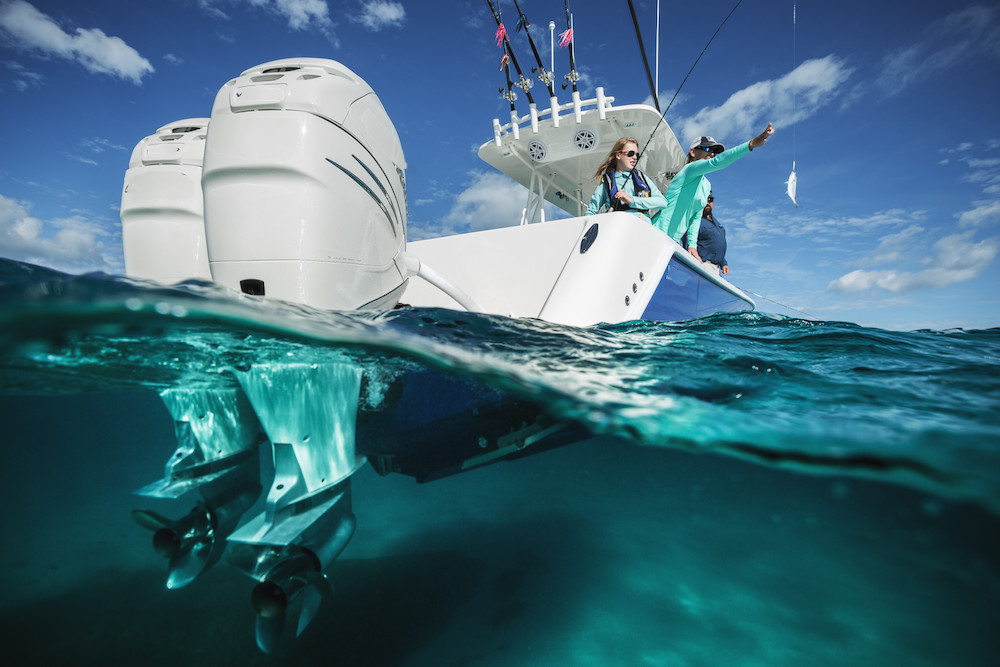
That moment separates boaters who planned ahead from those who didn’t. Carrying a spare Propeller won’t stop propeller blade strikes or underwater hazards from happening. But it decides whether that bad moment turns into a minor fix or a full-blown, costly emergency rescue. Here’s everything you need to know to make the right call — before you ever need it.
Yes, You Should — Here’s the Expert Consensus on Spare Boat Propellers
Think of a spare boat prop like a spare tire. You don’t question whether to carry one. You just do. Five miles from the launch ramp with a ruined Propeller and no backup? You’re calling for a tow — or paddling. Neither makes a good story.
What you need to carry depends on your setup:
-
Basic aluminum prop — bring a full spare prop. These have fixed rubber hubs. One solid propeller blade strike and your day is done.
-
Higher-end aluminum with a replaceable hub — carry both a spare prop and a propeller hub kit.
-
Stainless steel prop — a spare hub alone is often enough to get you home.
-
Inboard or wakeboard boat — carry a complete spare, no debate.
Don’t overlook the small parts that make the swap possible: a cotter pin, thrust washer, and a prop wrench. A spare prop in your storage compartment does nothing without the right tool to put it on.
Every experienced boater will tell you the same thing, unprompted: carry a spare prop. No hedging, no “it depends.” Just yes.
The reasoning is solid — and the data backs it up. Marine repair shops run several weeks behind in peak summer season. Prop shortages from supply chain disruptions have pushed wait times to 8–16 weeks in recent years. Show up without a spare during that window, and your boat sits. For a long time.
There’s also the hidden damage problem. A struck or bent Boat Propeller does more than slow you down. It creates vibration. It kills fuel efficiency. It strains the lower unit. It wears away at components you can’t see — until something breaks. The longer a damaged prop runs, the bigger the repair bill.
Professionals agree: aluminum is the smart spare choice. It’s affordable and lightweight. It also absorbs impact in ways that protect your engine from taking the hit directly. Keep your stainless steel prop as the performance workhorse. Use aluminum as the one that gets you home.
The Real Cost of Getting Caught Without a Spare Prop

A bent prop isn’t just an inconvenience. It’s a bill you never budgeted for, hitting at the worst possible moment.
Here’s what “getting caught without a spare” looks like in dollar terms:
-
Emergency next-day prop shipping: $80–$200+
-
New replacement propeller: $300+ for a 3-Blade, $450+ for a 4-blade
-
Dealer installation labor: up to $100 on top of that
-
Lower unit damage from running a broken or imbalanced blade: a repair bill that tops everything above
And that’s before you factor in what money can’t fix. Summer repair shops run several weeks behind on bookings. Drop your prop off on a Friday, and your boat sits untouched. The best weekends of the season slip past while you wait. Tournament anglers feel this even harder — a prop failure during practice doesn’t just cost money. It costs your entry.
Rural launches make it worse. Overnight shipping isn’t overnight two hours from the nearest FedEx hub. Saturday delivery is hit or miss. Some states don’t even allow propeller changes in the water. So you’re trailering home before anything gets fixed.
A spare prop — even a used, shop-reworked one — runs a couple hundred dollars. Stack that against emergency freight, labor, and a lost long weekend. It stops being a financial decision. It becomes the clear one.
How Propeller Damage Happens On the Water
Most propeller damage doesn’t announce itself. One second everything is fine. The next, something has gone wrong beneath the waterline — and you’re just finding out.
The most common cause is simple impact. Submerged rocks, floating logs, hidden sandbars — any of these can bend, nick, chip, or crack a Boat Propeller blade in an instant. Shallow water is brutal that way. What looks like plenty of clearance often isn’t.
But strikes aren’t the only threat.
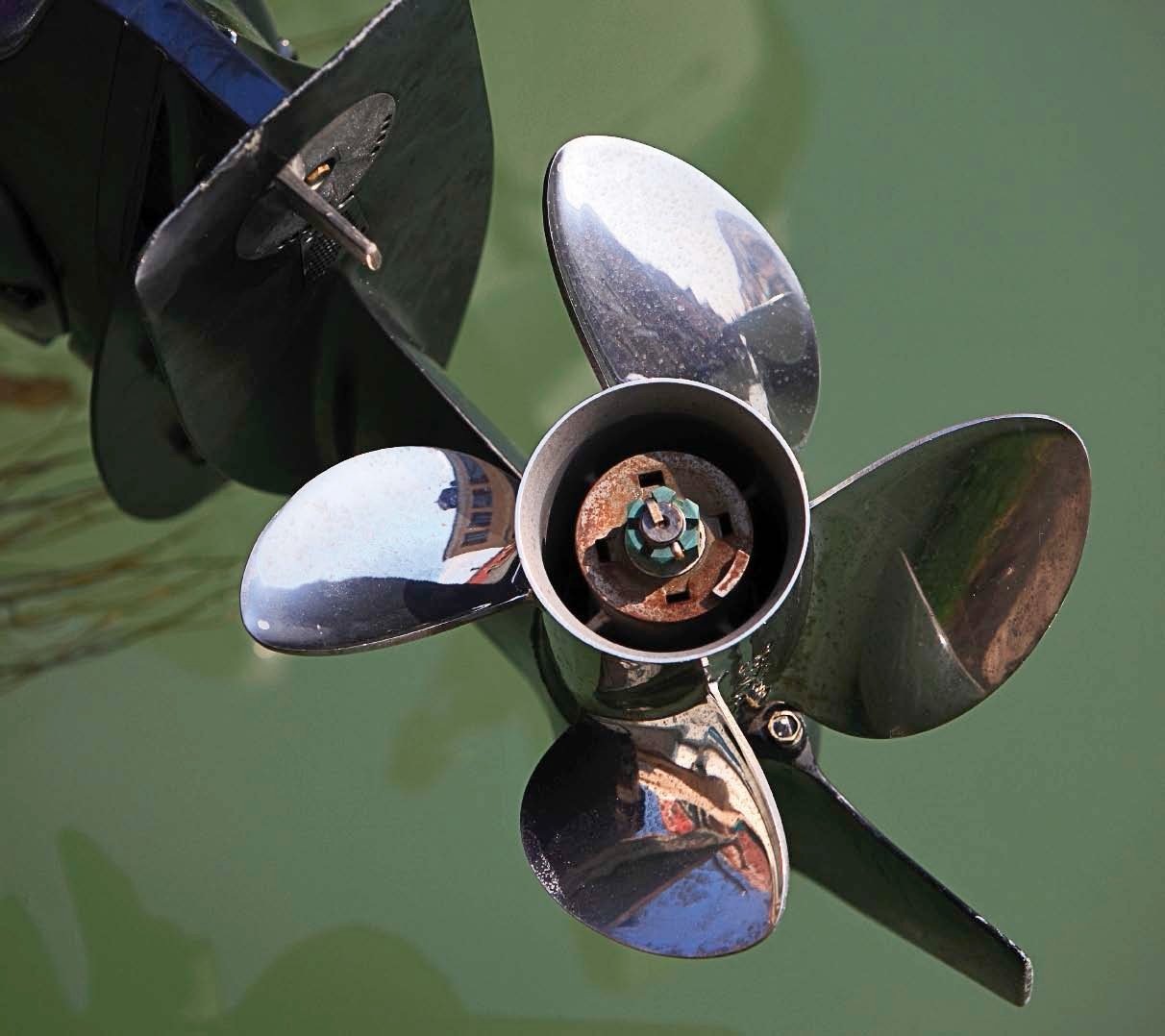
Cavitation is quieter and slower, but just as destructive. Pressure drops along the trailing edge of a spinning blade. Gas bubbles form and collapse against the metal — over and over, thousands of times per minute. That process erodes the blade from the inside out. It gets worse at full throttle. By the time you spot the pitting, the damage is already well past minor.
Entanglements add another layer of risk. A crab trap line or stray rope wrapping around your prop doesn’t just slow you down. It introduces torsional stress — twisting force — that can bend shafts, spin hubs, and in serious cases, shear the vertical shaft clean through. The water pump impeller stops. The engine overheats. What started as a propeller blade strike turns into a full cascade of failures.
The damage pattern also shifts depending on your boat type. Outboard and sterndrive strikes tend to bend the prop and shaft. Inboard strikes go further — struts, rudders, even the hull itself can take damage, and that raises the risk of water getting in.
Every form of propeller damage shares one result: the blade geometry changes. Even a small bend disrupts water flow, creates drag, and forces your engine to work harder. Vibration builds. Motor seals and bearings start wearing faster — and you won’t notice any of it until the repair bill lands.
How to Store a Spare Prop on Your Boat (Without It Being a Liability)
A spare prop rattling loose in your storage locker isn’t preparedness — it’s a hazard. Those blades are sharp. An unsecured prop sliding around in rough water can damage gear, injure hands, and scratch up your boat’s interior. The point of carrying one is peace of mind, not a new problem.
Here’s how to store it:
The shaft method is the most secure option. Mount your spare on a fixed metal tube or an old propeller shaft. An engineer can source or fabricate one at low cost. Thread the nut, spacer, and washer on in order. The prop stays put. Nothing rattles. Everything is right there and ready to go.
A prop storage bag is another solid choice. Russell Marine Products makes a reliable one for around $30. It keeps the blades contained and protected — whether you’re storing onboard or hauling on the trailer.
The quick wrap works too. Grab an old towel, fold it around the blades, and tuck it in tight. Not fancy, but it gets the job done. Pair it with your prop wrench so you’re not scrambling to find anything at the worst moment.
Where you store it depends on your trip:
-
Short trips, small lakes: Leave it locked in the truck bed or on the trailer. No onboard space lost, zero liability.
-
Long trips, open water: Keep it in the lazarette or rear storage locker — secure, out of the way, and easy to grab fast.
Whatever you choose, one rule stays the same: never store it loose.
FAQ: What Boaters Ask About Spare Propellers
Real questions from real boaters — answered straight.
Does my spare prop have to be the exact same model as my primary?
Not the exact model — but it must match your engine’s specs. That means the right engine make, model, year, and horsepower. It also means matching shaft spline count, bore size, rotation direction, and hub type. A right-hand prop won’t work where a left-hand is required. A 1″ bore won’t slide onto a 1-1/8″ shaft. One wrong spec and the prop won’t fit. You’ll find that out at the worst possible moment. Check the part number — it’s cast into the prop itself. Start there. The Solas Prop Finder lets you enter your engine details and pull up an exact or compatible match fast.
How do I know when a propeller needs replacing — versus just a repair?
Small nicks and dings? A shop can fill, smooth, and rebalance. You’re in good shape — more so with a spare on hand as backup. Worn splines or deep shaft grooves are a different story. Once the splines go, the seal fails. Lower unit damage comes next. That’s a replacement, not a repair.
What if my boat has unusual prop specs?
Some setups are hard to find spares for. A single-screw trawler running a 26 x 20 LH prop with a 1.75″ bore is one example. Rare specs mean limited inventory. Stock sitting on shelves moves fast, and niche sizes don’t get restocked often. Your boat falls into that category? Carry a spare now. Finding one on short notice, offshore, is close to impossible.
Recommended Spare Props for Different Boat Types (Product CTA Bridge)
Different boats need different spares. Pick the wrong one, and you waste money and storage space.
Recreational fishing boats and speedboats (3/4/6-cylinder outboards): A standard 3-blade aluminum prop in the correct pitch and diameter is all you need. It’s light, affordable, and gets you back to the dock.
Heavier boats, cabin cruisers, and offshore fishing rigs: Go with a 4-blade aluminum spare. The slight cost increase is worth it. The extra blade gives you better load-carrying grip and steadier handling in rough water on the way back to the dock.
Wakeboard and watersport boats: Stick with a 4-blade spare. Hole shot matters on these setups. A 3-blade won’t hold up the same feel under tow loads.
Sailboats: A folding or feathering prop spare is the right choice. A standard recreational prop creates extra drag and kills your under-sail performance. Don’t settle for that.
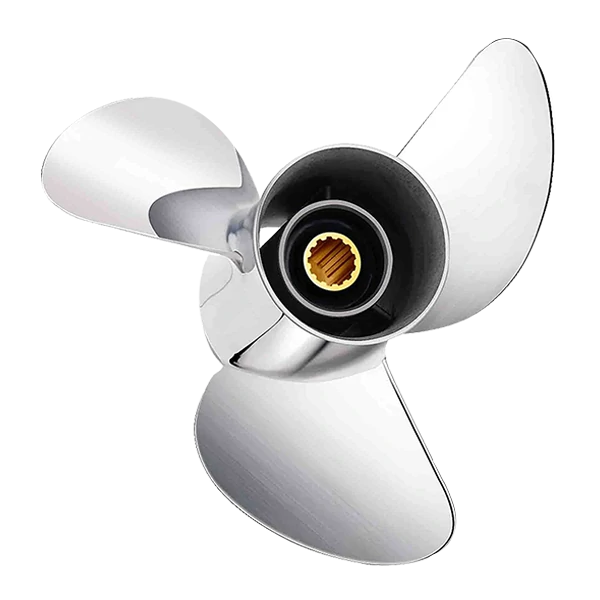
Whatever your setup, VIF Propellers carries matched aluminum spares for most outboard motor configurations. Browse by engine make, model, and horsepower to find your fit — and have the right spare ready before you ever need it.
Conclusion
A spare prop isn’t a sign of pessimism. It’s a sign of someone who’s been on the water long enough to know what can go wrong.
Here’s what it comes down to: a quality aluminum spare, the right hub kit, and ten minutes of prep before you leave the dock. That’s it. Those three things separate a story you laugh about later from a $500 tow bill, a ruined weekend, and the misery of drifting somewhere you didn’t plan to be.
You’ve done the reading. You know the specs that matter. You know the materials worth trusting. You know what belongs in that kit. The one thing left is making the decision.
Browse VIF Propellers’ full range of aluminum and stainless steel props. Each one is built to match your engine, your water, and your backup plan. Because the best day on the boat is the one where the spare prop never leaves its storage bag.