
Your boat isn’t slow — your Propeller is lying to you.
Every time your Prop spins through the water, it promises a set amount of forward motion based on its pitch. But what happens? It slips. The water gives way, the blades lose grip. Speed and fuel bleed away between the engine’s effort and the hull pushing forward. For most boat owners, that loss stays hidden — until the fuel bills pile up or the GPS tells a different story than the tachometer.
Propeller slip isn’t just a number on a spec sheet. It’s a diagnostic tool. It’s a performance indicator. And once you understand it, it becomes a problem you can fix. Want better fuel economy? More top-end speed? Tired of leaving money on the water? Getting your propeller pitch ratio dialed in and your slip under control is where the real gains are hiding.
Here’s how to find them.
Content Framework: “Understanding Propeller Slip And How To Reduce It”
This guide starts with one simple idea: propeller slip is not your enemy — not knowing about it is.
The article walks through the topic step by step. It meets readers where they are — confused, frustrated, or just wanting better performance.
-
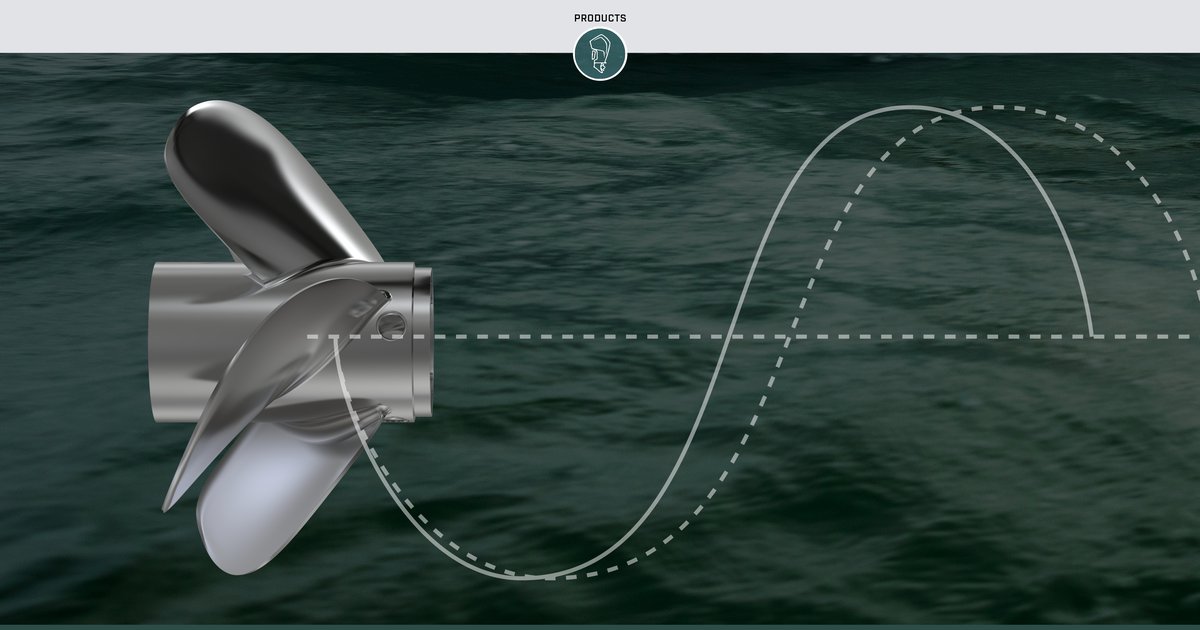
What slip is — the gap between what your Prop promises and what your hull delivers, shown as a percentage
-
Why it changes — starts at 100% when standing still, spikes hard through the displacement-to-plane transition, then drops to its lowest point at full speed
-
What pushes it higher — hull condition, load, trim, headwinds, fouling, prop design
-
How to bring it down — engine trim, mounting height, weight distribution, and prop selection matched to your specific goal
One truth runs through every section: higher slip does not mean lower efficiency. The right prop depends on what you want — hole shot, top speed, or mid-range pull. Your slip number tells you which goal you’re chasing.
What Is Propeller Slip? (The Physics Behind Every Boater’s Lost Speed)
Think of a wood screw driven into solid timber. Every turn moves it forward by the exact distance its pitch promises — no negotiation, no loss. Water doesn’t work that way.
A propeller blade rotates and pushes against a fluid. That fluid pushes back and flows away. This is the core problem. The blade never “catches” its medium the way a screw catches wood. So the actual distance traveled per revolution falls short of what the pitch promises. That shortfall — expressed as a percentage — is propeller slip.
The formula is simple:
Slip (%) = [(Theoretical Speed − Actual Speed) ÷ Theoretical Speed] × 100
Take a prop with a geometric pitch of 1.8 m. It delivers an effective advance of just 1.27 m. That gap — 0.53 m — represents 29.3% slip. Close to a third of every revolution, lost.
Slip isn’t fixed. It shifts with speed, load, and conditions:
-
Highest during the displacement-to-plane transition — this is where hull drag peaks
-
Lowest at full cruising speed — the hull planes out and resistance drops
-
Negative in rare cases — a strong following current pushes the boat faster than the prop’s theoretical advance
One thing slip is not: ventilation and cavitation. Both destroy thrust, but through completely different physics. That distinction matters. Mix them up, and you’ll chase the wrong diagnosis.
True Slip vs. Apparent Slip: Why the Difference Matters for Diagnosis
Most propeller problems get misdiagnosed. The reason? People treat slip as one thing. It isn’t.
There are two distinct types. Mix them up and you’ll chase the wrong fix every time.
Apparent slip is what your numbers show. It’s the gap between theoretical speed — what your prop’s pitch and RPM promise — and actual GPS speed. But this number can lie. A following current can push apparent slip into negative territory. Your boat looks like it’s moving faster than its prop should allow. That’s not efficiency. That’s outside forces twisting the reading.
True slip is the real mechanical loss at the blade surface. It’s where water fails to grip the blade the way it should. This number holds steady across different conditions. A healthy prop runs 10–15% true slip. Fouling or minor blade damage pushes it to 16% and above. A lost blade? You’ll see a sudden jump to 28%+.
The diagnostic value comes from watching how slip changes:
-
Gradual creep (11% → 16%) — blade damage, growth, or fouling
-
RPM spike + thrust collapse (-50–80%) — ventilation pulling air into the blade path
-
Slip surging past 30% above a speed threshold — cavitation, where collapsing bubbles eat away at both thrust and blade material
Steady high slip points to a prop sizing or hull problem. Sudden slip is a crisis — ventilation, cavitation, or mechanical failure. Knowing which type you’re reading tells you whether you need a different prop or a rescue call.
How to Calculate Propeller Slip: Step-by-Step Formula with Real Example
The math here is honest. It doesn’t flatter you, and it doesn’t lie. Run the numbers right. Your propeller will show you how much performance you’re leaving behind.
The core formula:
Slip (%) = [(Theoretical Speed − Actual Speed) ÷ Theoretical Speed] × 100
Two inputs. One result. No guesswork.
Breaking Down Each Variable
Theoretical Speed is what your prop promises — the distance it should cover per revolution, multiplied by your RPM. You get this number straight from your propeller pitch and shaft speed.
Actual Speed is what your hull delivers — measured via GPS at the same moment. Not your speedo. Not your depth finder. GPS. It’s the one reading that cuts out all the variables.
Running the Calculation: A Real Example
Say your prop has a 21-inch pitch. At wide-open throttle, your shaft turns 4,800 RPM through a 1.5:1 gear ratio — giving you a propeller speed of 3,200 RPM.
-
Theoretical Speed: 21 inches × 3,200 RPM = 67,200 inches/min → converts to 53.6 mph
-
GPS Actual Speed: 46 mph
Plug it in:
(53.6 − 46) ÷ 53.6 × 100 = 14.2% slip
That’s clean. A healthy prop under real load runs between 10–15%. Push past 20%, something is wrong. That means fouling, pitch damage, or a mismatched propeller advance ratio burning through your shaft horsepower.
Testing It Right
Bad data produces bad conclusions. Follow these rules:
-
Test at WOT — anything less skews the slip curve
-
Run in calm water — current and headwind corrupt both inputs
-
Log multiple RPM points — a single snapshot misses how slip behaves across your full speed range
-
Repeat each run — consistency separates real performance from a good day on the water
One more thing: your GPS speed exceeds theoretical speed sometimes. Slip goes negative. That’s not your prop working harder. That’s a following current padding your numbers. Know the difference before you celebrate.
What’s a Normal Propeller Slip Percentage? (Benchmarks by Boat Type)
Slip numbers mean nothing without context. A 15% reading on a sport fishing boat tells a different story than 15% on a displacement trawler. One is acceptable. The other is burning excess fuel.
Here’s where healthy slip lands, by vessel type:
|
Boat Type |
Normal Slip Range |
|---|---|
|
Planing hulls |
8% – 12% |
|
Surface drives / cruising |
4% – 8% |
|
Heavy or aggressive setups |
10% – 15% |
|
Displacement hulls (trawlers, tugs) |
5% – 9% |
|
Large commercial vessels |
3% – 5% |
|
Sailboat auxiliary engines |
12% – 20% |
|
Personal watercraft / jet boats |
15% – 25% |
Blade count shifts those numbers too. More blades grip better:
-
3-Blade: 12–15%
-
4-blade: 10–14%
-
5-blade: 8–10%
-
6-blade: 3–8%
When Numbers Turn Into Warning Signs
Above 15% is where performance losses get measurable — and expensive. Here’s a real example: a sport fishing boat running a 24-inch pitch at 6,080 RPM topped out at just 46 mph. That’s 27.8% slip. Fixing the pitch selection alone dropped it to 14%. Fuel burn fell by 2.5 to 3.5 gallons per hour.
Below 10% means you’re running race-optimized hardware. That’s a deliberate setup, not a lucky accident.
Numbers sitting above 15%? The usual suspects are wrong pitch, blade damage, excess weight, or a fouled hull. Start there before assuming the worst.
6 Root Causes of Excessive Propeller Slip (And How to Identify Yours)
Six things kill propeller efficiency. Most boat owners never spot more than one.
Here they are — ranked by how often they show up on the water, plus how to catch each one before it keeps costing you.

1. Spun Propeller Hub
The hub connects your shaft to your blades. Inside sits a rubber or plastic insert. That insert fails, the shaft spins free, and the blades barely move. RPM climbs fast — jumps to 4,000 in seconds under throttle — but thrust collapses. It looks like ventilation. It isn’t. Press the throttle hard and watch your tachometer. Speed should rise with RPM. RPM spikes but GPS speed stays flat? Your hub is spinning.
2. Wrong Pitch Selection
Pitch mismatch is the most common silent thief in recreational boating. Too much pitch and the engine strains, never hitting rated RPM. Too little and it over-revs, spinning faster than the hull can use. Either way, the propeller pitch ratio falls out of its design window and slip climbs. Check your WOT RPM against the manufacturer’s rated range. 300 RPM outside that band means your pitch is wrong.
3. Undersized Blade Surface Area
Blades need surface area to grip water. Narrow blades on a heavy or high-powered hull lose their grip under load. This is worst during the displacement-to-plane transition, where slip already peaks. The fix is a higher blade count or a wider chord design. Both add grip without touching pitch.
4. Incorrect Propeller Diameter
A smaller diameter prop moves less water per revolution. A 21-pitch prop running a smaller diameter than a comparable design will show higher slip under the same conditions. Diameter and pitch must be matched together — to hull size, load, and engine output. You can’t pick one without the other.
5. Hull Fouling and Weight Distribution
A fouled hull raises resistance. More resistance means the prop works harder to push the same mass forward — and slip rises in direct proportion. Added weight makes it worse. Every extra 10% of load above design displacement pushes your slip percentage up and strains the wake fraction relationship between hull and blade. Inspect the hull bottom. Check your loaded weight against your vessel’s rated displacement before blaming the prop.
6. Engine Mounting Height and Trim Angle
Mount the engine too high and the blades start pulling air from the surface. That’s ventilation, not cavitation — but just as destructive to propeller efficiency optimization. Set the trim angle wrong and the prop runs outside its designed hydrodynamic range. The propeller blade angle no longer matches the actual water flow across the hull. The symptom is slip that shifts sharply with trim adjustment instead of staying steady. Moving your trim tabs or adjusting motor height shifts your slip reading by more than 5 percentage points? Installation geometry is your problem.
The fastest diagnostic path: calculate your slip at WOT, compare it to your vessel type benchmark from the table above, then work down this list from top to bottom. Hub failure and pitch mismatch are fast to rule out. Hull and installation issues take more time — but they’re the ones most often hiding behind the others.
How to Reduce Propeller Slip: 7 Proven Methods Ranked by Impact
Slip doesn’t disappear on its own. But it responds — and it responds to the right fixes. These seven methods are ranked by actual impact, not by how easy they are to sell you.

1. Match Your Prop Specs to Your Engine (Biggest Return, Bar None)
This is where most slip gets recovered — and most boat owners never touch it. Pitch, diameter, and blade area must match your specific horsepower and RPM range. Get it wrong in either direction and the numbers turn ugly fast. Undersized blade area can push slip above 40%. The right match drops it under 15% and keeps it there.
Here’s a real example. Swapping to a lower-pitch 4-blade design can raise your WOT RPM to the 4,600 sweet spot. It also brings slip back into the healthy range — no engine work required. Lab finishing matters too. A polished blade surface cuts parasitic drag, frees up absorbed power, and shows up in both speed and RPM gains.If you have any questions, please contact us. Upload the data and we will provide a solution for you.
2. Increase Blade Count, Add Cup, Adjust Rake
Four blades grip better than three. Yes, they draw a bit more power — but the efficiency trade-off is worth it for most working setups.
-
Cup the trailing edge. This raises effective pitch without changing the stamped number. It also cuts blowout hard under heavy acceleration.
-
Adjust rake. Rake shifts the thrust angle to better match your hull’s running position. This lowers ventilation risk, which is what spikes slip during hard turns or rough water.
3. Repair Blade Damage Before It Compounds
A ding looks cosmetic. It isn’t. Even minor burrs and edge damage can push slip into the 40% range — the same territory as a flat-out wrong prop. Inspect after every season and after any hard contact. The repair cost is always smaller than the fuel bill.
4. Optimize Your Outboard or Sterndrive Setup
X-dimension is the vertical distance from the anti-ventilation plate to the boat’s bottom. It sets the limit on how large a prop you can run at full efficiency. A higher X-dimension opens up larger diameter options. Larger diameter props move more water and cut slip.
Anti-ventilation plate position is just as important. Get it wrong and you feed air straight into the blade path — and slip spikes fast.
5. Reduce Drag at the Hull
A clean bottom is free horsepower. Fouling adds resistance. More resistance means your prop works harder for the same forward motion — and slip climbs to make up the difference.
Trim and setback adjustments alone can reduce slip by 5–10 percentage points. They do this by improving water flow to the blades. Clean hull, dialed trim — two things that cost little and return a lot.
6. Manage Your Throttle Through the Transition
The displacement-to-plane transition is where slip peaks — and it can peak hard. Keep your RPM inside the engine’s peak efficiency band through that phase. This stops slip from spiking and holds blade grip.
Don’t lug it. Don’t over-rev it. Feed the throttle in steady and let the hull do its part.
7. Measure, Log, and Repeat
You can’t fix what you don’t track. Calculate your slip using GPS speed and RPM after every major change — new prop, new load, hull service, trim adjustment. Target 10–15% as your baseline.
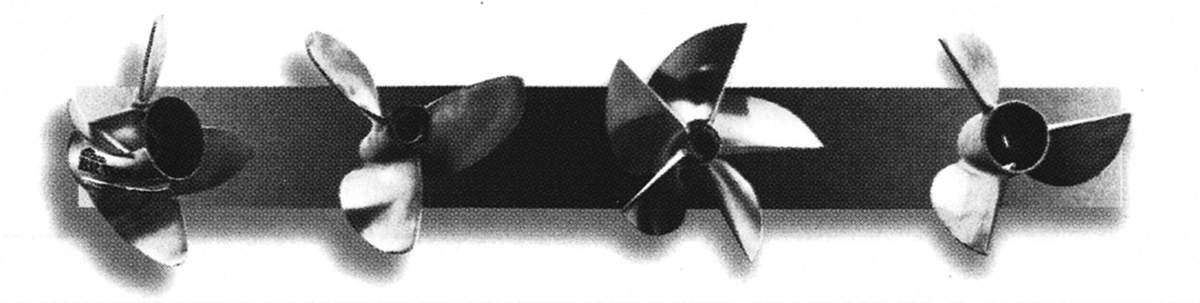
Some advanced designs push that even further. The Sharrow Propeller, built around true helical advance geometry, can approach near-zero slip. Reported efficiency gains run close to 500 RPM worth of output.
Tools like the bblades.com prop slip calculator make the math quick. For complex setups or custom specs, talking to a prop specialist pays off fast. They can spot mismatches that calculators miss.
The goal isn’t perfection. It’s consistent improvement — each adjustment measured, logged, and stacked against a real baseline. That’s how slip stops being a mystery and starts being something you control.
Choosing the Right Propeller to Control Slip: A Practical Selection Guide
The prop on your shaft right now? Someone picked it without knowing your load, your typical conditions, or how you actually use the boat. That’s not cynicism — it’s just how most boats leave the dealer.
Here’s how to fix it.
Start with your WOT RPM. Every engine has a manufacturer-rated wide-open-throttle RPM window. Find it in your owner’s manual. That one number shapes every prop decision you make after this.
-
RPM runs above range? Go up in pitch. More pitch slows the shaft and loads the engine the right way.
-
RPM runs below range? Drop the pitch. The engine is lugging, slip is climbing, and you’re leaving power on the table.
Then match blade count to your primary use:
|
Use Case |
Best Choice |
Why |
|---|---|---|
|
Cruising / top speed |
3-blade |
Lower slip at speed, less drag |
|
Towing / watersports |
4-blade |
More low-end bite, handles heavy loads |
|
Racing |
3-blade, cupped, aft rake |
Maximum speed, minimum ventilation slip |
|
Heavy or underpowered boats |
5-blade |
Smoothest thrust, least slip under load |
Cupping and rake aren’t optional extras. A cupped trailing edge cuts slip — it raises effective pitch without changing the stamped number and reduces blowout under hard acceleration. Aft rake lowers wetted surface and sharpens top-end bite.
Before you buy anything, run this checklist:
-
Calculate your current slip at WOT using GPS speed
-
Log your typical loaded weight — passengers and gear shift your RPM band
-
Define your primary use (one use case, not three)
-
Test the OEM prop first, then ±1 pitch increments
-
Record RPM, GPS speed, hole shot time, and planing time across multiple runs
-
Slip above 25% or RPM outside the manufacturer’s range? Pitch selection is your problem
One more thing worth keeping: a spare aluminum prop and a spare hub. Not glamorous advice, but the boats that stay on schedule are the ones carrying backup hardware.
Conclusion
Propeller slip isn’t just a number on a spec sheet — it’s your boat telling you something. Fuel economy dropping on a long offshore run? Speed falling short of what your engine should deliver? Excessive slip has a clear cause. You just need to know where to look.
You now have the full picture. Here’s what this guide covered:
-
How propeller advance ratio and pitch interact
-
Why true slip exposes what apparent slip hides
-
Which fixes — from pitch correction to anti-cavitation geometry — make a real difference
The next step is simple. Audit your current setup against the benchmarks in this guide. Slip percentage outside the normal range for your boat type? Don’t guess. Spec a replacement with purpose and precision.
VIF Propellers builds blades around efficiency, not compromise. Browse the full range at VIFpropellers.com and find the propeller your hull has been waiting for.