
Your Boat’s engine broke down one mile out at sea, not because it was worn out or not very good but because no one told you which maintenance procedures are essential.
Either you waste your money on unnecessary services or you neglect to perform essential checks. Either way, it is costly.
The proper maintenance of a marine engine requires you to do only a few things:
- Consistent oil changes
- Proper saltwater flushing
- Regular impeller swaps
- A few other quick habits that take minutes but save thousands
Get those right, and your engine holds strong for decades. Skip them, and one hot summer day turns into a very expensive tow back to shore.
Here’s what to focus on — and why each one counts.
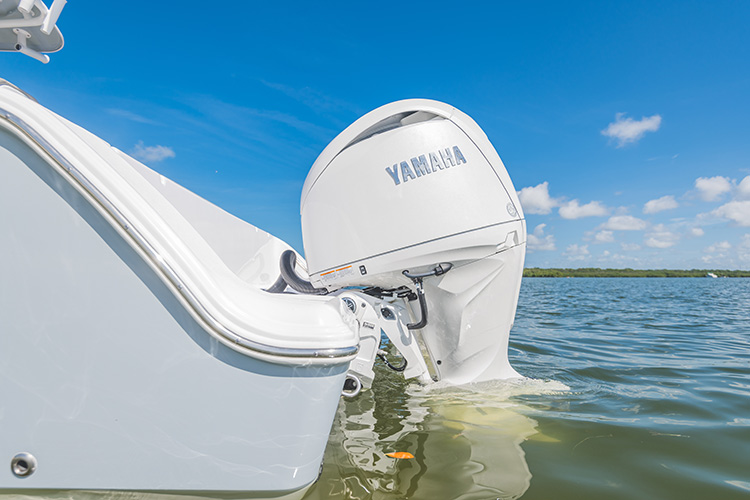
Content Framework: “What Is The Most Important Maintenance For An Engine?”
Six key maintenance activities will determine if your Boat Engine survives for 1,000 or 10,000 hours.
Each activity is covered here in its order of importance. This includes what it does, what will happen if you don’t do it, and the cost to you for not doing it. Do you need to create a maintenance plan? Trying to pinpoint poor performance?
| Priority | Maintenance Task | Risk If Skipped |
|---|---|---|
| #1 | Engine oil change | Accelerated wear, seized engine |
| #2 | Saltwater flush | Corrosion, overheating |
| #3 | Impeller replacement | Cooling failure within minutes |
| #4 | Spark plug replacement | Misfires, 5–10% fuel loss |
| #5 | Fuel filter service | Injector clogs, power loss |
| #6 | Propeller inspection | Hidden drag, drivetrain stress |
Engines that stay on top of the first three tasks tend to outlast neglected ones by double the hours. The math is simple. Staying disciplined is where most owners fall short.
Here’s how the content breaks down:
- Priority #1–3 cover the non-negotiables — oil changes, saltwater flushing, and impeller replacement. Skip any of these and you’re not facing a repair bill. You’re facing an engine replacement.
- Priority #4–5 focus on performance and fuel efficiency — spark plug condition and fuel filter health. Small parts, big impact. They cause misfires, rough starts, and fuel losses that build up over time without obvious warning signs.
- Priority #6 wraps up with Propeller inspection. Most owners push this one down the list until vibration or drag makes the cost impossible to ignore.
Each section answers three straight questions: what the task does, what breaks if you skip it, and what that mistake will cost you. Building your first maintenance schedule or tracking down a sluggish throttle? The priority order stays the same either way.
Why Regular Oil Changes Are the Single Most Critical Marine Engine Maintenance Task
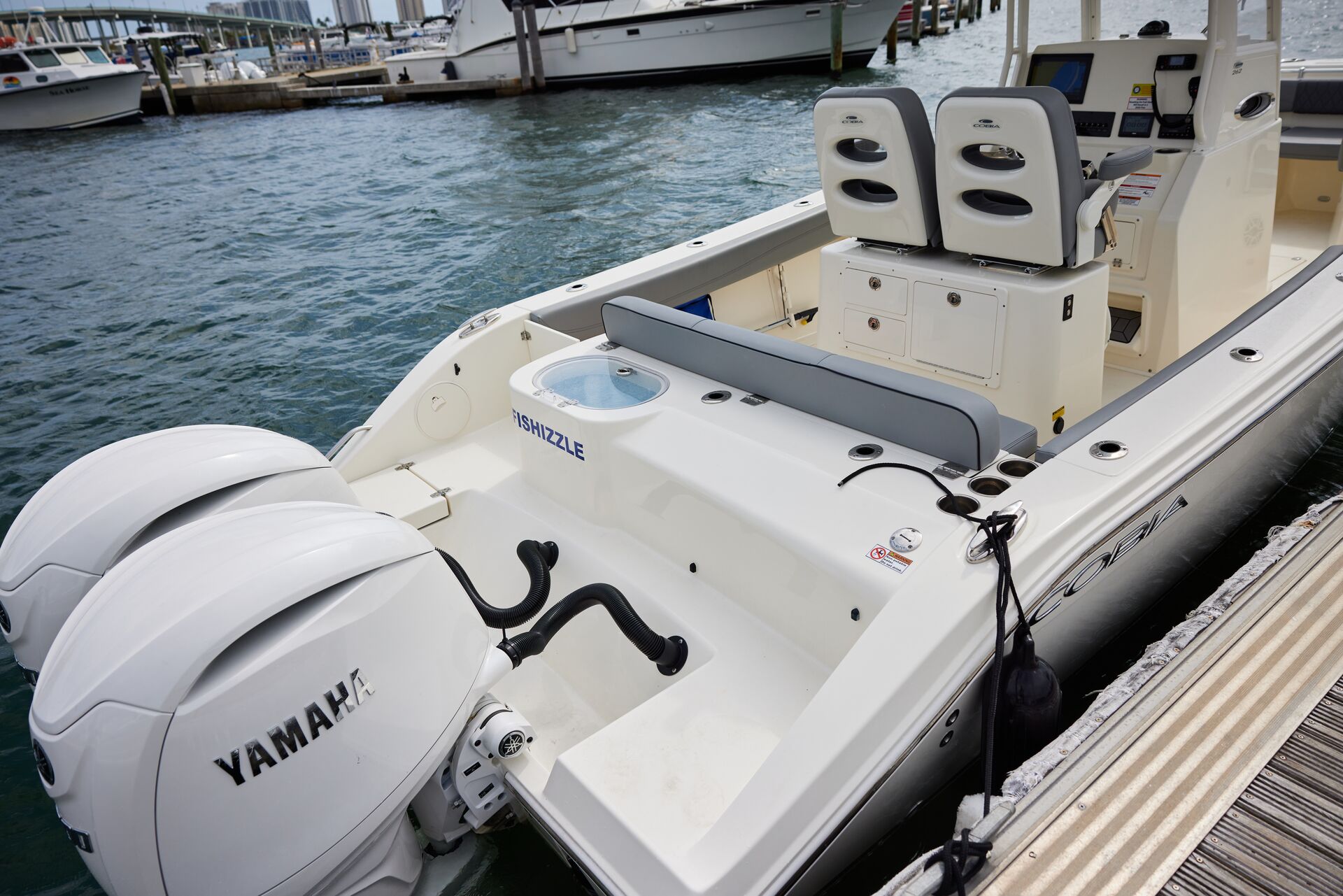
Marine engine oil doesn’t just get dirty — it turns hostile.
A car engine coasts through city traffic. A Boat Engine runs under sustained, punishing load. Think constant uphill towing with no break. That alone doubles combustion byproduct buildup compared to automotive use. Saltwater humidity seeps into the crankcase. Extended idle periods drain additives faster than any highway run. The result: oil that degrades 2 to 5 times faster than what’s in your truck.
The damage starts small. Moisture mixes with combustion byproducts and forms acids. Those acids eat away at your bearings — no noise, no warning light — until the damage is done. Under marine conditions, that process can hit critical damage levels in under 100 hours.
Here’s the consequence timeline, broken down by hours of neglect:
- 50–100 hours neglected: Acid corrosion accelerates bearing wear by 10–20%
- 100–200 hours: Sludge restricts oil flow — lubrication drops by 30–50%
- 200+ hours: Friction heat exceeds 250°F, warping components and risking full seizure
A routine boat engine oil change runs $300–$800. An engine rebuild starts at $25,000 and climbs past $75,000. That’s a 250x cost gap — and it’s your call which side you land on.
How Often, By Engine Type
The right interval depends on your engine type. Match your schedule here:
| Engine Type | Recommended Interval |
|---|---|
| Outboard | Every 50–100 hours or once a year |
| Inboard / Propulsion Diesel | Every 100–200 hours or once a year |
| Generator (Onan, Kohler, Westerbeke) | Every 100–150 hours — or once a year no matter what |
| Large Commercial (Wärtsilä 2-stroke) | Up to 1,000 hours with sampling every 500 hours |
One note on generators: even if yours logs just 50 hours a year, change the oil on a yearly schedule. Start-stop cycles and storage moisture speed up degradation in ways the hour meter won’t capture.
The Procedure Is Simpler Than You Think
- Warm the engine for 5–10 minutes — hot oil pulls contaminants out with it
- Drain fully — don’t rush this step
- Swap the filter every time, no exceptions
- Refill to capacity — most marine diesels take 10–20 quarts
- Run for 5 minutes, then recheck the level
Pushing beyond standard intervals? Oil analysis is your safety net. Watch for fuel dilution, wear metals above 20–50 ppm, or a Total Base Number below 2.0. Any of those flags means change it now, hours be damned.
Everything else on the maintenance list matters. But no other task combines this level of invisibility, speed, and consequence all at once. Oil changes aren’t glamorous. They’re just the task that keeps everything else from falling apart.

The Bottom Line: Consistency Beats Expensive Repairs
Running an engine properly in the water doesn’t require mechanic-level expertise, but rather consistency. The truth is, maintaining a reliable engine just requires consistent performance of certain actions on time. If you want to make sure that your engine serves you for decades, you need to develop the following practices:
Frequently Asked Questions: Boat Engine Maintenance for Beginners
New boat owners ask the same questions. Here are direct answers.
How often should I service my boat engine?
Check oil and fluid levels before every single outing — not monthly, not weekly, every time. Flush the engine after every use. Five minutes of freshwater is enough. Saltwater owners, don’t skip this step.
Annual tune-ups should cover three things:
– Spark plugs
– Fuel filters
– Impeller inspection
Replace sacrificial anodes every 100 hours. Use zinc for saltwater, magnesium for freshwater.
Can I do this myself?
Most of the basics, yes. These tasks are easy for beginners:
– Oil checks
– Battery terminal cleaning
– Hose and belt inspection
Changing oil? Use a spill-proof extractor. Bag the filter to catch drips. For spark plugs, gray or light brown tips mean the engine burns fuel cleanly.
One hard rule: marine-grade parts only. Automotive parts lack spark-proof sealing. On a boat, that’s a real fire risk.
What happens if I skip oil changes?
Milky oil means water got in. That’s serious damage, already happening. Old, neglected oil turns acidic. It eats away at the bearings and cuts engine life short. Salt exposure makes all of this happen faster.
Is marine maintenance different from car maintenance?
The basics overlap — but the situations don’t. Cars never need flushing after use. Marine engines do, every single time. Impeller replacement is a marine-only job. No car equivalent exists.
Your car’s fuel system is also built differently. Marine fuel lines, pumps, and filters need full, airtight sealing. See milky residue in your fuel filter? Pour it into a glass to check. That cloudiness means water is in the fuel. Change the filters right away and track down where the water is getting in.
Conclusion
Your engine doesn’t fail all at once. It fails one skipped oil change at a time. One unflushed saltwater run. One ignored impeller.
Boat owners who get decades out of their engines aren’t doing anything magical. They’re just consistent. They change the oil before it turns black. They flush after every saltwater trip — no exceptions. They replace the impeller on a schedule. Not after the overheating alarm goes off mid-channel.
Start simple. Pick the one maintenance task you’ve been putting off. Maybe it’s a long-overdue engine oil change. Maybe it’s your first real look at your propeller’s condition. Do it this week. Build from there.
A damaged or wrong-pitched Prop punishes your engine every time you run it — you just don’t notice until something breaks. Before your next outing, check that your prop is in the right shape. The best engine maintenance sometimes starts outside the engine.