
Your Boat Propeller just gave out. Or maybe it’s still spinning — but you’re burning through fuel and losing the speed you used to rely on. Either way, you’re facing a real decision: go OEM and pay more, or pick an aftermarket replacement and take your chances.
The stakes are real. The wrong choice can wreck your boat engine performance, wear down your outboard motor, or leave you dealing with a compatibility problem you never saw coming.
The good news? This doesn’t have to be a gamble.
Here’s a straight breakdown of how OEM and aftermarket boat propellers compare — across price, quality, fit, performance, and warranty risk. Use it to make the call that fits your boat and budget.

What You’re Choosing Between
Two categories. One decision. Here’s the map.
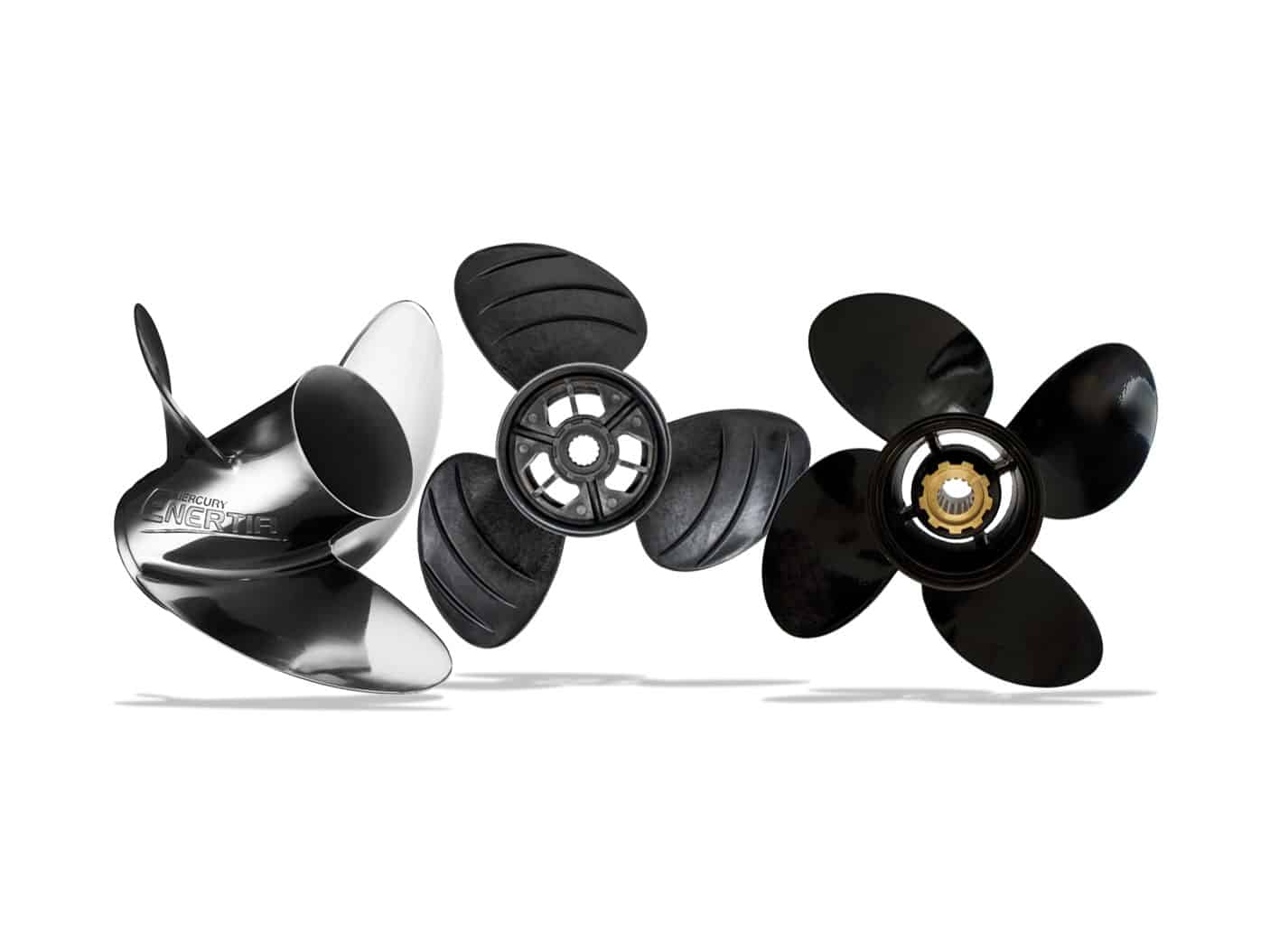
OEM (Original Equipment Manufacturer) propellers come straight from your engine’s maker — Mercury, Yamaha, Suzuki. Each one is built to exact tolerances for your specific outboard motor or inboard system. No guesswork on fit.
Aftermarket propellers come from independent manufacturers. They’re built to work across multiple makes and models. You get a broader selection and a lower price — often 20–40% cheaper than OEM options. The tradeoff? A universal fit can create compatibility gaps. Material quality also shifts a lot from one supplier to the next.
Here’s what this comparison covers:
-
Price — upfront cost vs. total cost of ownership
-
Marine propeller materials — aluminum vs. stainless steel, and who builds them better
-
Fit and compatibility — key if you’re running a specific brand engine
-
Propeller thrust efficiency and performance — does the gap show on the water?
-
Warranty coverage — what you give up, and where that hurts
-
Reliability over time — because a cheap Prop that fails twice isn’t cheap
Both OEM and aftermarket options have real use cases. Neither is the default right answer.
What Is an OEM Boat Propeller (And Why Manufacturers Recommend It)
OEM stands for Original Equipment Manufacturer. In the propeller world, that means one thing: the Prop was built by — or authorized by — your engine’s maker.
Mercury, Yamaha, Suzuki, Evinrude, Volvo Penta. These companies don’t just suggest their own propellers. They engineer them to exact tolerances for their specific drive systems. The shaft bore, the rotation direction, the pitch and diameter — all of it is built to match your outboard or inboard setup. No guesswork. No approximations.
How to spot an OEM propeller: Check the hub or under the prop nut. Most OEM props carry a stamped part number tied to the engine model. That number is your reference point. Cross-reference it against the manufacturer’s parts list, and you’ll know what you’re getting.
Here’s why manufacturers push hard for OEM replacements:
-
Perfect mechanical fit — A 2003+ MasterCraft, for example, requires a specific tapered or spline shaft bore (1″, 1-1/8″, or 1-1/4″). The wrong bore creates power transmission loss — or worse, premature wear.
-
Warranty protection — Volvo Penta, Crusader, and Mercury are clear about this: install a non-OEM propeller, and your engine warranty is at risk. That’s not fine print. That’s real financial exposure.
-
Spec compliance — Small deviations add up fast. A cupping difference alone can shift your top speed by about 1 MPH and change engine load.
OEM propellers come in aluminum (budget-friendly, common) and stainless steel (built for premium durability). Prices run about 25% higher than comparable aftermarket options — a gap you’ll notice at the dealer counter.
That premium gives you zero fit risk and factory-certified performance. Is it worth it? That depends on your setup and how much uncertainty you’re willing to accept.
What Is an Aftermarket Boat Propeller (And What “Quality” Really Means)
Aftermarket doesn’t mean inferior. It means independent.
Third-party manufacturers build these propellers — not your engine’s original maker. But they engineer them to fit the same drive units: outboards, stern drives, inboards. They follow OEM specs for diameter, pitch, and material. These props have been on the market about as long as OEM versions. In most real-world situations, you won’t notice a performance difference on the water.
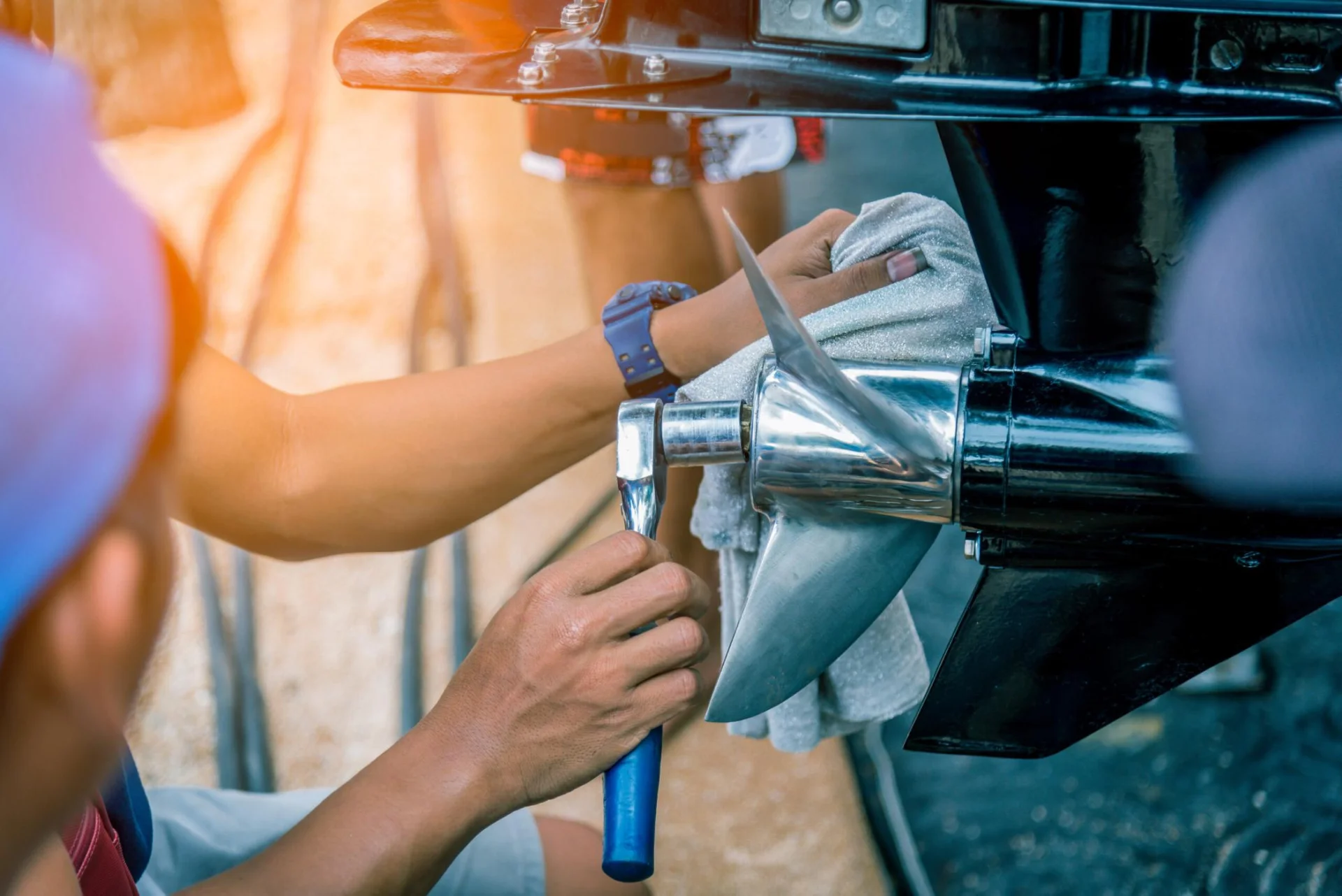
Here’s what the industry doesn’t say often enough: aftermarket propeller quality has become genuinely strong. Look at a premium aftermarket prop next to its OEM version — visually, mechanically, on the water — and the gap is small in most cases.aa
The Split That Actually Matters
The real quality divide isn’t OEM vs. aftermarket. It’s premium aftermarket vs. cheap replica.
Brands like Turning Point and Sierra build to OEM-spec tolerances. They match diameter, pitch, and rake within tight margins. You also get performance features like PVS vent holes for low-RPM exhaust and diffuser rings that seal thru-hub exhaust systems the right way. Materials hold up too: proper aluminum alloys, stainless steel with chromium content above 16%, and corrosion resistance that lasts beyond one season.
Cheap replicas cut every corner that matters. Pitch errors of ±0.5 inches or more. Thin alloys with poor corrosion resistance. No venting. No compatibility markings. The result: excess slippage, vibration from imbalance, and failure rates that wipe out any “savings” fast.
How to Read Quality Before You Buy
Check these five things on any aftermarket propeller:
-
Hub fit — Confirm the spline count and bore diameter match your specific engine model
-
Pitch/diameter tolerance — Stay within 0.1 inches of spec. Go beyond that and your RPM range shifts, loading your engine the wrong way
-
Material integrity — No porosity, no surface cracks. Stainless steel needs chromium content above 16%
-
Vent and seal features — Look for PVS holes and a diffuser ring. About 90% of outboards use thru-hub exhaust, so this matters
-
RPM performance at WOT — A well-matched prop hits 5,000–6,000 RPM at wide-open throttle. Each inch of pitch change moves that number by about 200 RPM
A quality aftermarket Boat Propeller passes all five checks. A cheap one fails two or three — and you feel it the first time you push past 3,000 RPM.
The bottom line: “aftermarket” is a category, not a verdict. Inside that category, the difference between a trusted brand and a cut-rate replica is the difference between solid boat engine performance and a problem you never planned to pay for.
OEM vs Aftermarket Propeller: Head-to-Head Price Comparison
The numbers speak for themselves. Take a look before you decide.
A Mercury or Yamaha OEM stainless steel propeller for a 90HP outboard costs $400–$540 at the dealer counter. A premium aftermarket option — same diameter, same pitch, same material — runs around $180–$220. That’s a 55–75% price gap on a single purchase.
Here’s how the full range breaks down:
|
Type |
OEM Price |
Aftermarket Price |
Savings |
|---|---|---|---|
|
Aluminum (90HP outboard) |
$250–$400 |
$90–$180 |
~40–55% |
|
Stainless steel (90HP outboard) |
$400–$900+ |
$180–$220 |
~55–75% |
|
Budget-tier aftermarket |
— |
$40–$90 |
High risk |
That bottom row matters. At $40–$90, you’re in cut-rate territory. Expect inconsistent pitch accuracy, poor fit, and failure rates that wipe out every dollar you saved.
What You’re Paying For Over Time
Upfront cost is one part of the picture. Here’s the full breakdown:
-
OEM durability holds up — factory tolerances, longer service life, and stronger resale value on your boat
-
Premium aftermarket (brands with ±0.5g balance tolerance) matches OEM durability at 40% lower cost — a value score of 7.6–9.4/10 versus OEM’s 6.8/10
-
Aluminum aftermarket props have a repair cost advantage too: fixes run just 1/3 to 1/2 the price of a new prop, instead of full OEM replacement each time
Online buying adds another layer of savings. Going aftermarket through ecommerce instead of a dealer cuts another 25% after shipping. A $180 prop lands closer to $120 at your door.
The long-term verdict is clear. For most outboard motor propeller replacements, premium aftermarket gives you OEM-level performance at a fraction of the price. The OEM option earns its cost in one specific case — brand-specific fit with no room for alternatives.
Fit & Compatibility: Where OEM Has a Real Advantage
Fit isn’t glamorous. But it’s the thing that breaks your day.
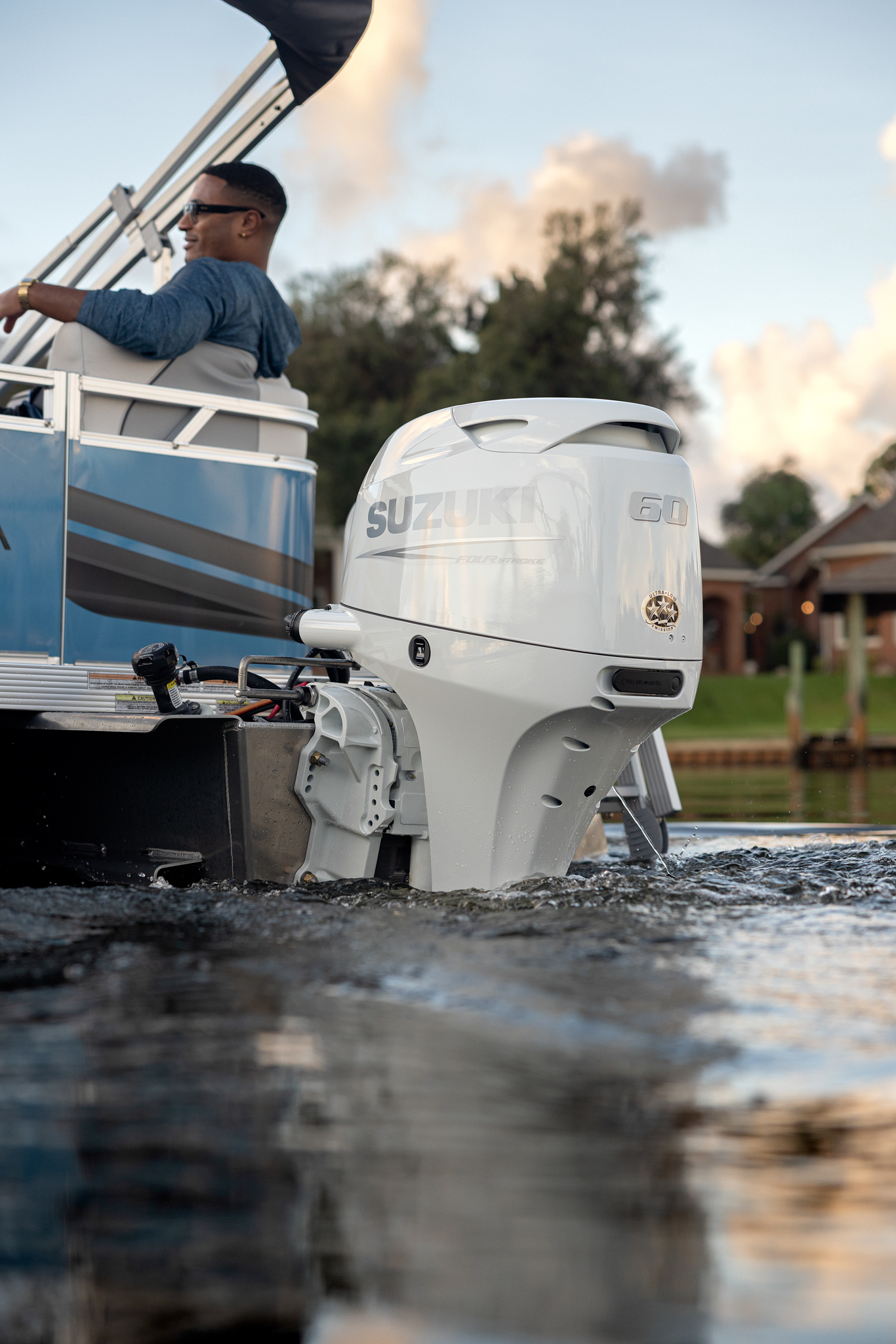
Bolt an OEM propeller onto your outboard — it goes where it’s supposed to go. First time, every time. The shaft bore matches. The spline count matches. The rotation direction matches. No trial and error. No shims. No “close enough.” It’s plug-and-play because engineers built it for your specific motor, not a broad category of motors.
Aftermarket propellers take a different approach. They’re built to work across multiple makes and models. That means they fit most setups well — and leave a few setups with loose tolerances. That’s the tradeoff you accept. On a simple swap, you won’t notice it. On a more complex install, you might lose an afternoon figuring it out.
Where this matters most:
-
Active warranty coverage — Incompatible parts start disputes. OEM cuts that argument off before it starts.
-
Safety-critical systems — Steering, fuel delivery, power transmission: these have zero room for “close enough.”
-
Non-expert installs — Technicians see first-time fit on OEM parts. Aftermarket adds extra variables, and those variables stack up fast.
The result is predictable performance and fewer repeat failures. You pay more upfront. You spend less time troubleshooting later.
For high-stakes installs, that trade is an easy call.
Performance Showdown: Can Aftermarket Propellers Match or Beat OEM?
The short answer is yes. In some cases, aftermarket propellers don’t just match OEM performance — they beat it.
That’s not marketing copy. Real on-water testing backs this up, as long as you’re comparing quality-built products.
VIF Marine’s internal testing confirms what experienced captains have long suspected. A well-built aftermarket boat propeller produces output you can’t tell apart from OEM. The performance gap closes fast with tight manufacturing tolerances — correct pitch, correct diameter, proper balance, right materials. Those four things matter more than the brand on the box.
Where Blade Count Changes the Equation
Aftermarket has one clear structural edge over OEM: configuration options.
OEM propellers lock you into what the engine manufacturer specifies for your model. Aftermarket opens up the full range.
Here’s how blade count affects real-world propeller thrust efficiency:
|
Blade Count |
Best For |
Performance Outcome |
|---|---|---|
|
Cruising, top-end speed |
Best overall speed, lower drag |
|
|
4-blade |
Acceleration, heavy loads |
Higher hole-shot, more responsive handling |
Most outboard motor propeller setups leave the factory with a 3-blade prop. That’s a reasonable default for general use. Run a loaded fishing boat or punch hard out of a no-wake zone on a regular basis, though, and a 4-blade aftermarket prop gives you noticeably better acceleration response. Your OEM spec was never built with that use case in mind.
The Performance Gap in Real Numbers
Testing data shows the aftermarket speed advantage at +0.3–0.6 m/s (~4%) over OEM equivalents in high-output conditions. Four-blade configurations deliver a clear improvement in hole-shot response. On propeller cavitation — one of the biggest silent killers of boat engine performance — a well-vented aftermarket prop holds its own against OEM designs.
The catch stays the same throughout this whole comparison: which aftermarket prop you choose. A premium brand built to ±0.1-inch pitch tolerance delivers on those numbers. A cut-rate replica introduces vibration, imbalance, and slippage that wipes out every advantage on the spec sheet.
For marine propeller materials, stainless steel aftermarket options with chromium content above 16% hold up under sustained high-RPM load just as well as stainless steel propellers from OEM suppliers. Aluminum boat propellers in the aftermarket tier handle lighter recreational use without any trouble — and they cost far less to repair or replace after a strike.
Bottom line: performance-focused buyers don’t have to treat aftermarket as a compromise. It’s a solid path forward — and sometimes the smarter one.
Warranty Risks: Will an Aftermarket Propeller Void Your Engine Warranty?
Federal law is on your side here — and most boat owners don’t know that.
The Magnuson-Moss Warranty Act (1970) is clear on this: a manufacturer cannot void your entire engine warranty just because you installed an aftermarket part. They must prove the aftermarket boat propeller caused the failure. The burden of proof falls on them, not you.
That shifts the conversation in your favor.
Mercury follows this standard. They can deny a specific claim if your prop installation caused the damage — but your full warranty stays intact. Yamaha lets owners handle their own maintenance without losing coverage. The work just needs to be done right. Warranty repairs, though, must go through a certified Yamaha dealer.
Where Real Risk Lives
The grey zones matter. Got a modified engine — changed RPM limits, horsepower upgrades, crankshaft alterations? An aftermarket propeller gets into risky territory fast. McCauley’s guidelines are direct on this: non-OEM props on modified engines need prior written approval. Skip that step, and warranty protection disappears.
Protect yourself with three steps:
-
Keep installation receipts and document proper fitment
-
Route all warranty claims through an authorized dealer
-
On modified engines, stick with OEM
Stock setup, quality aftermarket prop, clean paperwork — your coverage holds.
Which Is Better for Your Situation: A Scenario-Based Decision Guide
The right propeller isn’t universal. It’s the one that fits your actual situation.
Run through the scenarios below. Find yours. The answer becomes much clearer.
You’re a Recreational Boater on a Budget
Weekend lake trips. Light fishing. Nothing aggressive. This is the best use case for aftermarket boat propellers.
A top aftermarket Aluminum boat propeller from Turning Point or costs 40–55% less than OEM. Performance difference on the water? Barely noticeable. Pick a brand that publishes pitch and diameter tolerances. Confirm the hub fits your outboard motor propeller shaft specs. You’re done.
Go aftermarket. No hesitation.
You’re Still Under Engine Warranty
This is where things shift. Not by much — the Magnuson-Moss Act protects you — but the risk isn’t zero either.
Stock engine with a documented install? A quality aftermarket prop won’t affect your coverage. Modified engine? Stop there. The warranty exposure is real. Go OEM until the warranty period closes.
You Run a High-Performance or Commercial Boat
High-RPM loads. Sustained output. Heavy use cycles. Stainless steel propeller specs matter here, and so does consistency. OEM tolerances are verified. You know what you’re getting — and your boat engine performance depends on that certainty.
Go OEM. The price premium is insurance.
You’re Upgrading for Better Performance
This is aftermarket’s strongest case. A 4-blade aftermarket prop delivers a better hole-shot and faster acceleration than a stock 3-blade OEM setup. You can measure the difference. Heavy loads or frequent low-speed launches? The extra configuration flexibility alone makes the switch worth it.
Go aftermarket — and choose stainless for longevity.
The pattern holds: budget recreation and performance upgrades favor aftermarket. Active warranties and high-output commercial use favor OEM. Everything else falls somewhere in between — and now you have the map to read it.
How to Choose the Right Boat Propeller: Specs Checklist Before You Buy
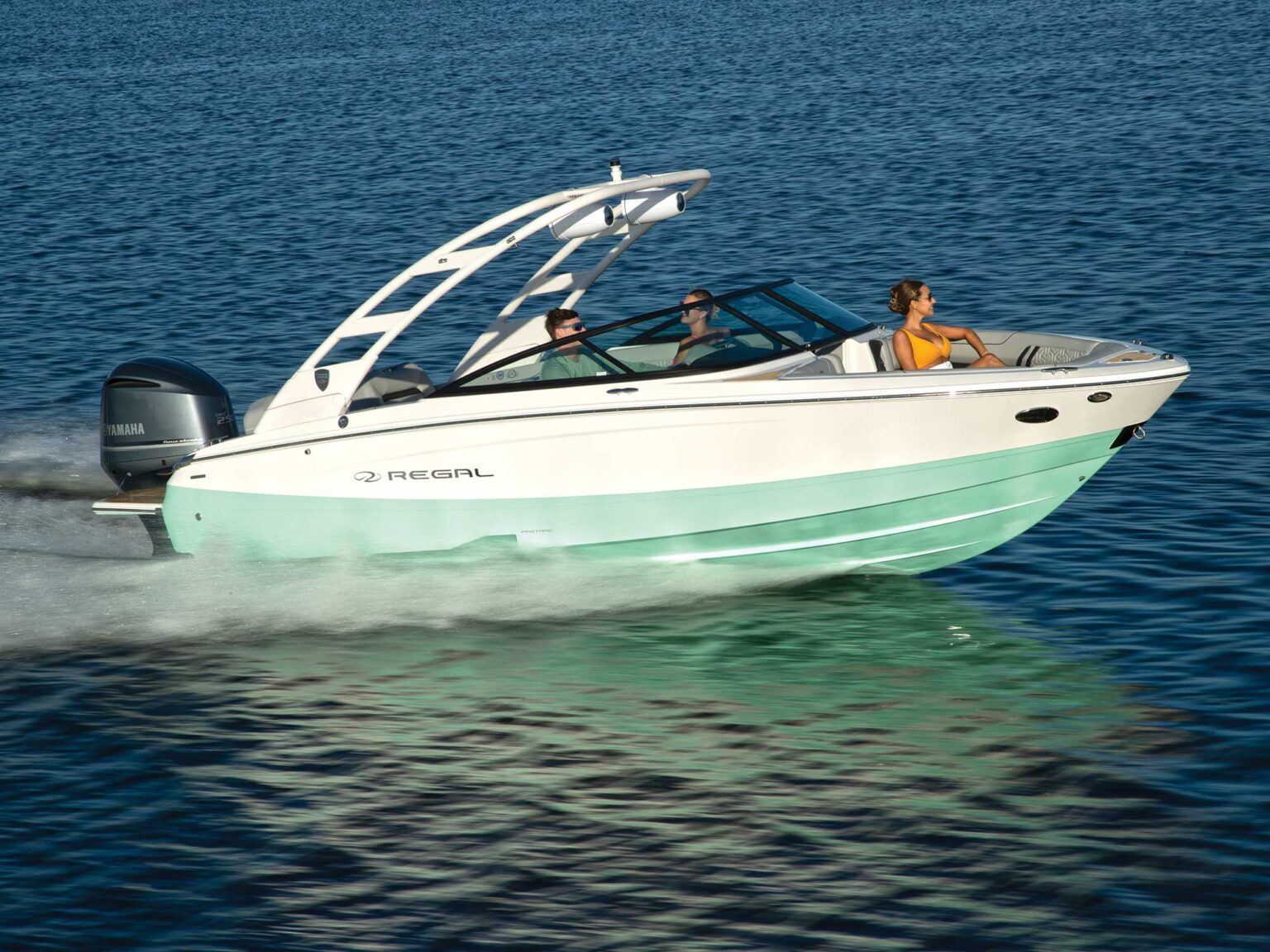
Numbers stamped on your propeller hub tell the whole story — once you know how to read them.
That format (e.g., 14.5 x 19) means diameter × pitch. Diameter is the circle your blade tips trace. Pitch is how far the prop moves forward per rotation. A 19-pitch prop travels 19 inches forward each revolution. That’s the design target — real-world distance varies with slip.
Pitch is your tuning lever. Every 1-inch change shifts your WOT RPM by 150–200. Too low, your engine over-revs. Too high, it lugs. Aim for the middle of your manufacturer’s RPM band — 5,000–5,500 RPM for 2-strokes, 5,000–6,000 for 4-strokes under real load.
Quick pitch calculation: Test WOT with a tachometer. Running 800 RPM above target? Do this: 800 ÷ 200 = 4. Drop 4 inches of pitch.
Blade count and material round out the decision:
-
3-blade — better top-end speed, solid for general use
-
4-blade — faster planing, handles rougher water, runs ~50–100 RPM less at the same pitch
-
Aluminum — affordable, easy to repair, slight flex under load
-
Stainless steel — 2–4x more durable, stiffer blades, higher efficiency, harder to fix
Also check rotation direction. Single engines run right-hand (R). Dual setups need counter-rotating pairs — one left, one right.
Match these specs to your actual load conditions — not ideal ones.
FAQ: Most Common Questions About OEM vs Aftermarket Propellers
These questions come up all the time. Here are straight answers.
Does OEM guarantee better performance than aftermarket?
No, not by default. Top-tier aftermarket brands hit factory RPM specs within ±50 RPM at WOT. Performance gaps show up with cut-rate replicas — not quality aftermarket brands.
Will an aftermarket prop void my engine warranty?
The Magnuson-Moss Act protects you. Manufacturers must prove the aftermarket part caused the damage — that burden is on them, not you. Run a stock engine, use a quality prop, keep clean paperwork. Your coverage holds.
How much cheaper is aftermarket, really?
Aluminum props run 30–40% less than OEM. Stainless steel saves 20–50%. On a quality brand, that’s real money back in your pocket — with no real drop in performance.
Which aftermarket brands match OEM quality?
Check the material stamp first. Aluminum should read 6061-T6. Stainless should be 17-4 PH or 316L — hardness above 30 Rockwell C. Turning Point and Sierra hit those marks on a regular basis. Those are solid starting points.
Can I repair a dented prop instead of replacing it?
It depends on the damage. Repair is fine if:
– The dent is under 10% of blade width
– No cracks go deeper than 1/16 inch
– Pitch variance stays under 2%
Post-repair RPM drop under 100 at WOT? You’re good to go. On outboards above 30HP where the prop handles more than 50% of thrust — replace it. That’s not a spot to cut corners.
Do aftermarket props fit without modification?
Top brands hit a 90%+ fit rate. OEM sits at 100%. Check spline count and bore diameter before you order. That one step saves a lot of hassle.
Conclusion
The OEM-versus-aftermarket debate has no single winner. The right answer depends on your situation.
Engine under warranty? Or running a high-performance build where precision matters most? Go with OEM — it’s the safer choice. For most boat owners, though, a quality aftermarket boat propeller from a trusted manufacturer does the job well. Recreational anglers, weekend cruisers, budget-conscious upgraders — you’ll get what you need at a much lower price.
The real skill isn’t picking a side. It’s reading the specs, asking the right questions, and spotting a well-made propeller. That’s what this guide was built to help you do.
Now it’s your turn. Grab your engine specs, check the scenario guide above, and make the call with confidence.
The water doesn’t wait — and neither should you.